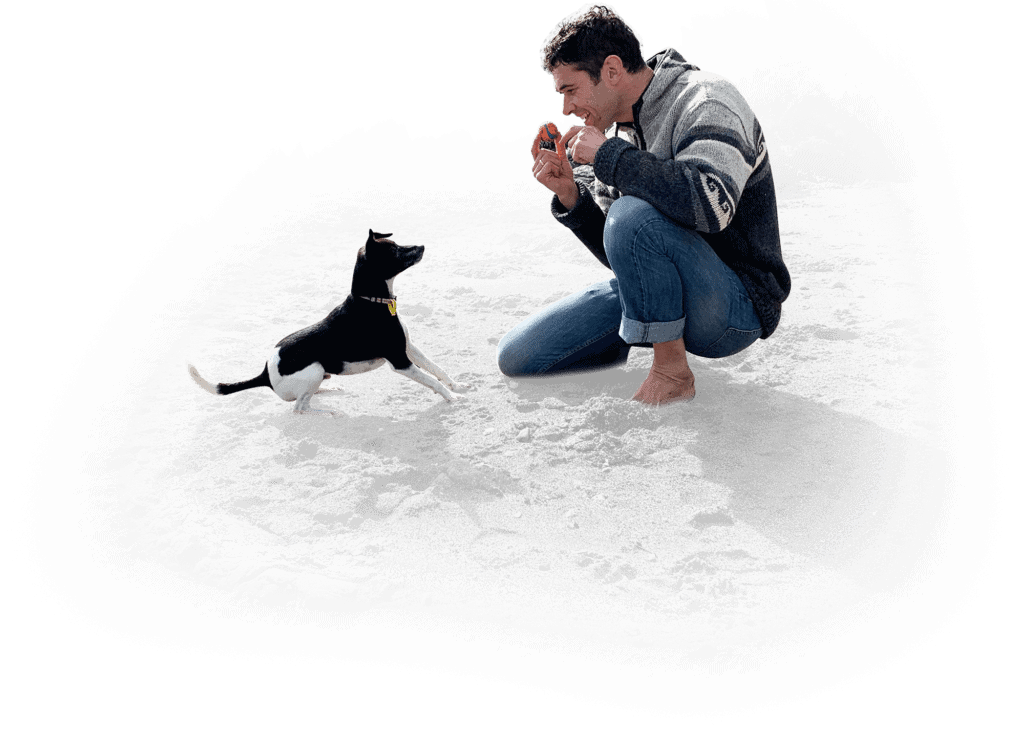
The answer to the question on how to socialize a reactive rescue dog is to understand this: your rescue cannot comfortably interact with other dogs and people because they are reacting at a survival level. In your rescue dog’s mind, they’re still the ones in charge of their safety and yours. They think they’re the leader, not you. And because they feel responsible for themselves, and the entire household, every attempt at interaction is met with a lunge, a bark, or a growl.
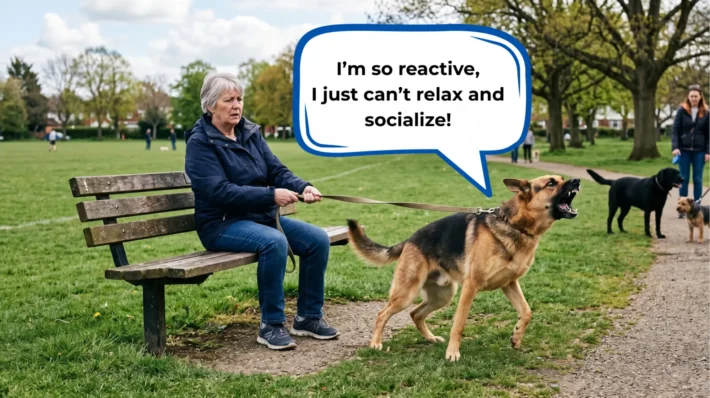
Seeing your rescue dog turn into an anxious barker every time you’re at the dog park or at an event is extremely heartbreaking. All you want is for your new dog to experience a great time; but it seems close to impossible. Fortunately, there is wonderful news: once you understand how your furry companion views the world, you can easily become the calm anchor they need to feel safe.
My goal is to teach you how to show your dog that they don’t need to be overprotective all the time, nor do they need to panic. In this blog, I’m going to talk about understanding rescue dog behavior and mastering how to socialize a reactive rescue dog so you can enjoy peaceful, stress-free days together.
A Quick Note on Safety: Please don’t try this alone if your dog has a history of biting. Reaching out to a professional trainer will ensure everyone stays fully supported and safe if you are dealing with severe rescue dog aggression.
Key Takeaways
- Understanding rescue dog reactivity almost always comes down to one fundamental truth: your pup genuinely believes they are running the show. Because they love you fiercely, this creates a heavy responsibility to protect the family. Such an exhausting, massive burden is simply too much for any canine to shoulder.
- Vocal outbursts at other dogs on walks are not the actual core problem. Instead, the noise is just a classic sign of a deeply stressed mind. When you finally address the root anxiety regarding who makes the decisions, the noise naturally fades away.
- Learning how to socialize a reactive rescue dog involves showing your furry companion that you are the steady anchor. We achieve this by establishing the right dynamic inside the home first, using the Dog Calming Code™.
The Story of Bingo: Transforming a Reactive Rescue Dog
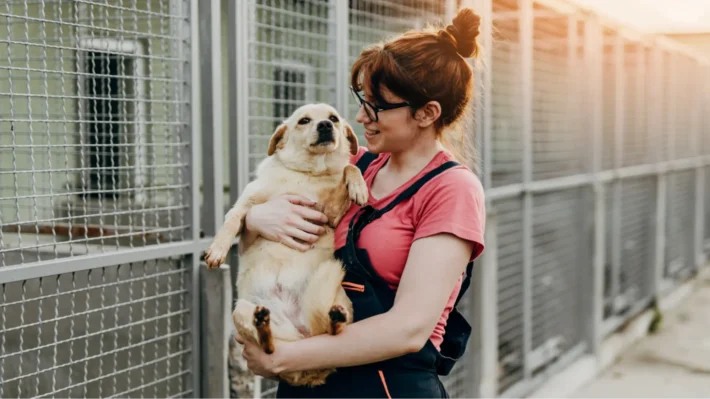
Let’s talk about a lovely rescue pup named Bingo. This sweet boy arrived at his new home with a completely unknown history, a hair-trigger bark, and zero interest in peacefully passing other dogs.
His owners were wonderful, well-meaning people who tried absolutely everything they thought was right. They initially kept him far away from other animals to prevent trouble. Next, they tried distracting him with high-value treats. They even resorted to a firm, commanding “no,” but nothing stuck. The frantic lunging kept happening, and every single stroll became something they truly started to dread.
When these lovely people finally came to me, desperation had set in, and they were seriously considering returning Bingo to the shelter. “We love him, Dan, but we’re afraid that no matter what we do, he’ll always be reactive,” they shared through tears. I completely understood their fear and frustration, because so many owners spend thousands of dollars on training that doesn’t change a single thing.
What Bingo's owners didn't realize back then was the core piece of the puzzle: their dog wasn't trying to be difficult or stubborn. He was simply doing what he genuinely believed was his job. Since nobody had stepped up to tell him otherwise, the poor guy took on the massive burden of protecting the pack alone.
Our transformation process started the moment I asked the owners to step back and simply observe my interactions with Bingo. Step one involved applying pure canine psychology to re-establish the baseline rules of communication. Every single movement I made silently conveyed to Bingo, “No, you’re not in charge here; I am.”
When he barked frantically to demand my attention, my immediate response was to calmly look away and ignore him completely. Showing him that noise yields zero results is always the crucial first hurdle.
Next, we moved the process outside to the sidewalk where his panic usually spiked. Walking together, I made sure my posture was entirely relaxed, using my low energy to assure him that I would handle any oncoming situation. I meticulously followed all Five Golden Rules of leadership, systematically demonstrating through my daily actions that the executive role he was carrying wasn’t meant for him.
Seeing this consistent guidance, Bingo slowly began to realize he could finally relax from worrying and stressing about safety. The owners then took over the lead, shifting their focus entirely away from the noise and placing it squarely on who was directing the pack.
Once Bingo felt, deep down, that the safety decisions belonged entirely to his humans, his whole posture shifted. Growth didn't happen overnight, of course. Yet steadily, walk by walk, the frantic energy dropped and the barking reduced. Eventually, Bingo could calmly stroll past other dogs without the world ending.
His journey is incredibly common, and it remains one of the most fulfilling transformations I ever get to see.
Root Causes Behind Rescue Dog Reactivity and Rescue Dog Aggression
Here is the honest truth most dog owners completely miss: your rescue dog isn't trying to be bad; they are just desperately trying to be the boss because they think nobody else is doing the job.
Owners who take in rescue dogs are also dealing with the hidden reality of invisible baggage, where the dog arrives carrying past trauma, inconsistent handling, or a total lack of structure from their previous life.
Fortunately, the most hopeful thing about rescue dog reactivity is that it has almost nothing to do with what happened years ago. Instead, the behavior is entirely about the leadership dynamic happening right now, in this exact moment, inside your home.
Picture it from their perspective: when a dog doesn't perceive a calm, clear leader in charge, they will instinctively fill that empty seat themselves to keep the pack alive. Survival instincts demand that someone calls the shots.
Consequently, they start scanning the horizon for threats, making frantic executive choices, and taking on the massive, exhausting job of protecting you. Such immense pressure on an already fragile animal creates an absolutely enormous amount of anxiety.
What Triggers a Reactive Rescue Dog?
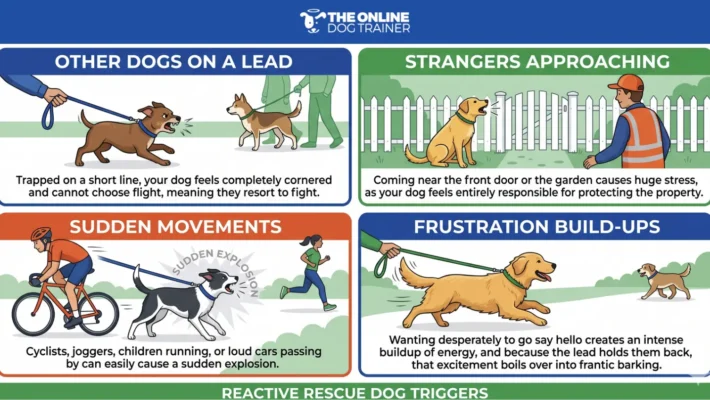
If we look closely at a dog's world, the triggers are just small sparks, while the fuel underneath them is always the leadership gap.
We see these common triggers everywhere:
- Other dogs on a lead: Trapped on a short line, your dog feels completely cornered and cannot choose flight, meaning they resort to fight.
- Strangers approaching: Coming near the front door or the garden causes huge stress, as your dog feels entirely responsible for protecting the property.
- Sudden movements: Cyclists, joggers, children running, or loud cars passing by can easily cause a sudden explosion.
- Frustration build ups: Wanting desperately to go say hello creates an intense buildup of energy, and because the lead holds them back, that excitement boils over into frantic barking.
Many dogs actually stop barking the very second they finally reach the other animal or person, and get to have a quick sniff. That tells us everything we need to know. The behavior isn't necessarily pure hatred; often, it’s just unadulterated frustration and overexcitement. They just want to get there. Once you recognize which energy you are dealing with, it changes how you respond.
Step-by-Step Process: How to Socialize a Reactive Rescue Dog with Guests
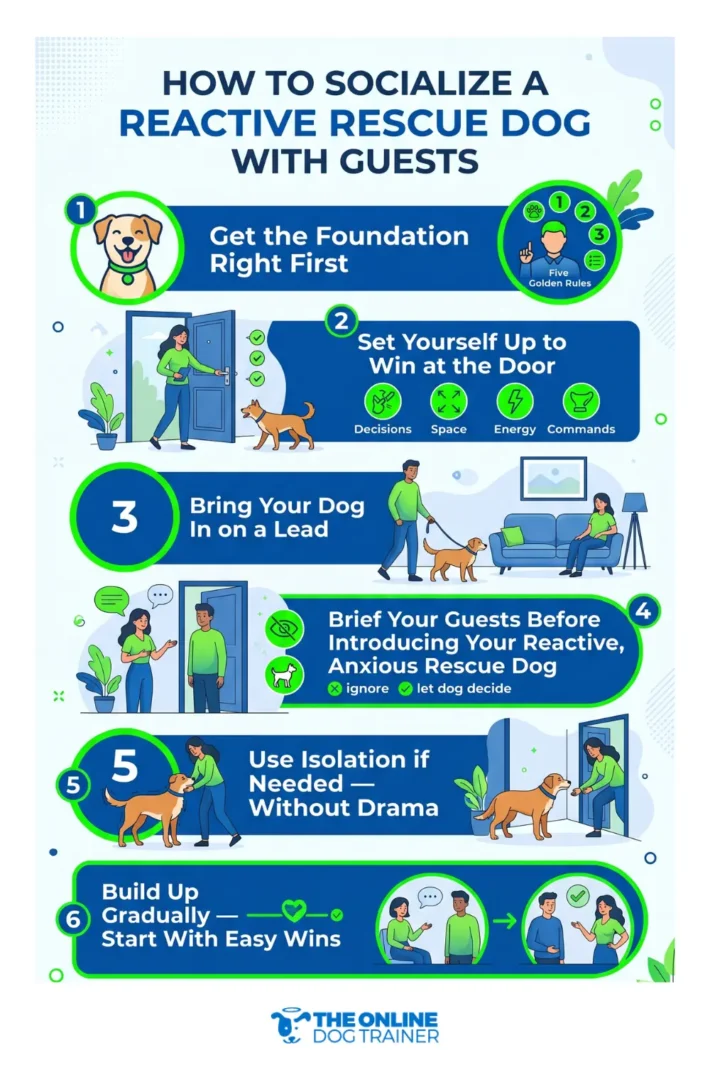
Step 1: Get the Foundation Right First
This essential step must happen long before any visitor even approaches your front door. None of the actual training techniques will hold together without it.
When your dog genuinely believes they are the pack leader, every single person who steps inside your home looks like a potential threat to manage. Taking control of the entryway is simply their job, as far as they are concerned. Consequently, the frantic barking, and lunging at the door isn't actually malice or bad behavior; rather, it is just your dog doing what they honestly believe they are supposed to do.
Implementing the Five Golden Rules found in the Dog Calming Code™ completely shifts this stressful dynamic. Once your beautiful dog understands that you are the one in charge, they can finally transfer the protector role to you. They will happily look at you, notice that your posture is relaxed, and take that peace as a clear signal that everything is perfectly fine.
Please don't skip this critical foundation just to jump straight into the practical exercises. Specific techniques only work because the underlying relationship has been repaired first. Without establishing your gentle leadership, you are merely managing stressful symptoms rather than truly healing the problem.
Step 2: Set Yourself Up to Win at the Door
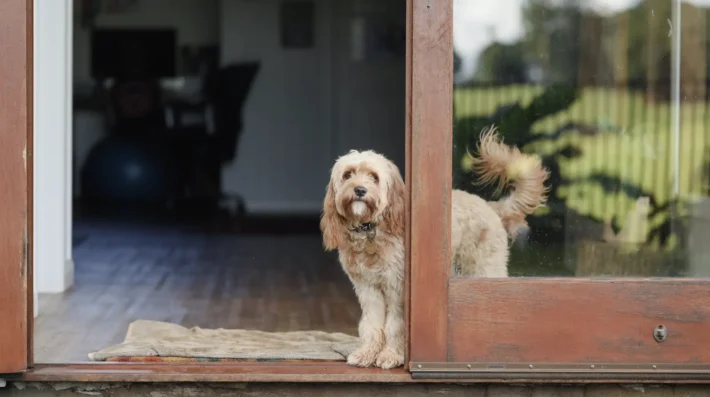
Make The Decisions Before Your Dog Beats You To It
When a dog is in a state of high alert, their brain is flooded with stress hormones, placing them squarely in a reactive state.
If you step in before the door even opens, you are intercepting that spiral. Psychologically, you are taking the burden of the unknown off their shoulders. By making the executive decision on how to handle the situation before it unfolds, you allow the dog's brain to shift from “I must control this threat” to “My leader has already assessed this sound.” It completely changes their mental state from active problem-solver to a passive observer.
Taking Up Physical Space Equals Asserting Psychological Authority
In the canine world, space is the ultimate currency. Whoever controls, claims, or manages the physical space holds the authority in that moment.
- When a dog rushes past you to get to the door, they are physically claiming the territory and the right to meet the “intruder” first.
- By calmly changing the spatial dynamic—whether that means placing a physical boundary between them and the door, or body-blocking and claiming the space directly in front of them—you are communicating in their native language. You are saying, “This boundary is mine to manage, not yours.” The moment they accept that you own the space, their psychological need to defend it completely evaporates.
Keep Your Energy In Check
Dogs are absolute masters at reading our physiological state. They monitor our heart rate, our breathing, and the hidden tension in our muscles. If an owner feels anxious, worried, or tense about how the dog will react when the doorbell rings, the dog perceives that tension instantly.
However, they misinterpret it! The dog doesn't realize you are worried about their behavior; they think you are terrified of the doorbell. By setting up a scenario where you can keep your own energy completely calm, grounded, and relaxed, you give your dog a reassuring mirror. They look at you, see total peace, and their own nervous system naturally begins to de-escalate.
Don’t Overload Your Dog With Commands
Asking a dog to perform a complex mental task—like sitting and remaining still—while their brain is experiencing a level-ten emotional hijack is a psychological mismatch. When a dog is highly reactive, the emotional brain completely overpowers the thinking brain. Expecting them to process a command in that state only creates a cognitive overload, leading to deep frustration for both of you. True calm must be established within the nervous system first, before the dog’s brain is even capable of processing an intentional, stationary task.
Step 3: Bring Your Dog In on a Lead
Once your guest is inside and comfortably seated, it's time to bring your dog into the room… but calmly, and on a lead.
Please don't let them rush in freely. That's a mistake most owners make, and I completely understand why, because it feels natural to just let your dog be a dog. But here's the thing: you want to actively manage the emotional energy in the room from the very first second.
Start far away from your visitor. Give your dog space to simply sit, breathe, and take in what's happening around them. Don't rush this part.
Here's something I've seen in my years of working with reactive dogs that still moves me. Sometimes, the most powerful thing that happens during an introduction isn't a command, a treat, or a training technique. It's just time. I've sat with owners, chatted for fifteen minutes, and watched a reactive dog slowly go from stiff and wired to soft and relaxed, all because nobody pushed them to do anything.
That's the beauty of letting your dog process at their own pace.
If your dog stays relaxed and you feel confident, you can gently let the lead drop to the floor. You're not handing over control, you're just removing visible tension from the line. Keep it loose so you can step on it quickly if you need to, without turning it into a confrontation.
Step 4: Brief Your Guests Before Introducing Your Reactive, Anxious Rescue Dog
I cannot stress this enough: this step changes everything, and it's the one most owners skip entirely.
This is for your guest’s safety, and your peace of mind.
First of all, you must tell your guests about your dog and inform them they may take a while warming up to strangers.
Second, tell your guest they must ignore your dog. A well-meaning, dog-loving guest is often the biggest setback for a reactive dog.
Why? Because they push too hard. They call the dog over. They crouch down. They reach out. And in your dog's mind, that behavior from a stranger reads as pressure, not kindness. It doesn't feel like a friendly hello; it feels like a challenge from someone they don't yet trust. And that sets your progress back every single time.
So before your guest even steps through the door, brief them clearly: “Please ignore my dog completely. Let them come to you in their own time.”
A brilliant little trick I love: ask your guest to hold a high-value treat in their hand without actively offering it. Just hold it. Let your dog sniff, investigate, and make the choice entirely on their own terms. The moment your dog chooses to walk away, that's your cue to call them over softly, just once, and reward them for making a great decision.
That's how trust gets built. Quietly, gently, on the dog's terms.
Step 5: Use Isolation if Needed — Without Drama
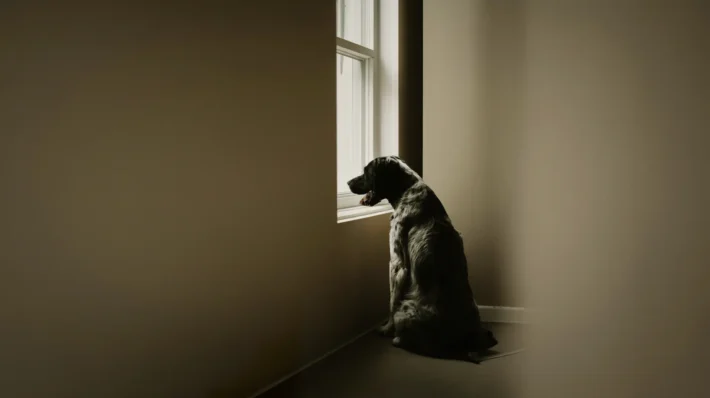
If your dog barks, growls, or starts escalating at any point, remove them from the room. Calmly. Quietly. No shouting, no fussing, no slamming doors.
Here's why this matters so much from a leadership perspective.
Reacting with frustration or panic when your dog loses the plot only adds more emotional fuel to an already overloaded situation. Your dog is already struggling; they don't need your anxiety stacked on top of theirs. Walk them gently into another space, close the door without drama, and let them settle.
Only bring them back out once they are genuinely quiet and relaxed. Even ten or twenty seconds of calm silence is a great place to start.
The message your dog takes from this is incredibly clear: calm behavior means you get to be part of the pack. Reactive behavior means you lose access to it.
That's not punishment. That's leadership.
And don't be discouraged if you need to repeat this several times in one visit. Some dogs need multiple rounds before their mind truly quiets down. That is completely normal, especially if you're working through the early stages with a rescue dog.
Needing multiple attempts is not failure. It's just the process.
Step 6: Build Up Gradually — Start With Easy Wins
I say this all the time, and I mean it every single time: start small, and start easy.
Don't test your dog against your loudest, most energetic friends first. That's setting everyone up to fail. Start with calm, quiet guests who are easy to brief and who won't react dramatically if your dog tracks them from across the room. Build from there, slowly and deliberately.
Here's a truth I want you to hold onto…
You will always get to your goal faster by going slowly than by pushing your dog over their emotional edge.
Every easy win builds your dog's confidence. Every time they successfully share a space with a guest without going over the threshold, they learn that strangers are not a threat. That learning compounds over time. It's remarkable to watch.
The dog that once lunged frantically at the sound of a doorbell can become the dog that sniffs a hand, wanders off, and falls asleep in the corner while guests are still visiting. I've seen it happen more times than I can count, and every single time it happens through patience, consistency, and the right foundation of leadership.
You've got this. And more importantly, your dog is counting on you.
What NOT To Do When Socializing a Reactive Rescue Dog
Before I tell you what works, I want to talk about what doesn't.
Because here's the thing: most of the mistakes I see owners make when socializing a reactive rescue dog come from a really good place. They love their dog. They want their dog to be happy. They want things to move quickly.
And that desire to help, when it isn't channeled in the right direction, can actually make things significantly worse.
So let's go through the most common ones.
#1: Don't Force the Introduction
This is the big one.
Pushing your dog toward a person they're not ready to meet, physically moving them closer, or allowing a guest to reach out and initiate contact before your dog is ready, that isn't socialization. That's pressure. And to a reactive rescue dog who is already carrying fear and anxiety, pressure reads as a threat.
I've seen well-meaning owners hold their dog in place while a visitor tries to pet them, thinking that if the dog just experiences it, they'll realize there's nothing to be scared of.
That's not how it works.
What your dog learns from that experience isn't “strangers are safe.” What they learn is “I had no way out, and no one helped me.” That erodes trust, and trust is the very foundation we're trying to build. Let every introduction happen on your dog's terms, at your dog's pace.
#2: Don't Let Well-Meaning Guests Do Whatever They Want
I say this with complete kindness, because I know how hard it is to manage enthusiastic visitors.
But the guest who loudly announces they “love dogs” and immediately crouches down, calls your dog over, and tries to stroke their ears? That guest is one of the biggest challenges you will face in this process.
Their intentions are wonderful. Their impact, however, can set your dog back significantly.
To a reactive rescue dog, that kind of pushy, forward energy from a stranger doesn't feel like affection. It feels like a challenge. It feels like something to defend against.
Brief your guests before they come in through the door. Give them one simple instruction: ignore the dog completely. No eye contact, no talking to them, no reaching out. Let the dog come to them entirely in their own time.
#3: Don't Flood Their Senses All at Once

Bringing a reactive rescue dog straight into a room full of strangers, loud conversation, and unfamiliar smells is not socialization.
That is what we call trigger stacking, and it is a recipe for a reactive meltdown.
Think of your dog's emotional capacity like a bucket. Every stressor they encounter throughout the day adds a little more water to that bucket. A car journey. An unfamiliar smell on the walk. A noise outside the window. By the time your guest arrives, that bucket might already be close to full.
One more thing tips it over.
Start with one calm, quiet visitor in a familiar space. Give your dog room to breathe and process. Build from there, slowly and deliberately. You will always reach your goal faster by going slowly.
#4: Don't Punish a Reactive Response
If your dog growls, barks, or loses their composure during an introduction, the instinct for many owners is to raise their voice, physically correct the dog, or show frustration.
Please don't.
Here's why this matters so much.
Punishing a fearful dog for showing fear doesn't remove the fear. It just teaches them that expressing fear has consequences too, so they suppress the warning signals. A dog who stops growling because they've been punished for it isn't a calmer dog. They're a dog who has lost their ability to communicate that they're struggling, and that is genuinely dangerous.
If your dog reacts, calmly and quietly remove them from the situation. No drama, no frustration, no raised voices. Just a calm, gentle exit. That's leadership.
#5: Don't Rely Solely on Treats to Get Through It
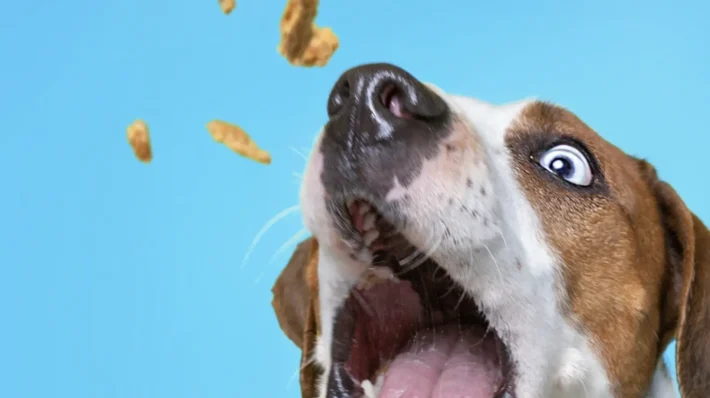
Treats are a useful tool. I'm not against them at all.
But I want to be honest with you about their limitations, because relying on food alone to carry you through the socialization process with a reactive rescue dog will only get you so far. When a dog is truly over the threshold, when they're past the point of being able to think clearly, no doggy treat in the world is interesting enough to compete with what their nervous system is screaming at them.
Food works beautifully below the threshold. But if your dog won't take the treat, that's a signal. It means they're already too far gone emotionally, and you need to create more distance, not wave a better biscuit at them.
The real work happens at the leadership level. When your dog genuinely trusts that you are in charge, that you see the danger, that you are handling it, they can finally begin to exhale.
#6: Don't Reward the Wrong Moments
This one is subtle, but it matters enormously.
If your dog is barking, lunging, or showing reactive behavior, and you immediately crouch down, speak softly to them, and stroke them to calm them down… you are not calming them. You are rewarding them.
In your dog's mind, that physical affection and attention in that moment confirms that their reaction was the right call. “I went crazy, and my owner immediately came to comfort me. I must have been right to react.”
Instead, save your affection and your praise for the moments of calm. When your dog chooses to look away from the trigger, when they choose to settle, when they take a breath and let their shoulders drop, that is the moment to softly, quietly reward them.
Calm behavior gets the good stuff. That's the message we're building toward.
#7: Don't Skip the Foundation and Jump Straight to Socialization
This is perhaps the most important thing I want to leave you with.
Socialization is not the starting point. It's a milestone you work toward.
If your dog doesn't already have a foundation of trust and leadership at home, if they don't feel that you are the calm, capable decision-maker who has everything under control, then introducing them to new people will always be an uphill battle.
Your dog needs to know, deep down, that someone trustworthy is in charge. That the world isn't entirely their responsibility to monitor and protect. That they can stand down.
That shift doesn't come from socialization practice alone. It comes from the relationship you build with your dog every single day, in every single interaction.
Get that foundation right first, and you will be amazed at how much easier everything else becomes.
How to Socialize Reactive Rescue Dogs With Other Dogs
Leadership Has to Come First
You can expose your reactive rescue dog to a hundred different dogs. Classes, dog parks, carefully managed introductions. But if your dog still believes they are in charge of the pack, none of those encounters will truly settle them.
Dogs are wired for structure. When a dog genuinely trusts that someone calm and capable is making the big decisions, they don't need to stay on constant alert. They can finally stand down.
Get the leadership right at home first. Then socialisation has something solid to build on.
Watch Out For Your Energy. Your Dog Feels It.
When you approach another dog feeling tense or anxious, your dog has already felt it before the other dog is even in sight.
Your tension confirms there is something to worry about. Your calm confirms there isn't.
This is why the same dog can behave completely differently depending on who is holding the lead. Your internal state matters just as much as anything happening around you. Real socialization means showing up genuinely calm, not just looking it. Dogs can always tell the difference.
Always Have A Safe Distance for Socialization
Forcing proximity creates conflict.
A reactive rescue dog pushed into close contact before they're ready hasn't had the chance to settle or feel safe. And a dog that doesn't feel safe cannot think clearly. Distance gives their nervous system room to regulate. From a comfortable distance, your dog can observe, process, and gradually learn that another dog nearby predicts… nothing bad. That is how trust is built. Not through flooding, but through quiet, repeated proof that the world is safe.
Take Your Time. Don’t Rush The Interaction.
Every calm encounter quietly tells your dog: “Other dogs are not a threat.” Every overwhelmed, over-threshold encounter does the exact opposite.
The pace you set determines which direction that balance moves.
Patience is not passive. It is the most active, most effective thing you can do for a dog who is still learning to trust the world again.
How The Dog Calming Code™ Helps Change Reactive Rescue Dogs
Let me ask you something.
If you've tried everything… the treats, the training classes, the management techniques, the special harnesses… and your rescue dog is still reactive, still anxious, still struggling every single time a stranger walks through the door or a dog appears on the other side of the street…
Have you ever stopped to ask why?
Not just “Why does my dog react to that trigger?” but the deeper question.
Why is my dog so wired up in the first place?
That's the question I built the Dog Calming Code™ to answer.
Most Approaches Are Treating the Symptom, Not the Cause
Here's the truth that most dog training programs won't tell you.
When a dog is reactive, the barking, the lunging, the growling, the spinning on the leash… those are not the problem. Those are the result of the problem. They're your dog's way of coping with something much deeper that is going on underneath the surface.
And that something deeper is this: your dog believes they are in charge. I know that might sound surprising. You might be thinking, “But Dan, my dog isn't dominant. They're scared.”
And you're right. They are scared.
But here's what most people miss. Fear and the belief that they're the leader aren't opposites. They go hand in hand.
Think about what it would feel like to be responsible for the safety of everyone around you, every single minute of every single day. To never be able to switch off. To always be scanning for threats, assessing danger, deciding whether to fight or flee.
That is exhausting. And that is exactly what your reactive rescue dog is experiencing. They're not reacting because they're bad. They're reacting because in their mind, it is their job to react. Nobody else is handling it. So they have to.
The Dog Calming Code™ Addresses the Root Cause
The Dog Calming Code™ works differently from standard training approaches because it doesn't start by trying to change your dog's behavior.
It starts by changing the dynamic between you and your dog.
Specifically, it helps you become the calm, capable, confident leader that your reactive rescue dog has been desperately looking for.
When your dog genuinely believes, at a deep level, that you are in charge… that you have assessed the situation… that you see the stranger, the dog, the bicycle, the loud noise… and you are calm… something remarkable happens.
Your dog can finally exhale.
They don't need to be on guard anymore. Because someone they trust is already handling it.
That shift, from your dog feeling responsible to your dog feeling safe, is what the Dog Calming Code™ is designed to create. And it is the shift that changes everything.
Why Rescue Dogs Especially Need The Dog Calming Code™ Approach
Rescue dogs come with a history you often don't know fully. Many of them have experienced inconsistency, instability, or even trauma at the hands of humans who were supposed to keep them safe.
That history means many rescue dogs arrived in your home already carrying a full bucket of stress and anxiety.
On top of that, the transition into a new home, new smells, new routines, new people, is itself a significant stressor. Even the most well-intentioned rescue owner can unknowingly add to that pressure by expecting too much too soon.
What a reactive rescue dog needs more than anything is not more training drills. It's not more exposure to triggers. It's not more treats being waved in front of their nose while they're over threshold and unable to think clearly.
What they need is a leader they can trust.
And that is precisely what the Dog Calming Code™ gives you the tools to become.
What Changes When You Apply The Dog Calming Code™
When owners apply the principles of the Dog Calming Code™ consistently with their rescue dogs, here is what begins to shift.
Your dog stops scanning. Because they trust that you are watching out for danger, they no longer feel the need to be constantly alert. Their nervous system begins to settle.
Your dog starts listening. A reactive dog that is over the threshold cannot hear you. But a dog that trusts your leadership can. Once that leadership is established, your dog's ability to focus on you, even around triggers, improves dramatically.
Your dog's threshold rises. The things that used to tip them over the edge begin to have less power. Not because the triggers have gone away, but because your dog is operating from a calmer baseline.
Your dog can finally rest. One of the most heartbreaking things about reactive dogs is how exhausted they are. Always on duty. Always watching. The Dog Calming Code™ gives them permission to stand down, and for rescue dogs who have never had that before, the change in them can be truly moving to witness.
Leadership Isn't About Being Harsh. It's About Being Trustworthy.
I want to be very clear about something, because leadership is sometimes misunderstood.
Becoming the leader your dog needs does not mean being forceful, aggressive, or domineering.
It means being consistent. Calm. Dependable. It means setting clear boundaries with kindness. It means responding to your dog's stress signals with quiet confidence rather than panic or frustration. It means showing your dog, in a language they understand, that the world is not their responsibility to manage.
That is the kind of leadership the Dog Calming Code™ teaches.
And it is the kind of leadership that reactive rescue dogs respond to more than anything else I have seen in over two decades of working with dogs.
The Dog Calming Code™ Helps Your Dog Interact Freely
The reactive rescue dog that can't go on walks, that hides when guests come over, that barks at shadows, that lunges at other dogs and leaves you dreading every outing…
That dog is not broken.
That dog is simply waiting for someone to step up and show them that it is safe to stand down.
The Dog Calming Code™ gives you the roadmap to become that person.
If you're ready to go deeper on this, I'd love to see you in our free reactivity web class, where I walk through exactly how these principles work in real life, with real dogs, including rescue dogs just like yours.
You've already shown you care by reading this far. Your dog is lucky to have you.
Now let's give them the one thing they need most.

~Doggy Dan 🙂