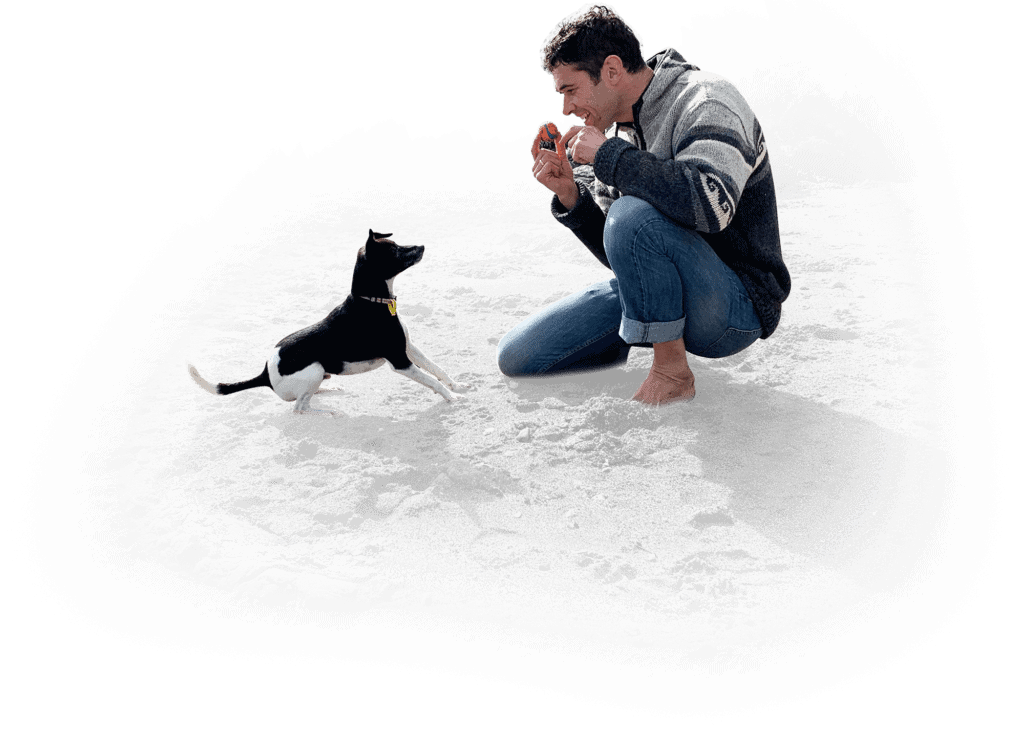
Socializing a reactive dog isn't about forced meet-and-greets but about teaching emotional neutrality. You don't throw your dog into the deep end at a dog park and cross your fingers. You start by stepping up as the calm, confident guide they need. When you take the pressure off your dog and manage the environment for them, the need to react begins to fade, opening the door to true, lasting calm.
Let me start by saying something most training articles won't say:
This is really hard. And it's okay that you're struggling.
You probably didn't picture this when you brought your dog home. You imagined leisurely walks, lazy afternoons at the park, your dog trotting happily up to another dog while you chatted with the owner.
Instead, you've got a dog who erupts the moment another animal appears on the horizon. You always get a heart full of embarrassment, guilt, and quiet dread every time you try to socialize your dog.
Now, you try cross the street before your dog even notices another one coming. You walk at dawn or after dark to avoid running into anyone. You've started saying no to the trail, the park, the friendly Labrador next door. You brace for the bark, the lunge, the moment everyone stares. And somewhere in the back of your mind, you've started wondering: Is my dog just… impossible?
They're not. I promise you they're not.
After working with over 125,000 dogs across 114 countries, I can tell you with complete confidence: a reactive dog is just a dog who hasn't yet felt safe enough to put their guard down.
And that is something we can absolutely change. When you build their confidence in you so that they can trust you as their leader, socializing becomes easier.
Today, this is what I’m going to talk about. Let’s dive in.
BRING BACK THE CALM TO YOUR REACTIVE DOG. JOIN THIS WEBINAR NOW.Key Takeaways
- Before introducing your dog to outside triggers, you must establish yourself as a calm, capable decision-maker in a low-pressure environment. Implementing structured routines at home communicates safety to your dog, removing their felt need to step up and control unpredictable situations outdoors.
- Progress is made in the quiet zone before a reaction happens. By catching early micro-signals (like lip-licking or subtle posturing) and keeping your dog far enough from triggers to remain calm, you teach their nervous system that other dogs do not require a defensive or aggressive response.
- Dogs constantly read human body language, breath, and leash tension. Projecting purposeful, unbothered composure (such as calmly turning away from an approaching trigger) signals to your dog that you have assessed the situation and have everything under control, giving them a safe harbor to disengage.
What Reactivity Actually Is (And What It Isn't)
Before we talk about how to socialize a reactive dog, we need to talk about what's actually happening inside your dog's mind because if you misread the cause, you'll apply the wrong solution every time.
Reactivity Is Not Aggression
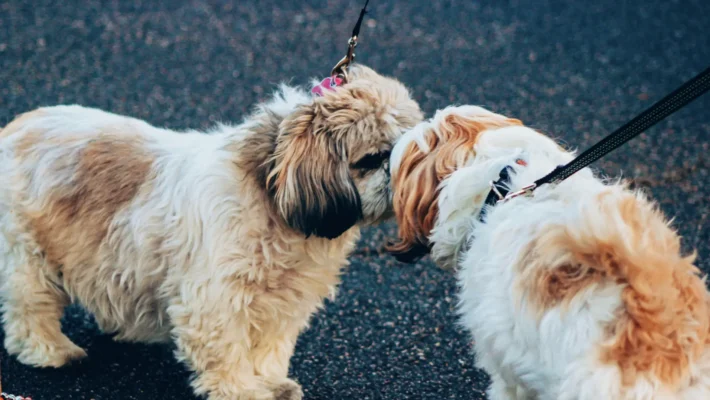
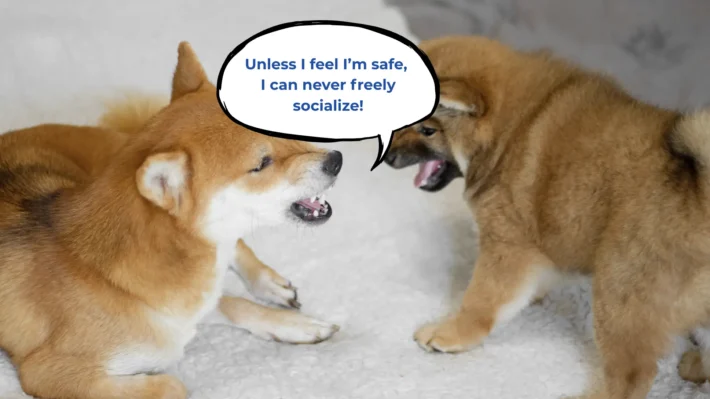
When your dog lunges and barks at another dog, it can look and feel aggressive. But in the vast majority of cases, it isn't.
Here's something I want you to hold onto: most reactive dogs are fearful, not dangerous. When they truly feel that someone can keep them safe, and when they genuinely believe there's nothing to be scared of, they settle. I've watched dogs who looked terrifying on a lead become completely calm once that underlying fear was addressed.
A reactive dog is not trying to start a fight. They're trying to end a situation they feel unsafe in. The barking, the lunging, the explosive display are almost always a distance-increasing behavior. They are saying, as loudly as they possibly can: “Stay away. I'm not okay with this.”
That distinction matters enormously because it changes everything about how you respond.
Reactivity Is Not Disobedience
When a reactive dog locks onto a trigger and stops responding to your commands, it's because their emotional brain has completely hijacked their thinking brain. The thinking part of the brain (AKA the amygdala) has triggered a full survival response. At that moment, your dog literally cannot process information or follow instructions.
This is why punishing reactivity always backfires. You cannot train your way out of fear.
Reactivity Is Not Simply a Lack of Socialization
I’ve known a lot of dog owners who try to solve socialization issues with more socialization activities. Some of them say, “My dog needs more exposure to dog parks. They need more playdates. If I just get them around other dogs enough, they'll figure it out.”
But if your dog is already reactive, more exposure without the right foundation doesn't build confidence. It builds trauma.
Every time you push a reactive dog past their threshold with forced greetings, or panicked moments at the dog parks, their nervous system registers: “I was right. This WAS dangerous. And my owner dragged me into it anyway.” Their threshold drops. Their trust in you quietly erodes. And next time you try to make them socialize, they react immediately, and they react harshly.
The goal isn't to introduce your dog to other dogs directly. The goal is to help your dog feel safe enough that other dogs stop being a big deal. That's a fundamentally different mission, and it starts not at the park, but at home.
The Real Root Cause: The Leadership Gap
When I work with a reactive dog, I always ask the owner the same question: “Who's in charge?”
The answer, nearly every time, is the dog.
Not because the dog is dominant or deliberately difficult. But because somewhere along the way, they felt the absence of a calm, capable leader who had things handled. And in that gap, they stepped in to fill it.
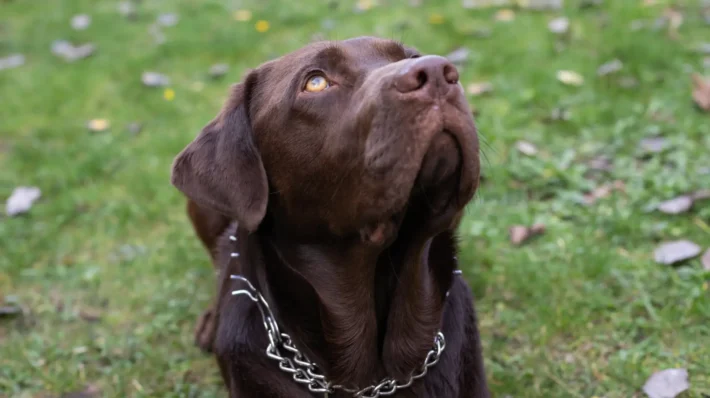
Your dog worries for their survival all the time. Survival is important, and they’re wired to associate survival with leadership. If you already filled that role, well and good. But when no one has taken the role of the leader in your home, they’ll immediately step in because in their minds, leadership = survival.
Think about what that means on a practical level. Your dog wakes up every single morning believing it is their job to keep you safe. They take their job seriously. They assess every stranger, every passing dog, every unfamiliar sound, every potential threat so they can make the big decisions to protect the pack.
That is an enormous, exhausting, relentless responsibility. No wonder they're reactive! They're truly carrying the weight of the world.
And here's what shifts everything: the moment your dog sees you as a calm, capable, trustworthy leader, they stop being so hypervigilant. The moment they genuinely believe you've got it handled, they can finally put the weight of being a protector down. They can stop being the one in charge. They can stop scanning for threats.
When they’re not the one taking charge, they can learn how to relax and interact with other dogs and people.
A dog who isn't carrying the burden of leadership is a dog who can socialize. This is the foundation. It’s not the training tricks or forced exposures that will make this possible.
Socializing a reactive dog is never about throwing them into the deep end at a dog park. True socialization means teaching a dog to coexist peacefully with the world around them, remaining emotionally neutral in the presence of triggers.
Because reactivity stems from completely different emotional drivers, a generic exposure plan often backfires. Tailoring your socialization strategy to the exact type of reactivity your dog experiences is the only way to set them up for lasting success.
FREE WEBINAR: HOW TO HELP YOUR DOG OVERCOME REACTIVITY FASTBefore You Socialize Your Reactive Dog, Know Their Reactivity
Socializing a reactive dog is never about throwing them into the deep end at a dog park. True socialization means teaching a dog to coexist peacefully with the world around them, remaining emotionally neutral in the presence of triggers.
Because reactivity comes from completely different emotional drivers, simply exposing your dog often backfires. Tailoring your socialization strategy to the exact type of reactivity your dog experiences is the only way to set them up for lasting success.
#1: Fear-Based Reactivity
With fear-based reactivity, the dog believes the world is dangerous. Because of this overwhelming fear, they use displays of aggression like barking, growling, and lunging as an offensive defense to drive triggers away.
If your dog has this reactivity, it would be a mistake if you force proximity, expect nose-to-nose greetings, or use high-traffic environments to “flood” the dog into getting used to others.
The Socialization Strategy:
- Prioritize distance over interaction. Work strictly below threshold, where your dog can see other dogs without reacting.
- Practice parallel walking at a generous distance with calm, neutral decoy dogs.
- Focus on building handler focus and trust. Socialization success here means your dog looks to you for safety rather than feeling forced to handle the perceived threat on their own.
#2: Excitement-Based Reactivity
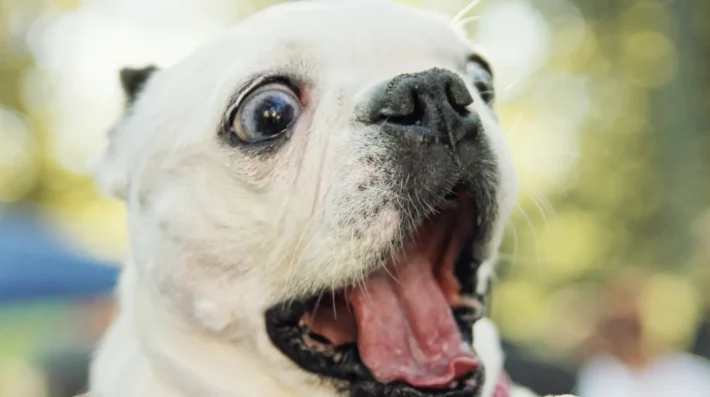
This type of reactivity comes with high arousal and barrier frustration. These dogs genuinely want to engage, but their impulse control shatters when restricted by a leash or barrier.
It’s important that dog owners don’t allow greeting rituals as a reward for calm behavior too early, as this only reinforces hyper-arousal and keeps expectation levels sky-high.
The Socialization Strategy:
- Shift the goal from “playtime” to peaceful coexistence. Socialization doesn't mean your dog has to greet every pup they see. It’s simply helping them realize that other dogs are just part of the scenery—like a passing car or a tree—not an automatic invitation to party.
- Practice calm watching from a safe distance. Set up camp far enough away from busy spots (like the far edge of a park) where your dog can see other dogs without losing their cool. Ask for a simple, relaxed “settle” on a mat or by your feet. You're showing them that they can share a space with the world without having to be the center of the action.
- Celebrate the quiet moments of letting go. The biggest wins are subtle: a softened posture, a deep sigh, or the moment they look away from another dog to glance at you. Shower them with praise and rewards for choosing to disconnect. When they learn that looking away brings peace (and great treats), the urge to lunge and pull naturally begins to fade.
#3: Protective Reactivity
This type of reactivity comes from an overwhelming sense of responsibility.
When a dog feels they must guard you or their territory, every approaching person or dog looks like a potential threat they have to handle themselves. It’s important that dog owners don’t let their dog walk ahead or face social pressure alone, as this only adds to their stress and makes them feel completely responsible for your safety.
The Socialization Strategy:
- Shift the burden off their shoulders by taking the lead. Keep your dog beside or slightly behind you during walks so you meet the world first. When they see you calmly stepping forward to claim the space, they realize they don't have to be on high alert. Step in to guide and protect the boundaries.
- Rather than letting your dog face approaching triggers head-on, position your body between them and the distraction. This shows them through clear, quiet action that you are handling the situation so they can relax.
- Practice calm, parallel pack walks. Walk alongside neutral dogs at a comfortable distance where everyone moves in the same direction with zero face-to-face greetings. Sharing quiet, forward movement helps your dog learn that other dogs can simply exist nearby without being a danger to your pack.
The Arousal Scale: The Foundation of Safe, Successful Socialization
Before attempting a single dog-to-dog encounter, understanding your dog’s arousal scale is critical. Socialization is not an endurance test of how close your dog can get to another animal; it is the process of building neutral, positive emotional associations with the world.
Your dog's arousal level directly determines whether an encounter builds confidence or reinforces reactivity.
The Socialization Zones (1 to 10)
- The Neutral Zone (Levels 1–4): The dog is relaxed, curious, and capable of cognitive processing. They can disengage from visual triggers, accept treats, and respond to cues. This is the only zone where productive socialization occurs.
- The Threshold Edge (Levels 5–6): The dog becomes hyper-vigilant. Muscles tighten, processing speed slows, and social signals become guarded. Proximity must freeze or increase immediately to prevent escalation.
- The Overload Zone (Levels 7–10): The survival brain takes over. Adrenaline floods the system, triggering fight, flight, or barrier frustration. Social learning is impossible here; the dog is simply rehearsing panic or aggression.
The Golden Rule: Socialize Strictly Below a 5
Forcing proximity when a dog is at or above a Level 5 is not socialization—it is sensitization.
- Distance Dictates Success: Social exposure must occur at a baseline where the dog can observe another dog without fixating. Whether that requires 20 feet or 100 yards, distance preserves emotional safety.
- Retreat Over Repetition: If your dog's arousal creeps toward a 5, increase distance immediately. Ending a session while the dog is calm solidifies positive associations; pushing forward teaches them that approaching triggers leads to overwhelm.
Reading Early Micro-Signals During Exposure
Waiting for vocalizations or lunging to manage a social setup means the window for guidance has passed. Successful socialization relies on catching low-level displacement signals early.
- Early Displacement (Levels 3–4): Subtle stress indicators such as out-of-context lip licking, yawning, or deliberate head turns away from the other dog. The dog is trying to self-soothe and avoid conflict.
- Fixation and Posturing (Levels 5–6): A sudden freeze in gait, rigid spine, hard unblinking stare, high stiff tail, or raised hackles (piloerection). The dog has locked on and stopped processing social feedback.
- Defensive Escalation (Levels 7–10): Low growls, forward lunging, snapping, or explosive barking. The dog is using distance-increasing behaviors because their emotional threshold was breached.
Socialization progress is made in the quiet margins before a reaction happens. By protecting your dog from crossing the threshold and rewarding calm disengagement at lower levels, you teach them that other dogs do not require defensive action—laying the groundwork for genuine, lasting neutrality.
Before You Socialize Anything: Build the Foundation at Home
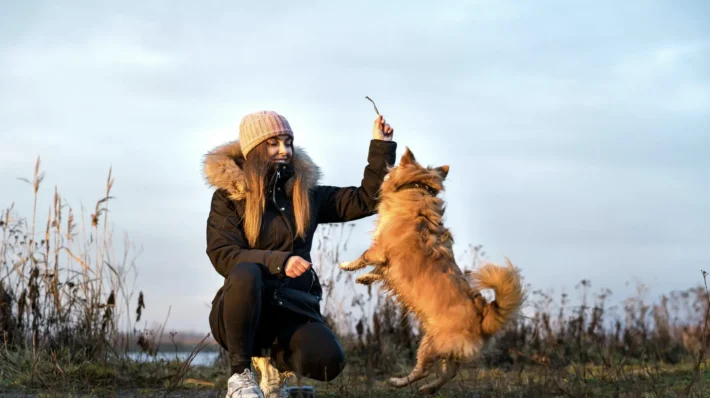
Here is something I've said to thousands of dog owners, and I'll say it again now: the dog park is not where socialization begins. Your living room is.
Before you attempt a single introduction to another dog, you need to establish yourself as a calm, confident leader in the environment your dog already knows. Because if your dog doesn't trust your leadership at home — in familiar, low-pressure conditions — they will absolutely not trust it when another dog appears on a busy street.
The Five Golden Rules: Laying the Leadership Foundation
So how do you become the leader that gives confidence to your dog? By learning the Five Golden Rules of dog leadership.
These rules communicate to your dog, in language they instinctively understand, “I've got this. You don't have to.”
Rule 1: Feeding
You decide when and how your dog eats. No food left out all day. Mealtimes are structured and under your control. This one small act communicates: I make decisions around food. I am in charge.
Rule 2: Affection on Your Terms
You choose when to give attention, and not the other way around. When your dog nudges you for reassurance, stepping in to soothe them in that moment actually reinforces their anxiety. Calm, confident leaders give affection calmly and intentionally, not on demand.
Rule 3: You Go First
Through doorways, gates, down steps. Every time. This isn't about dominance, but more about your dog reading, over and over: my leader goes first. My leader assesses what's out there. I can follow.
Rule 4: Respond Calmly to Perceived Danger
When your dog barks at the doorbell, a noise outside, or a shadow, your response matters enormously. Don't panic. Don't rush to reassure them anxiously. Respond with calm confidence. Check it out, handle it, come back settled. This tells your dog: “I investigated. It's fine. I've got it.”
Rule 5: You Make the Decisions
Your dog looks to you for guidance. You are the decision-maker, the navigator, the one who handles the big calls. Every moment you model this clearly, your dog's need to step in and do it themselves diminishes.
FREE WEBINAR: JOIN HERE AND GET THE DOG CALMING CODE™ FOR FREE!Master Your Own Calm First Because This Is Everything
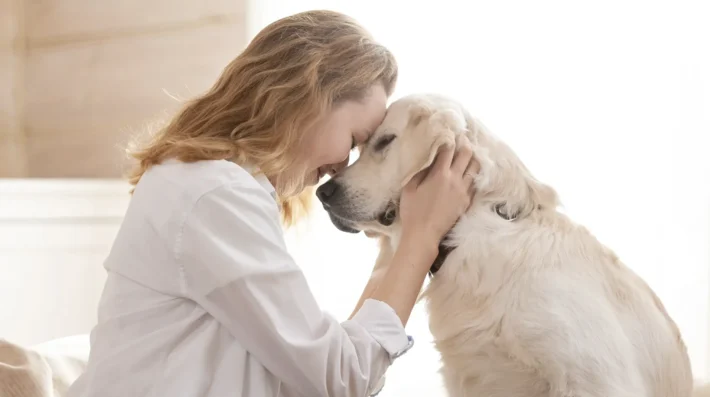
I want to be direct about something: your energy is not a small detail. It is everything.
Your dog reads you constantly. Every shift in your posture, every tightening of your grip on the lead, every sharp breath when you spot another dog on the horizon… your dog feels all of it. And what they feel, they interpret as information: “My owner is worried. That means there IS something to be worried about.”
Here's something that surprises people when they first hear it: if you turn your back on an approaching dog and walk away calmly, you send your dog a powerful message: “That's not important. I've assessed it. We're moving on.”
That single act of calm, purposeful redirection communicates more leadership than any amount of obedience training.
Before every walk, before every planned introduction, take a breath. Consciously relax your shoulders. Loosen your grip on the lead. Walk with purpose, not dread. Your calm does not just help your dog. For a reactive dog, your calm is the whole point.
How To Effectively Socialize Your Reactive Dog
Phase 1: Controlled Environments For First Introductions
Once your dog is showing genuine signs of trusting your leadership at home — looking to you naturally, settling more easily, responding to basic cues — you are ready to begin introducing other dogs. Carefully. Slowly. Always on your terms.
Start in Your Own Space
Start in a place that is familiar to you and your dog. An environment your dog knows and feels relatively secure in reduces the chances of stressful encounters. Invite one calm, trusted dog (ideally a relaxed, older dog who won't push your dog's boundaries) and start there.
You control the distance and the duration. Your dog is on home turf, which gives them a confidence advantage they won't have in a neutral park.
Choose the Right Dog: This Matters More Than Most People Realize
Not every dog is the right socialization partner for a reactive dog, and choosing poorly can set your progress back weeks.
Ideal Partners
- Calm, balanced, older dogs who are settled and unflappable
- Dogs who read and respect social signals from other dogs
- Dogs whose owners you trust completely
Dogs to Avoid
- Bouncy, over-excited dogs of a similar age (even well-meaning exuberance can feel threatening to a reactive dog)
- Pushy or dominant dogs who won't respect your dog's signals
- Dogs you haven't been able to observe first
Ask owners honestly before any interaction. A dog who is calm at home may become pushy off-leash. Always know what dog you're working with.
Understand the Threshold, And Never Cross It
This is the single most important concept in all reactive dog work. As a dog owner, be aware of this threshold, as it allows you to know when to intervene when you see the interaction becoming tense.

Your dog has a threshold: the distance at which their trigger causes them to react. Your job is to stay below that threshold, in the zone where your dog is aware of the other dog but not yet overwhelmed.
Start at 3–5× the distance that normally triggers a reaction. Watch your dog's body language constantly. The moment you see stiffness, a fixed stare, or any of the early warning signs, that is your threshold. Do not cross it. Work at that distance until your dog is consistently calm, then (over weeks, not days) decrease the distance gradually. One of the most common mistakes I see is rushing this step.
Progress that feels slow is progress that lasts.
Parallel Activity: Side by Side, Not Face to Face
Dogs find a direct face-to-face approach overwhelming, especially the reactive ones. Before any close greeting, begin with parallel activity.
Start by making sure both dogs are on lead, walking side by side, 6+ feet apart. There should be no pressure to interact. Both owners need to be calm and aware. Your dog's job: stay focused on you, not the other dog. Your job: stay calm and keep moving.
This is how dogs in the wild get comfortable with each other, not through immediate confrontation, but through shared, low-pressure proximity over time.
Reward Calm Behavior Strategically, Not Just Constantly
Yes, treats can help. But how you use them matters enormously.
Don't use treats to lure your dog past their threshold. That's bribery, and it doesn't change how your dog feels about the trigger. Dan makes this point directly: teaching your dog that barking produces treats is the opposite of what you want.
Instead, reward calm behavior before any tension arises. Reward a relaxed body, or a voluntary glance back at you in the presence of another dog. Reward curiosity without reaction.
You are not rewarding the absence of fear. You are rewarding the presence of trust. That distinction matters.
Build the “Look at Me” Redirect
When a reactive dog locks eyes on another dog, their whole nervous system begins to narrow. It feels like tunnel vision. Their focus hardens, the tension builds, and without help, that internal pressure inevitably boils over into a full-blown reaction.
Eye contact is an emotional pressure release valve.
When your dog chooses to turn their eyes away from an approaching trigger and look at you, something profound shifts inside them:
- Breaking the adrenaline cycle: Eye contact requires cognitive control. The moment your dog pulls their gaze away from what scares or excites them, they disrupt the chemical rush of adrenaline before it completely hijacks their brain.
- Handing over the decision-making: A reactive dog stares because they feel compelled to manage the threat themselves. When they look back at you, they are essentially asking: “Are we okay? What do you want me to do?” They are transferring the emotional burden from their shoulders to yours.
- Finding a safe harbor: Your face represents predictability and safety. Looking at you reminds your dog that they are not alone in facing the world—you are right there with them, completely calm, capable, and in control.
Before you ever expect your dog to navigate the messy outside world, you need to build that trust. When looking at you becomes their most reliable, rewarding, safe space, you give them a gentle way out of the emotional spiral before it even begins.
Reward your dog whenever they do this to reinforce behavior.
If There's Any Doubt, Use a Muzzle
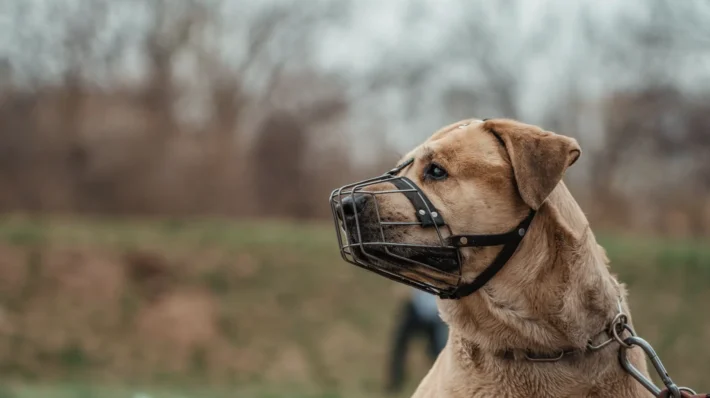
This is something I want to be direct about. If there is any real uncertainty about what your dog might do during early introductions — any genuine concern about contact — put a muzzle on and take the risk completely off the table.
Using a muzzle is responsible management while you build the foundation. It protects the other dog, it protects your dog from the fallout of a bad incident, and it allows you to relax. And when you relax, your dog reads that too.
Use it without shame. Remove it as your dog's confidence and your trust in the process grow.
Signs Your Dog Is Ready to Progress
Don't move to the next phase until you see these consistently:
- Voluntary eye contact with you, even when another dog is present
- Relaxed body posture during controlled introductions
- Able to maintain focus on you for at least half of the session
- Recovery time under 30 seconds when a moment of tension occurs
Phase 2 — Semi-Controlled Environments: Widening the World
Once Phase 1 is solid, you begin introducing your dog to environments with more variables. But you do it gradually, and always on your terms.
Move Outdoors — But Choose Carefully
- Start at the perimeter of a dog park, or outside the fence. Make sure there’s no pressure to engage
- Quiet parks during off-peak hours (early morning and late evening are ideal)
- Streets with occasional, predictable dog traffic
- Your dog stays on lead throughout
The goal here is not to get your dog to interact with lots of other dogs. The goal is for your dog to exist in the same environment as other dogs, remain below threshold, and look to you for guidance.
Controlled Parallel Walks With a Trusted Friend
Arrange a walk with a friend whose dog is calm and reliable. Start 20+ feet apart. Both dogs on lead, both handlers relaxed and chatting casually, and not tensely monitoring every move. Walk in the same direction, maintaining distance.
- Your dog's job: stay focused on you
- Your job: stay calm and keep the energy easy
Walking side-by-side in the same direction mimics natural pack behavior. There is no stare-down and no standoff. The other dog stops being an impending collision and simply becomes a companion sharing the trail.
Moving alongside a grounded dog and listening to relaxed human conversation sends an unmistakable message to your dog’s nervous system: no one else is panicking, so I don’t need to either.
Shrinking the gap by inches over time allows your dog's brain to absorb safety without triggering survival alarms. When peace is experienced consistently, calmness replaces the urge to react.
Introduce Unpredictability Slowly
Move through a careful sequence:
- Known, calm dog
- Friendly younger dog
- More active dog
- Unpredictable dog
Each step requires multiple successful sessions before moving on. If you find yourself tempted to skip a step because things are going well, resist. The foundation you're building is only as strong as each step beneath it.
What To Do When Dog Reacts Negatively
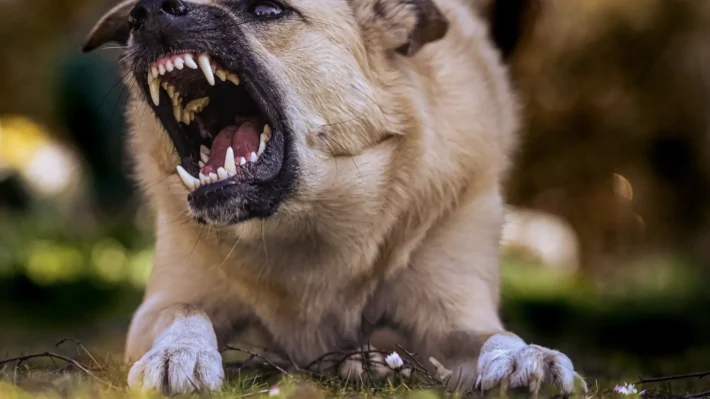
Even with the best preparation, your dog will have reactive moments during this phase. Here is exactly what to do:
Don't Punish
Punishing a dog mid-reaction adds fear to fear. It teaches your dog that other dogs = pain from you. It destroys trust and worsens reactivity over time.
Don't Force Through
Staying in the situation hoping your dog will “calm down” while they're already over threshold rarely works, and frequently makes things worse.
Do Create Distance Calmly
Don’t use drama or force. Simply say something neutral like “let's go” and move away from the trigger at a calm, purposeful pace. Turn your back on the other dog and walk away with confidence. You are not retreating in panic. You are making a calm leadership decision that tells your dog: “That's not important. I've handled it. We're moving on.”
Do Redirect and Reward
Once you've created enough distance for your dog to drop back below threshold, ask for a simple behavior (like asking them to sit, or look at you) and reward it. You are re-establishing the pattern: I lead. You follow. You're safe.
REACTIVE TO CHILL DOG IN JUST 7 DAYS? THIS FREE WEBINAR WILL TEACH YOU HOWPhase 3 — Real-World Scenarios: The Final Steps
Phase 3 is where all the foundation work begins to pay off in real, everyday life.
Busier Environments One Variable at a Time
Move gradually toward more populated spaces:
- Slightly busier parks (still quieter than peak hours)
- Streets with more pedestrian and dog traffic
- Situations with multiple dogs visible at once
Add one new variable at a time. Never stack multiple new challenges in the same session. Your dog's nervous system needs to adapt progressively. It’s like building fitness, not like running a marathon with no training.
Try Off-Lead Socialization Only When Truly Ready
This is the finish line, not an early step.
Before any off-lead introduction:
- Your dog must have a 100% reliable recall in all environments
- You need a fully enclosed space (fenced park or your yard)
- Only with calm, balanced dogs you know and completely trust
- You must have an exit strategy ready if your dog reverts
Off-lead socialization is not a phase 1 or phase 2 goal. It is the graduation ceremony, earned through consistent work in every phase before it.
Setbacks Are Not Failure, They're Information
A sudden scare, a chaotic encounter, or simply an off day when life feels heavy—any of these can cause your dog’s emotional threshold to dip. When a reaction happens after weeks of smooth walks, it is easy to feel the sting of defeat.
Setbacks are not proof of failure; they are simply a mirror of your dog's nervous system:
Just like us, dogs experience emotional exhaustion. A stressful day doesn't disappear the moment it ends; lingering stress hormones keep their internal alarm system sensitive for days, making little things feel overwhelmingly big.
Stepping back a few paces isn't losing your hard-earned progress. Think of it like returning to lighter weights after time away from the gym… the underlying muscle and memory are still very much intact. You are simply giving their mind a gentle place to breathe.
Returning to an earlier, quieter setup tells your dog that you hear them. By offering them easy wins where they feel completely secure, you melt away the fresh layer of anxiety and remind them that the world is still safe.
Avoid These Reactive Dog Socialization Mistakes
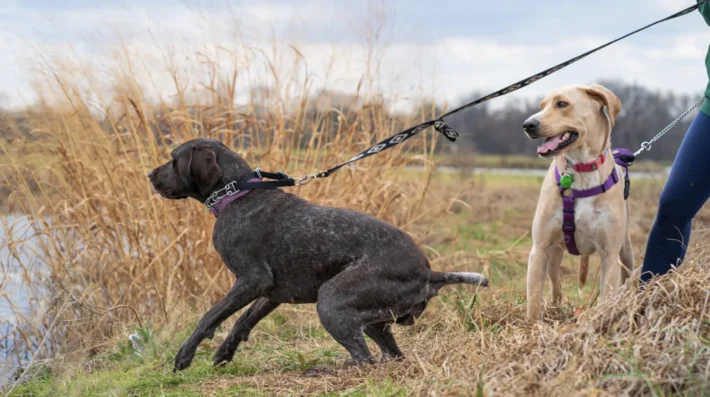
Forcing Exposure Creates Emotional Overload
Pushing a dog into situations they cannot handle does not build resilience. It floods their system with panic and teaches them that their terror was justified. More painfully, it signals that you will not step in when they need you most, eroding the trust that holds your relationship together.
Pain and Intimidation Silence Warning Systems
Tools designed to punish or suppress reactions only address the outward symptom while driving the panic deeper inside. When pain is paired with a trigger, the dog learns to associate other dogs with danger and discomfort. A dog silenced through force is simply a dog in complete emotional shutdown, stripped of healthy communication and left with nowhere to turn.
Bribing Overrides Natural Boundaries
Waving food to pull an anxious dog closer to a trigger forces them into conflict with their own survival instincts. When the food disappears, the terrifying reality crashes back in. True learning happens only when a dog feels secure enough to choose calm on their own, not when their survival signals are clouded by desperation for a treat.
Rushing Skips Internal Rewiring
Confidence needs time to settle deep into the nervous system. Advancing too quickly before the foundation is solid removes the emotional safety net before your dog is ready to stand alone. Sustainable progress happens in quiet, patient layers.
Anxious Comfort Mirrors Their Panic
When your dog trembles, fussing over them with soft, tense energy accidentally validates their alarm. Your dog reads your nervous system like an open book. What actually restores their peace is seeing that you are grounded, unbothered, and completely capable of keeping you both safe.
JOIN MY WEBINAR AND GET THE DOG CALMING CODE™ FOR FREEWhen to Seek Professional Help
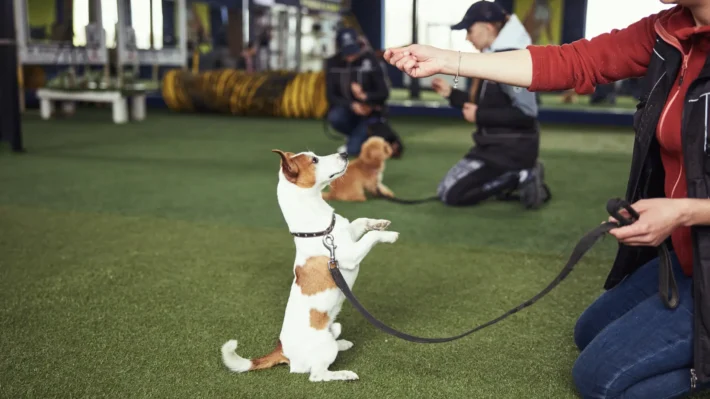
Sometimes, no matter how much effort and love you pour in, you need another set of expert eyes. There's no shame in that. In fact, knowing when to reach out is itself a sign of good leadership.
Signs You Need a Trainer
- Your dog has bitten or hurt another dog or person
- Reactivity is escalating despite weeks of consistent effort
- You feel genuinely unsafe on walks
- You keep cycling through Phases 1 and 2 without progressing
What to Look For in a Trainer
- Uses force-free, positive methods (no shock collars, no alpha rolls, no flooding)
- Understands reactivity as a leadership and emotional regulation issue, and not just a behavior problem
- Teaches you, the owner, how to show up differently, and not just how to manage the dog
- Avoids “flooding” (forcing the dog into overwhelming situations hoping they'll desensitize)
Realistic Timeline: How Long Does It Take to Socialize a Reactive Dog?
Socializing a reactive dog is a process of rewiring emotional responses and rebuilding trust, not checking off quick training tricks. Because every nervous system adapts at its own pace, your dog’s progress relies more on your patient consistency than on rushing to hit a rigid calendar date.
Realistic Expectations by Reactivity Level
| Severity Level | Emotional Presentation | Estimated Timeline |
| Mild Reactivity | Alert staring, occasional whining, quick recovery once distance increases | 8 to 12 weeks of structured, regular exposure |
| Moderate Reactivity | Fixated barking, lunging on leash, slow to refocus without intervention | 3 to 6 months of gradual threshold work |
| Severe Reactivity | Immediate panic, explosive aggression, complete shutdown, bite history | 6 to 12+ months of dedicated rehabilitation |
Key factors influencing this timeline include your dog's past trauma, genetic temperament, your practice frequency, and how reliably you manage their environment.
Why Consistency Is Non-Negotiable
Your dog has to register this in their muscle memory. Consistency pays off because:
- One session every few weeks will not shift a fear response so deeply ingrained in your dog. Practicing three to four short, positive sessions per week allows calm behavior to become your dog's natural default.
- Long breaks allow old survival habits to creep back in. This requires extra time to re-establish trust.
- Much like building physical endurance, real change does not happen from a single intense workout. It comes from small, quiet wins stacked consistently over months.
Facing Setbacks With Patience
Life happens. A sudden move, illness, changes in routine, or a scary off-leash encounter can temporarily shake your dog's sense of safety. When progress dips, handle it with patience:
- Drop back to an earlier, easier phase where your dog felt entirely secure.
- Spend time collecting easy wins at greater distances until relaxation returns.
- Reintroduce closer setups only after your dog's baseline calm is fully restored.
Setbacks are not evidence of failure but are simply valuable signals telling you when your dog's cup is full. Because the groundwork you built does not vanish overnight, rebuilding confidence the second time around is always faster and sturdier.
Your Action Plan: Building Trust and Neutrality Step by Step
True socialization is a quiet, steady journey of rewriting emotional associations. To set you and your dog up for lasting success, progress must be paced to their nervous system rather than a calendar.
Use this roadmap to guide your steps, moving forward only as trust and calm solidify.
Of course, the very foundation of this training is your leadership. Once you establish leadership using The Dog Calming Code™ (my bestselling program that teaches the Five Golden Rules), you can follow this suggested timeline.
Phase 1: Groundwork and Emotional Awareness (Week 1)
Before stepping into the world together, focus on mapping your dog's triggers and establishing a steady, reassuring baseline at home.
- Start a behavior journal: Log incidents, specific triggers, manageable distances, and your own emotional reactions to uncover patterns.
- Identify the trigger profile: Pinpoint exactly what causes a reaction, where it happens, and the precise distance your dog needs to stay relaxed.
- Practice grounded energy at home: Cultivate calm, steady handling during everyday indoor routines to show your dog they can rely on your leadership.
- Anchor to core principles: Review the fundamental rules of calm handling and apply them consistently across every interaction.
Phase 2: Engagement and Foundation Skills (Weeks 2–3)
Shift attention toward building focus and quiet confidence in low-pressure environments.
- Master focus cues in peace: Perfect reliable sit, down, and “look at me” cues in distraction-free spaces until responding feels effortless for your dog.
- Practice loose-leash walking: Walk exclusively in quiet, low-traffic areas where your dog can explore without environmental overload.
- Plan a safe, controlled encounter: Coordinate a relaxed exposure in a secure yard with a calm, neutral dog who will not react or add social pressure.
- Prioritize safety with proactive tools: Condition a comfortable basket muzzle if there is any doubt about your dog's safety margin, removing anxiety for both of you.
Phase 3: Controlled Exposures and Distance Shrinking (Weeks 4–8)
Begin active, gradual exposure work, keeping your dog's arousal strictly in the safe zone.
- Begin structured yard and parallel exposures: Work at distances where your dog notices the other dog but remains relaxed and receptive to you.
- Reduce distance gradually: Move closer by roughly one foot per successful, calm walk rather than rushing proximity within a single session.
- Maintain consistent, brief sessions: Schedule three to four focused, low-stress practice sessions each week to build strong muscle memory.
- Check your internal state: Consciously monitor your own breathing, posture, and tension before and during every outing to keep the leash line soft.
Phase 4: Long-Term Integration and Advocacy (Ongoing)
Socialization is a living practice of honoring boundaries, adjusting to life changes, and celebrating subtle milestones.
- Follow your dog's timeline: Advance only when your dog demonstrates true neutrality, letting their emotional comfort set the pace.
- Embrace setbacks as gentle pivots: If an off day or bad encounter happens, gracefully return to an earlier, easier setup to restore confidence.
- Know when to seek guidance: Reach out to a certified force-free behavior consultant if progress stalls after a month of steady, patient effort.
- Trust the foundation: Lasting transformation happens when compassionate understanding, clear guidance, and quiet patience work as one.
The Bottom Line
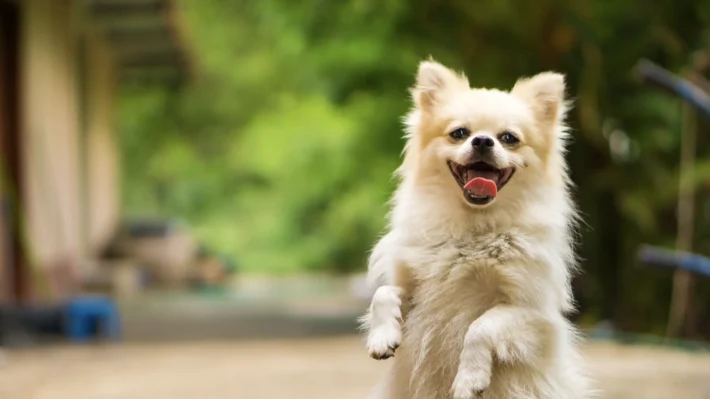
Your reactive dog is not beyond help. You will still have a chance to see them have fun and play around just like any other dog.
They are a dog who woke up one day and decided — because no one had clearly shown them otherwise — that it was their job to handle things. And they've been doing that exhausting job ever since.
Your role is not to force them out of it. It's not to flood them with exposure they're not ready for. It's not to punish them for being frightened.
Your role is to show them, quietly and consistently, day after day: “I've got this. You don't have to.”
Do that — through calm leadership, graduated exposure, sensible safety measures, and genuine patience — and you will watch your dog change. Not overnight. Not dramatically. But in dozens of small, quiet moments that add up to something remarkable.
A dog who walks beside you with a loose lead and a relaxed body. A dog who glances at another dog and then looks back at you, calm. A dog who isn't carrying the world on their shoulders anymore.
That dog is already inside yours. They're just waiting for the right leader to help them find their way out.
If you're ready to take the first step, join my free webinar where I walk you through the core foundations of The Dog Calming Code™ — the exact framework that has helped over 125,000 dog owners transform their reactive dogs, without force, bribes, or fear.
JOIN OUR WEBINAR AND LEARN THE DOG CALMING CODE™ FOR FREE
— Doggy Dan
FREQUENTLY ASKED QUESTIONS
Can a reactive dog ever become “normal” around other dogs?
Yes, often completely. With consistent leadership and graduated exposure, many reactive dogs become genuinely comfortable and friendly around other dogs. “Normal” looks different for every dog; some will always be selective about their social circle, and that's fine. The goal isn't a dog who loves every dog they meet. The goal is a dog who can move through the world calmly, without exploding. That is absolutely achievable.
How long before I see results?
Some owners notice a shift within days of genuinely establishing calm leadership at home. Most see meaningful progress within 4–8 weeks of consistent practice. But results depend entirely on consistency, not intensity. Three focused sessions per week over four months will achieve far more than sporadic intense efforts.
Should I comfort my dog when they're reactive?
Not in the way your instincts suggest. Stroking and speaking softly to your dog mid-reaction confirms their fear: “Yes, this is scary, and my owner agrees.” Instead, respond with calm composure. Stand tall. Breathe steadily. Turn away from the trigger with purpose and confidence. Your settled, unshakeable presence communicates more than any words: “I've assessed this. There is no threat here. You can come back to me.”
My dog is fine at home but falls apart around other dogs. Why?
Because your home is predictable and familiar, your dog has learned the rules there. Outside, the world is unpredictable, and if your dog doesn't fully trust that you can navigate that unpredictability, they step up to do it themselves. The solution is to extend your leadership beyond the living room, out the front door and into the world. That's exactly what the phase process does.
Is it too late if my dog is already an adult?
Never. I have seen genuine transformation in dogs of every age. Older dogs may take more time — fear patterns are more ingrained — but the process is identical, and the outcome is just as real. Start where you are. Start today.
What if my dog was rescued and has a traumatic past?
Past trauma shapes a dog's responses, absolutely. It can deepen fear and lower the threshold for overwhelm. But trauma is not destiny. What a dog who has been through difficult experiences needs most is a leader they can genuinely trust: someone steady, calm, and patient enough to let them build confidence one small interaction at a time. That is exactly what this approach provides.
Should I use a muzzle when socialising my reactive dog?
If there is any genuine uncertainty about what your dog might do, yes, absolutely. A muzzle removes risk from the equation entirely, which means you can relax, your dog reads that relaxation, and the session is far more likely to go well. Use it without shame while you build the foundation. It's not permanent. It's practical.