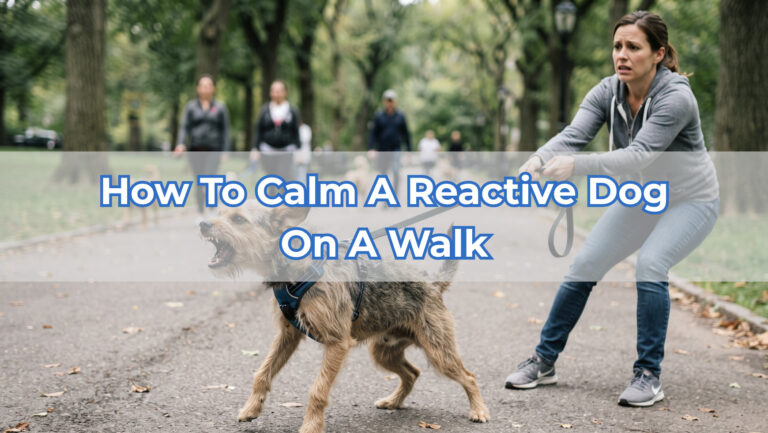
“Doggy Dan, does my choice of leash actually matter for calm walks?” Short answer: Leadership absolutely comes first, but the gear you’re going to use is also important. While your mindset and technique do the heavy lifting, the wrong leash can work against you. If you want a stress-free stroll, it’s a must to choose a leash that supports your walks!
If you have a reactive dog, you already know that every walk carries a certain weight to it. The moment a trigger appears, whether it’s another dog across the street or a stranger rounding the corner, everything can unravel in seconds.
And if the leash in your hand isn’t working with you, it will work against you.
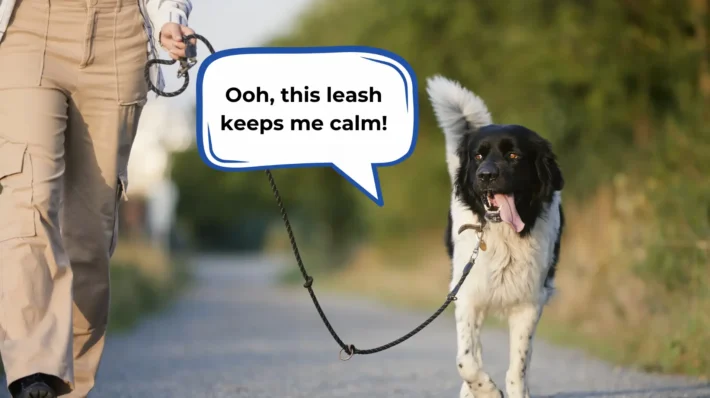
Here’s something most dog owners don’t realize: the leash isn’t just a restraint. It’s a line of communication. And if that line feels flimsy, uncomfortable, or hard to manage, your anxiety travels straight down it, right to your dog.
That’s why choosing the best leash for reactive dogs is one of the most practical things you can do to set your walks up for success.
In this post, we’re breaking down why the right leash is a game-changer for your daily walks—and which ones are actually worth the investment. Let’s dive in.
Key Takeaways
- The Leash as a Communication Tool: The best leash for reactive dogs is more than a restraint; it is a direct line that signals calm leadership. When leash training reactive dogs, your “soft hands” prevent tension from traveling down the line, helping your dog feel secure rather than anxious.
- Strategic Material for Reactive Dog Training: Choosing specialized materials like ergonomic rope or BioThane helps manage leash reactive dogs by preventing physical pain like leash burn. This allows you to maintain steady, comfortable control even during a sudden lunge.
- Optimal Length for Leash Walking: Use a standard six-foot leash for dog walking to balance safety with stress-relieving sniffing. For deeper reactive dog training in open spaces, a 30-foot long line empowers your dog to make better choices while building their confidence.
Why Is Your Dog Reactive in the First Place?
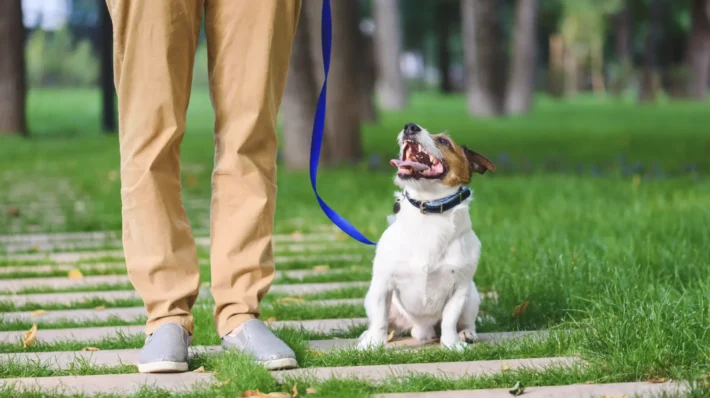
If your dog lunges, barks, or loses control on the leash, you might be wondering, “Is this just who they are?”
Not necessarily.
Reactivity is almost always rooted in one thing: your dog doesn’t feel like there’s a calm, capable leader in charge. And when there’s no leader, your dog steps into that role, whether they want to or not.
Think about it from your dog’s perspective. Dogs still carry the instincts of their wolf ancestors, 99.98% of the same DNA, to be exact. In the wild, the pack leader is the one who handles threats, makes the big decisions, and keeps everyone safe. If your dog doesn’t sense that leader in you, they take over. And a dog trying to manage every perceived threat while on a leash? That’s a recipe for reactivity!
The leadership you bring to the walk matters first and foremost. But the leash you choose will either establish this leadership, or completely invalidate it.
With that said, let’s look at what kind of leash actually supports calm, confident handling.
Best Leashes for Reactive Dog Training: What to Look For
The right leash won’t fix reactivity on its own. But the wrong leash can make a difficult walk even harder. A sharp tug from a thin, slippery lead can spike your dog’s stress response right at the worst moment, right when a trigger appears and you need to stay grounded.
Great leash design gives you “soft hands.” It lets you apply gentle guidance rather than reactive yanking. It keeps you comfortable so your energy stays calm. And calm energy, as any dog owner learns quickly, is contagious in the best possible way.
Here’s how the most common leash materials stack up.
Comparing Leash Materials for Leash Reactive Dogs
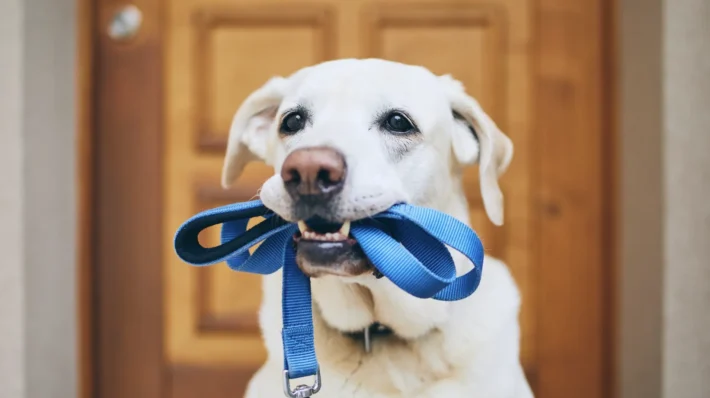
Different leashes in the market feature materials ranging from nylon to rope-style ones. Let’s compare them.
BioThane: The Adventure-Proof Option
BioThane is a polyester webbing with a protective coating, and it has become a go-to for trainers who work in all weather conditions. It doesn’t absorb water or odors, stays lightweight, and is incredibly easy to wipe clean after a muddy trail walk.
For leash reactive dogs, BioThane is a strong choice because it holds up in the elements without getting heavy or slick. The one trade-off is that some handlers find the texture feels a little synthetic in the hand, and lower-quality versions can become slippery when completely soaked. Worth testing before committing to longer sessions.
Rope Style: The Comfort-First Option
If your reactive dog is a serious puller, a thick, round, braided rope leash might be the best leash for reactive dogs who make every walk a workout.
The rounded shape fits naturally into your palm, distributing pressure across your whole hand rather than cutting into your fingers. Many rope leashes also have a slight natural “give” that acts like a mini shock absorber when your dog lunges, which is kinder on your shoulder and wrist.
The downside? Bulk. Rope leashes are harder to reel in quickly, and if they drag through puddles, they get heavy and waterlogged fast.
Leather: The Long-Game Option
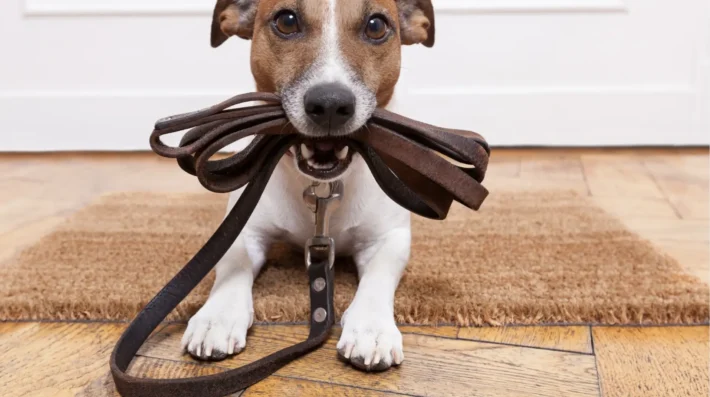
Leather is the classic choice for a reason. Over time, a quality leather lead softens and molds to your grip, becoming a tool that feels genuinely personal. It offers a natural, non-slip hold and a tactile connection that many handlers find grounding.
The catch is that leather is a premium material that needs care. Frequent training in mud and rain will wear it down quickly if you don’t condition it regularly. But for handlers who walk in mostly dry conditions and want something that improves with age, leather is hard to beat.
Standard Nylon: The Common Choice That Comes With Caveats
Nylon leashes are everywhere because they’re affordable and lightweight. But for reactive dog training, they are often the least ideal option.
The flat, thin edges can be punishing on your hands if your dog bolts. And nylon has a way of holding onto bacteria and dirt, eventually becoming stiff and unpleasant without regular washing. If nylon is your only option right now, that’s fine, but if you’re investing in your reactive dog’s training, it’s worth upgrading.
Best Leash for Walks: Leash Length
The material of your leash matters, but so does the length. And for reactive dogs, getting this right is a strategic decision.
The Everyday Walk: Four to Six Feet
For a standard neighborhood walk, a four to six-foot leash hits the sweet spot. It’s long enough to give your dog room to sniff and explore without feeling pinned to your side (which can actually increase frustration and reactivity), but short enough that you maintain clear, calm guidance.
Sniffing, by the way, is one of the most natural stress-relievers a dog has. Allowing your reactive dog to use their nose on a walk does more for their nervous system than many owners realize. A six-foot lead gives them just enough room to do that while you stay connected.
Open Spaces and Decompression Walks: The 30-Foot Long Line
When you find yourself in a quiet field or a low-traffic park, a 30-foot long line can be genuinely transformative for leash training reactive dogs.
The extra length gives your dog more room to make their own choices, to move toward things that interest them or away from things that make them nervous, on their own terms. This kind of “decompression walk” is less about obedience and more about letting your dog simply be a dog. It builds confidence, lowers baseline stress, and gives you a chance to observe how your dog naturally navigates the world.
What I Recommend: The Doggy Dan No-Pull Harness
For those who want a tool designed around the principles of calm, connected leadership, the Doggy Dan No-Pull Harness is worth serious consideration. Rather than focusing on force or restriction, it’s built to support the kind of gentle, confident guidance that actually gets through to a reactive dog.
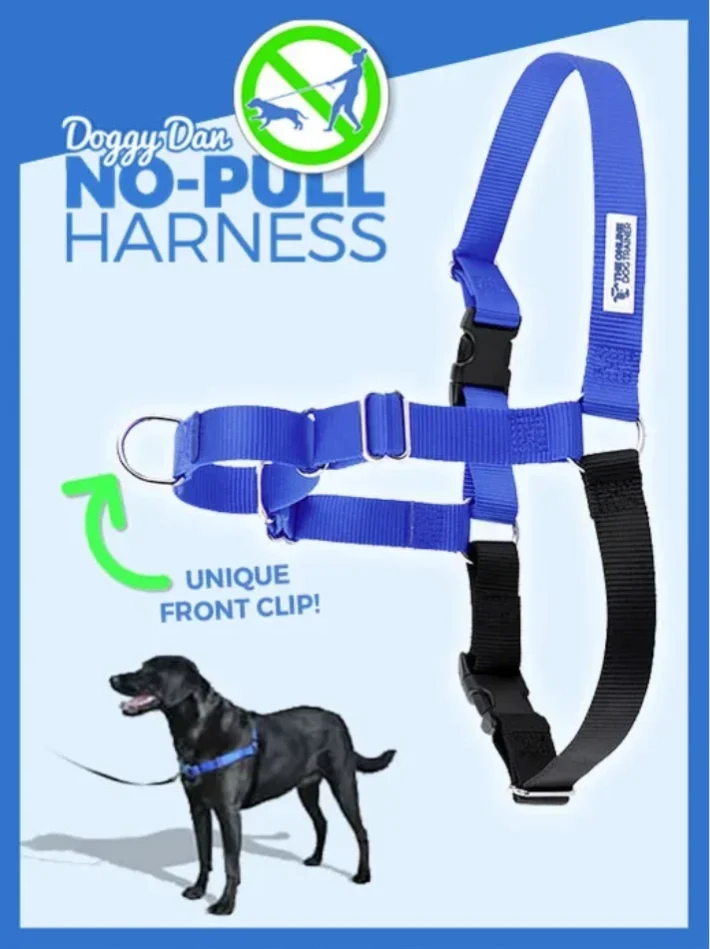
Unlike traditional collars that press against the throat, the Doggy Dan No-pull Harness rests safely across the chest to prevent gagging or choking. Its unique front-chest loop provides gentle leadership by steering your dog back toward you the moment they try to surge ahead. Perfect for light to moderate pullers, it offers the control you need to ensure every stroll is a calm, connected, and spiritually uplifting experience for both you and your dog.
The Leash Is the Tool. Leadership Is the Solution.
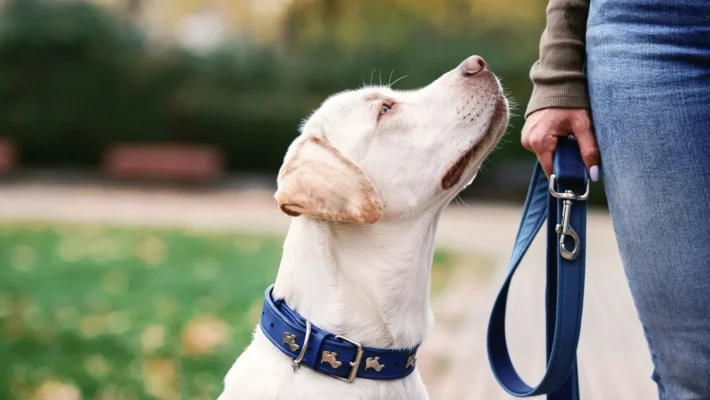
The best leash for reactive dogs is the one that helps you show up as a calm, confident leader on every walk. Because at the end of the day, your dog isn’t looking for a perfect piece of equipment. They’re looking for someone they can trust to make the big calls.
The Dog Calming Code™ is built on exactly this principle. When your dog sees you as their capable, trustworthy leader, not just on the walk but in every part of daily life, reactivity doesn’t disappear overnight, but it does begin to unravel. Walk by walk, step by step.
And that’s a walk worth taking.
I explain the Dog Calming Code in detail in my free webinars. Grab your set now, they book out fast!

~Doggy Dan 🙂