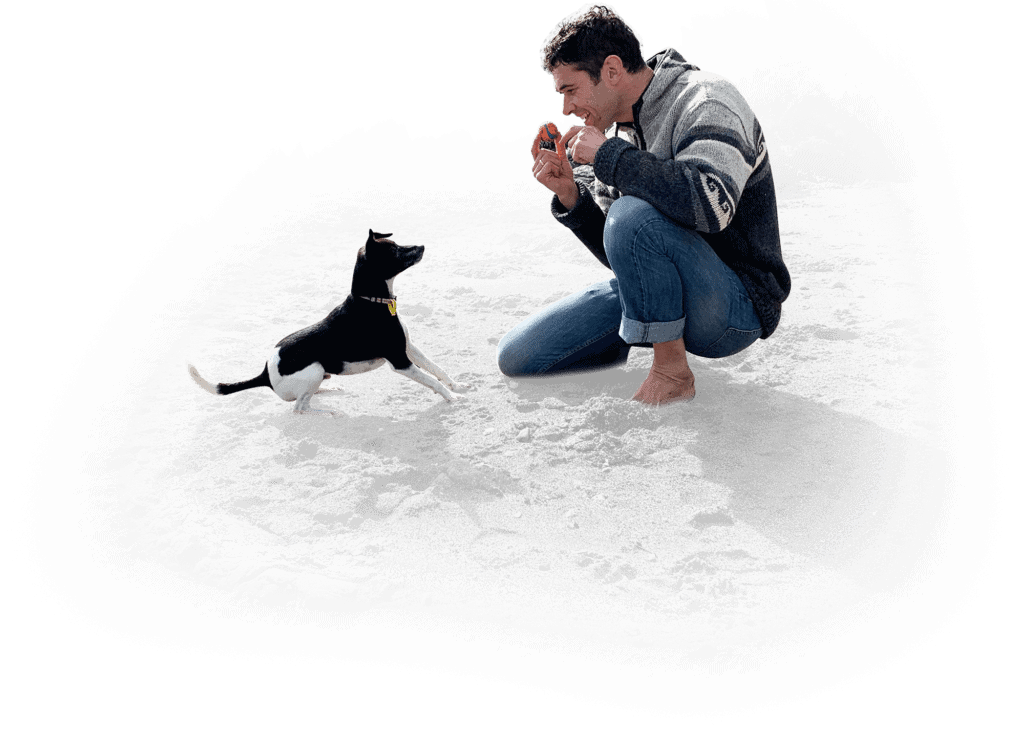
In this blog, you will learn all about the dog reactivity chart and how you can use it to effectively manage and improve reactive dog behavior.
Many dog owners struggle with dog reactivity. It means their dogs have a hard time controlling their reactions to things like people or the other dog they're with. When a dog is reactive, it's very difficult for them to pay attention and learn because they are overwhelmed by what they're reacting to.
Understanding your dog's triggers and recognizing their early signs of reactivity, like those shown in a dog reactivity chart, can help you manage their behavior and prevent it from escalating.
Key Takeaways
- The Reactivity Chart as a Guide: The chart helps you understand your dog's emotional state on a scale of 0 to 10, from calm to highly reactive. It allows you to recognize subtle signs of stress and intervene before your dog escalates into full-blown reactivity.
- Identify and Avoid the Reactive Zone: Levels 7 and above represent the “red zone” where adrenaline takes over, making it difficult for your dog to calm down. The goal is to keep your dog in the lower levels (0-3 for calm, 4-6 for alert) and prevent them from reaching this overwhelmed state.
- Track Progress and Fine-Tune Your Approach: The chart helps you monitor your dog's responses in different situations, identify triggers, and adjust your strategies accordingly. When you use this for reactivity training, the chart can allow you to see subtle improvements over time and stay motivated even when progress is gradual.
What is Dog Reactivity?
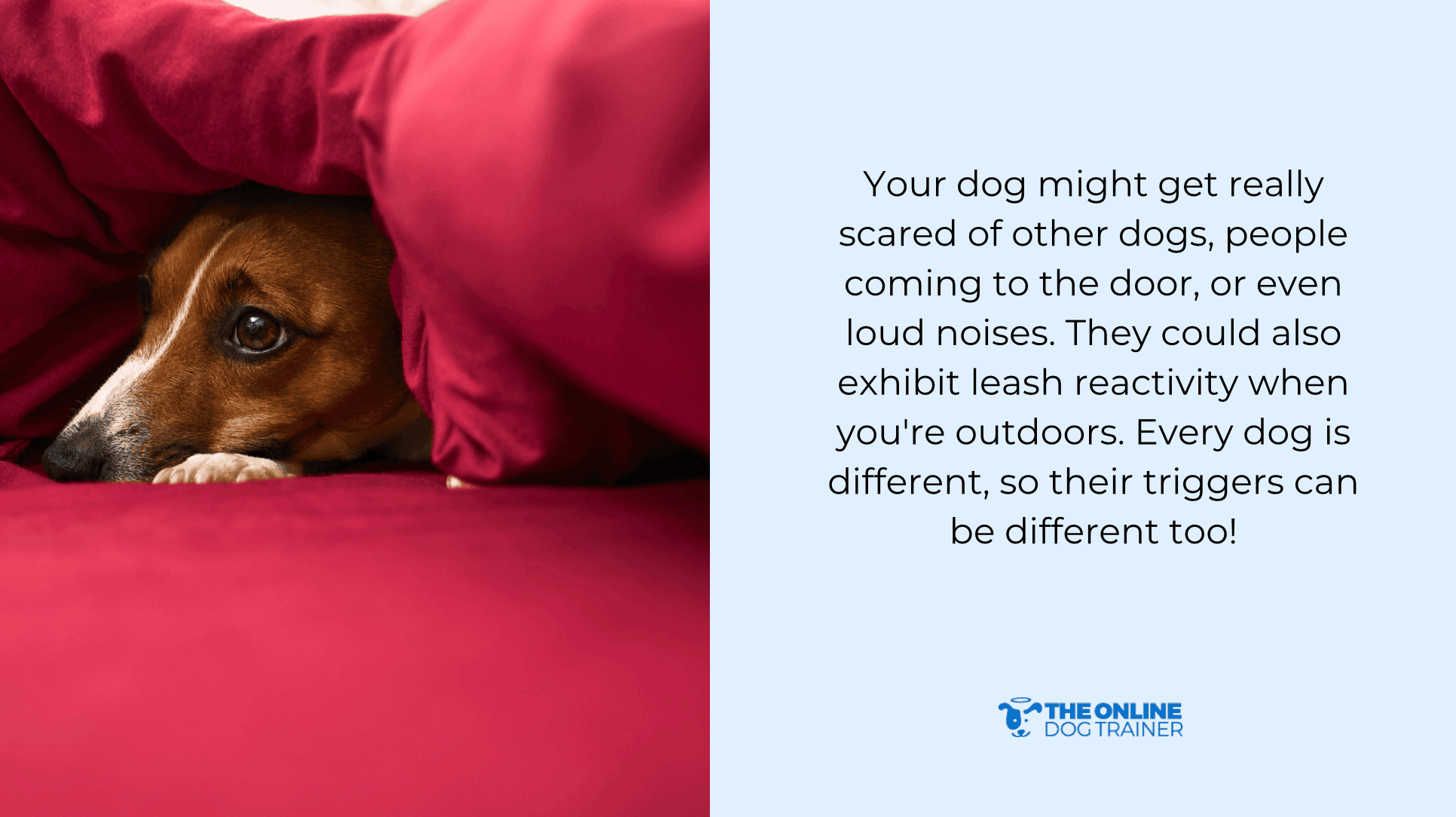
Dog reactivity is when a dog gets really upset or scared by things around them. It's like they overreact to things that might seem normal to us.
For example, your dog might get really scared of other dogs, people coming to the door, or even loud noises. They could also exhibit leash reactivity when you're outdoors. Every dog is different, so their triggers can be different, too!
When dogs get reactive, they might bark, lunge, growl, or even try to bite. But sometimes, they show they're upset in other ways, like hiding, shaking, or licking their lips a lot.
It's important to remember that reactive dogs aren't trying to be naughty. They're just feeling overwhelmed and scared.
MANAGE DOG REACTIVITY (FREE CLASS)Becoming a Loving Leader for Your Dog
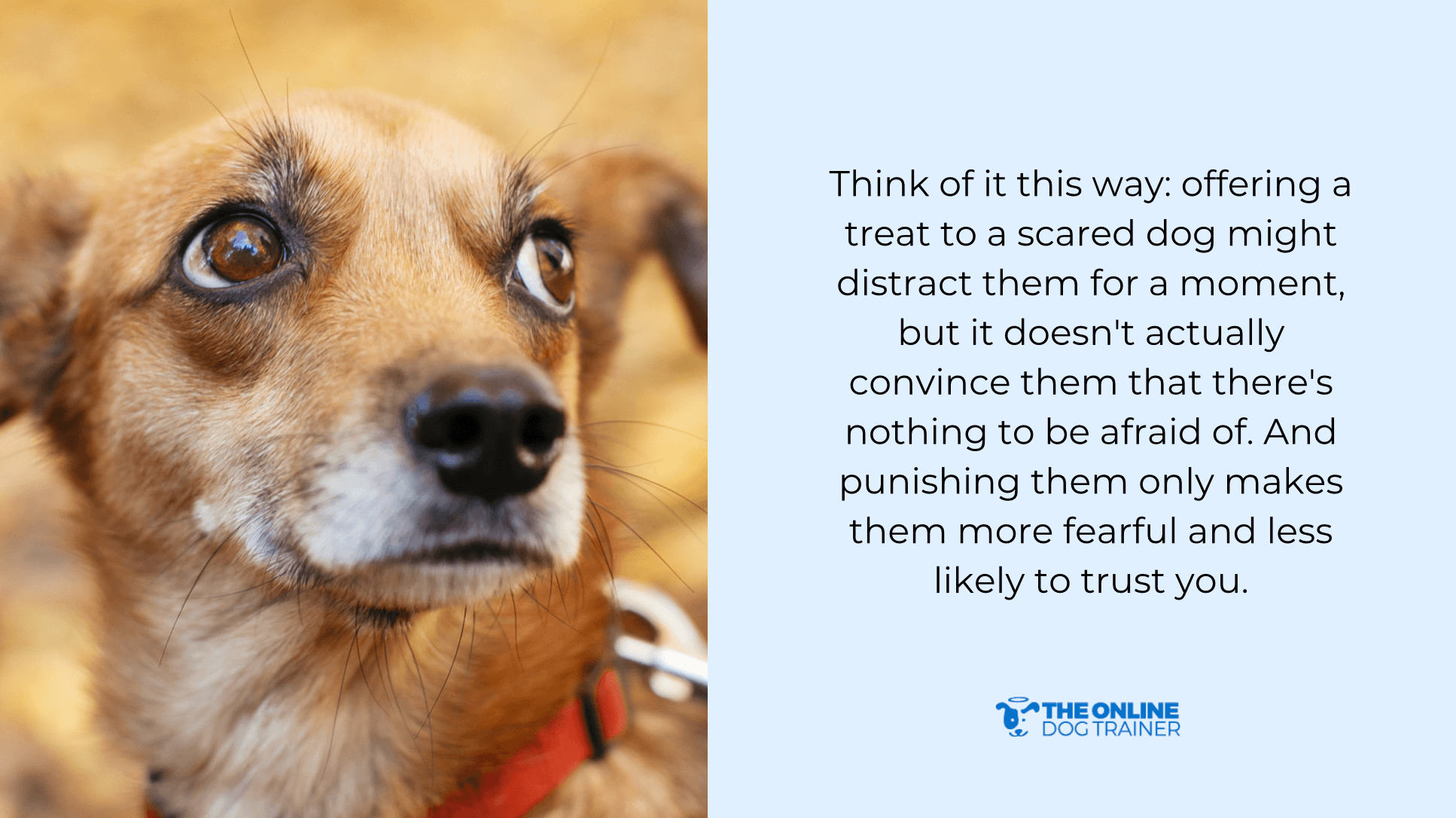
Many common dog training methods focus on rewards or punishments to change a dog's behavior. But with reactivity, these methods often don't work because they don't address the root of the problem: your dog's fear or anxiety.
Think of it this way: offering a treat to a scared dog might distract them for a moment, but it doesn't actually convince them that there's nothing to be afraid of. And punishing them only makes them more fearful and less likely to trust you.
Instead, we need a different approach: loving leadership. This means building a relationship with your dog where they see you as a confident and trustworthy guide. When your dog trusts you to make decisions and keep them safe, they'll naturally look to you for guidance in challenging situations.
This approach takes time and patience, but it's incredibly effective. When you have that trust and connection, you won't need to rely on treats or punishments. Your dog will simply follow your lead because they know you have their best interests at heart.
That's why I'm committed to humane, force-free training methods. Tools like shock collars and prong collars might seem like quick fixes, but they often cause more harm than good. True leadership comes from understanding and connection, not force or fear.
LEARN LOVING LEADERSHIP (FREE WEBINAR)Tracking Progress with the Dog Reactivity Chart
The dog reactivity chart is a valuable tool for understanding and tracking your dog's emotional state. Think of it like a weight loss journey where you regularly check your progress to see how far you've come. The chart helps you monitor your dog's behavior, notice subtle improvements, and stay motivated even when progress is gradual.
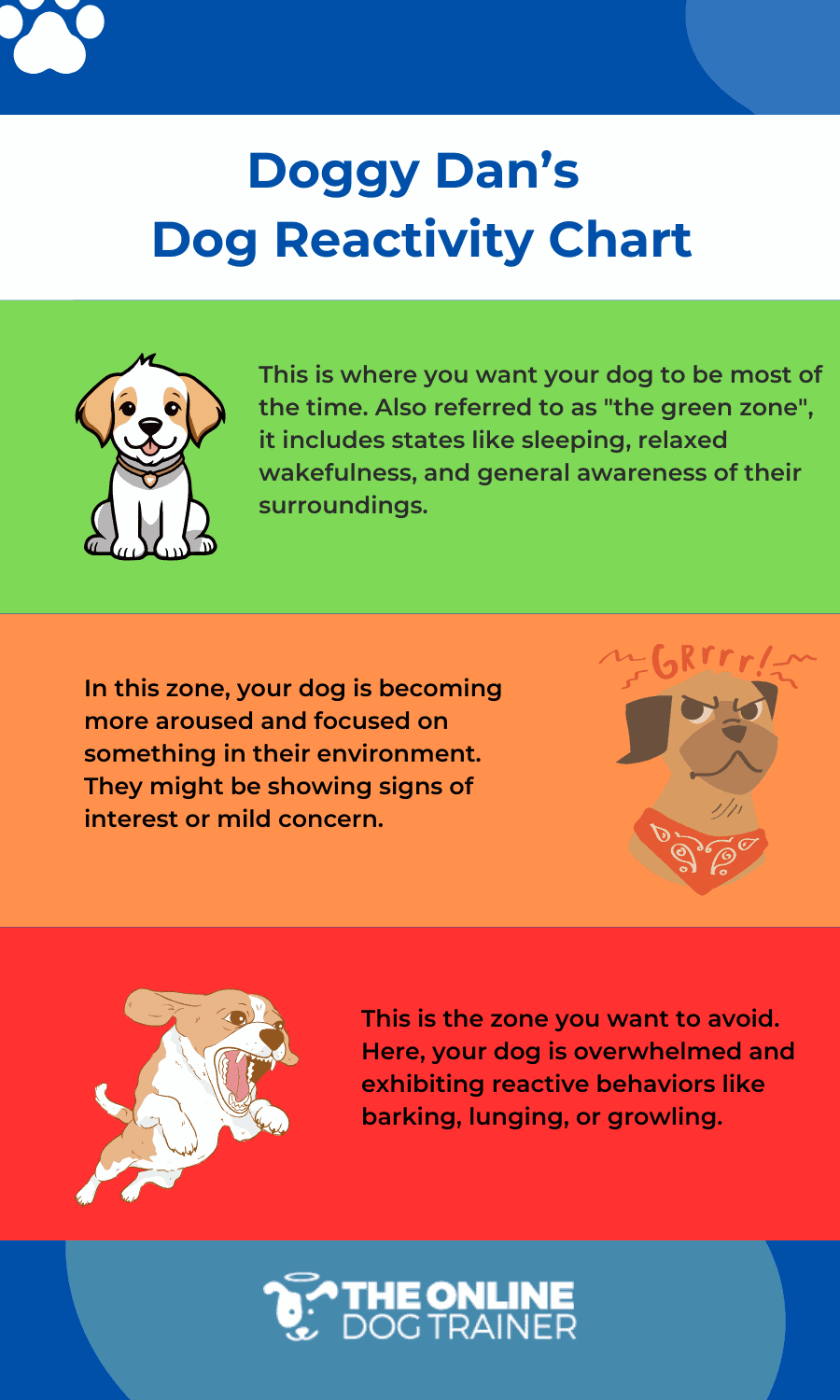
The chart is divided into three main zones:
Calm Zone (Levels 0-3)
This is where you want your dog to be most of the time. Also referred to as “the green zone”, it includes states like sleeping, relaxed wakefulness, and general awareness of their surroundings.
Alert Zone (Levels 4-7)
In this zone, your dog is becoming more aroused and focused on something in their environment. They might be showing signs of interest or mild concern.
Reactive/Aggressive Zone (Levels 8+)
This is the zone you want to avoid. Here, your dog is overwhelmed and exhibiting reactive behaviors like barking, lunging, or growling.
By using the chart, you can learn to recognize your dog's early signs of stress and intervene before they escalate into full-blown reactivity. It helps you fine-tune your approach, stay consistent, and celebrate your successes along the way.
LEARN HOW TO MANAGE DOG REACTIVITYCreating Your Personalized Dog Reactivity Chart
Let's create a personalized reactivity chart to better understand your dog's behavior. Here's how:
- Download and print: Start by downloading and printing a copy of the dog reactivity chart, which ranges from levels 0 to 10.
- Observe and record: Choose a specific situation where your dog tends to be reactive, such as leaving the house or being at the park. Carefully observe your dog's body language and behavior in that situation.
- Assess their energy level: Think of reactivity as your dog's energy level. On a scale of 0 to 10, where 0 is completely calm and 10 is highly reactive, where does your dog fall in this situation? Are they at a 3, a 6, or an 8?
- Identify the tipping point: Pay close attention to what triggers your dog's excitement or anxiety. What exactly causes their energy level to jump? Pinpointing this moment is key to managing their reactivity.
- Aim for gradual improvement: Your goal is to help your dog stay a little calmer each day. By consistently working on keeping their energy level low in those triggering situations, you'll see a positive ripple effect on their overall behavior.
Remember, this chart is a tool to help you become more aware of your dog's emotional state and identify those subtle shifts in their behavior. With consistent observation and practice, you can help your dog stay in the calm zone more often.
STOP REACTIVITY (NO FOOD BRIBES!)Using the Dog Reactivity Chart Effectively
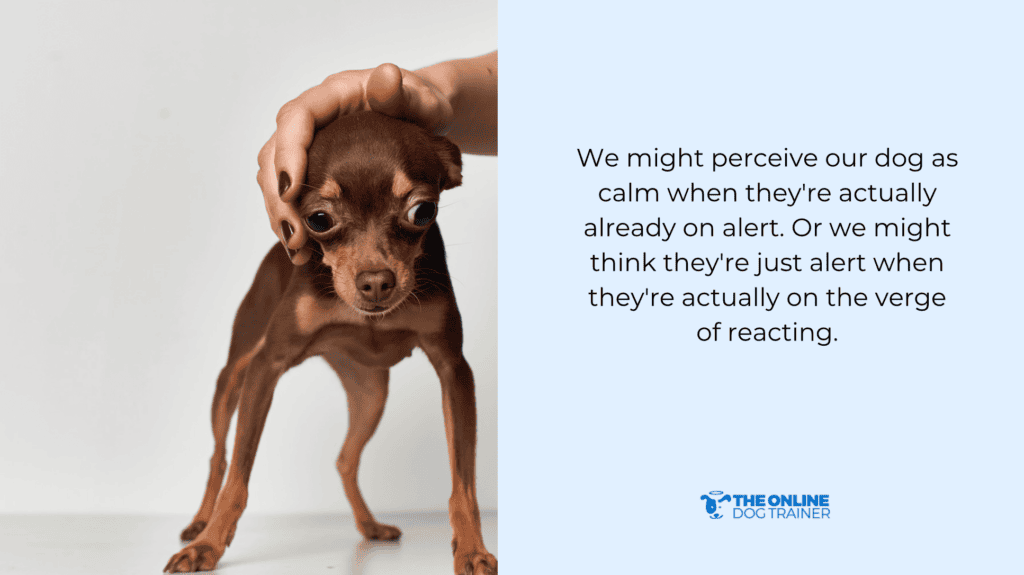
It's important to realize that dogs are often more stressed than we think. We might perceive our dog as calm when they're actually already on alert. Or we might think they're just alert when they're actually on the verge of reacting. This is why the reactivity chart is so helpful – it allows us to tune in to our dog's subtle cues and understand their true emotional state.
Here's a breakdown of the different levels and how to use the chart effectively:
The Reactive Zone (Levels 7-10):
- Why avoid it? When your dog reaches this zone, adrenaline kicks in, making it very difficult for them to calm down. It can take a long time for them to recover, just like it takes us a while to calm down after a near-miss car accident.
- What to do? If your dog reaches this level, it's crucial to create distance from the trigger. Focus on calming yourself first (deep breaths!), then try to gently distract your dog with a toy or a game. You can also try the “stick trick” – crouch down and pretend to be fascinated by something on the ground. Your dog might just come over to investigate and forget about their stress in the process.
The Alert Zone (Levels 4-6):
- What it means: Your dog is becoming more focused and aroused. Common signs to look out for include staring, tracking something with their eyes, or showing signs of tension.
- What to do? Avoid overstimulating your dog with food or excited voices. Instead, reduce stimulation by speaking softly, turning away from the trigger, and increasing distance.
The Calm Zone (Levels 0-3):
- The ideal state: This is where you want your dog's behaviour to be – relaxed, aware, and receptive to you.
- What to do? Maintain a calm demeanor and avoid overwhelming your dog with too much excitement or stimulation. If your dog is sleepy, a small treat can help increase their motivation and engagement.
By using the reactivity chart and understanding these principles, you can help your dog navigate challenging situations with greater ease and confidence.
GET THE DOG CALMING CODE FOR FREEPositive Training Techniques for Reactivity
While positive reinforcement is a popular training method, it's important to use it thoughtfully when working with reactive dogs. Overusing treats or high-pitched praise can sometimes increase excitement and make things worse. Instead, try these approaches:
Tip #1: Calm Redirection
Instead of always reaching for a treat, try simply redirecting your dog's attention. A calm “Let's go!” and a gentle turn in the opposite direction can be surprisingly effective. Remember, your energy influences your dog's energy. If you remain calm and assertive, your dog is more likely to follow your lead.
Tip #2: Desensitization and Counter-Conditioning
This technique involves gradually exposing your dog to their triggers at a safe distance, allowing them to build positive association over time. The key is to take it slow and always stay below your dog's threshold. If you push too far too fast, you risk reinforcing their fear.
My blog post, “Seven Steps to Stopping Any Unwanted Behavior,” provides a detailed guide on how to implement this technique effectively. Remember to closely observe your dog's body language and keep them in that calm zone (levels 1-3, maybe 4) throughout the process. End each session on a positive note, and don't be afraid to quit while you're ahead.
Tip #3: Command Training and Distraction
Using commands like “Sit,” “Stay,” or “Leave it” can help redirect your dog's focus and interrupt their reactive behavior. You can also use toys or games to distract them. For example, ask your dog to “Fetch” or “Hold” a ball, shifting their attention away from the trigger.
By combining these positive training techniques with the insights from the reactivity chart, you can create a personalized plan to help your dog overcome their reactivity and live a happier, more relaxed life.
GET DOGGY DAN'S 5 GOLDEN RULES FOR FREECreating a Calm Environment
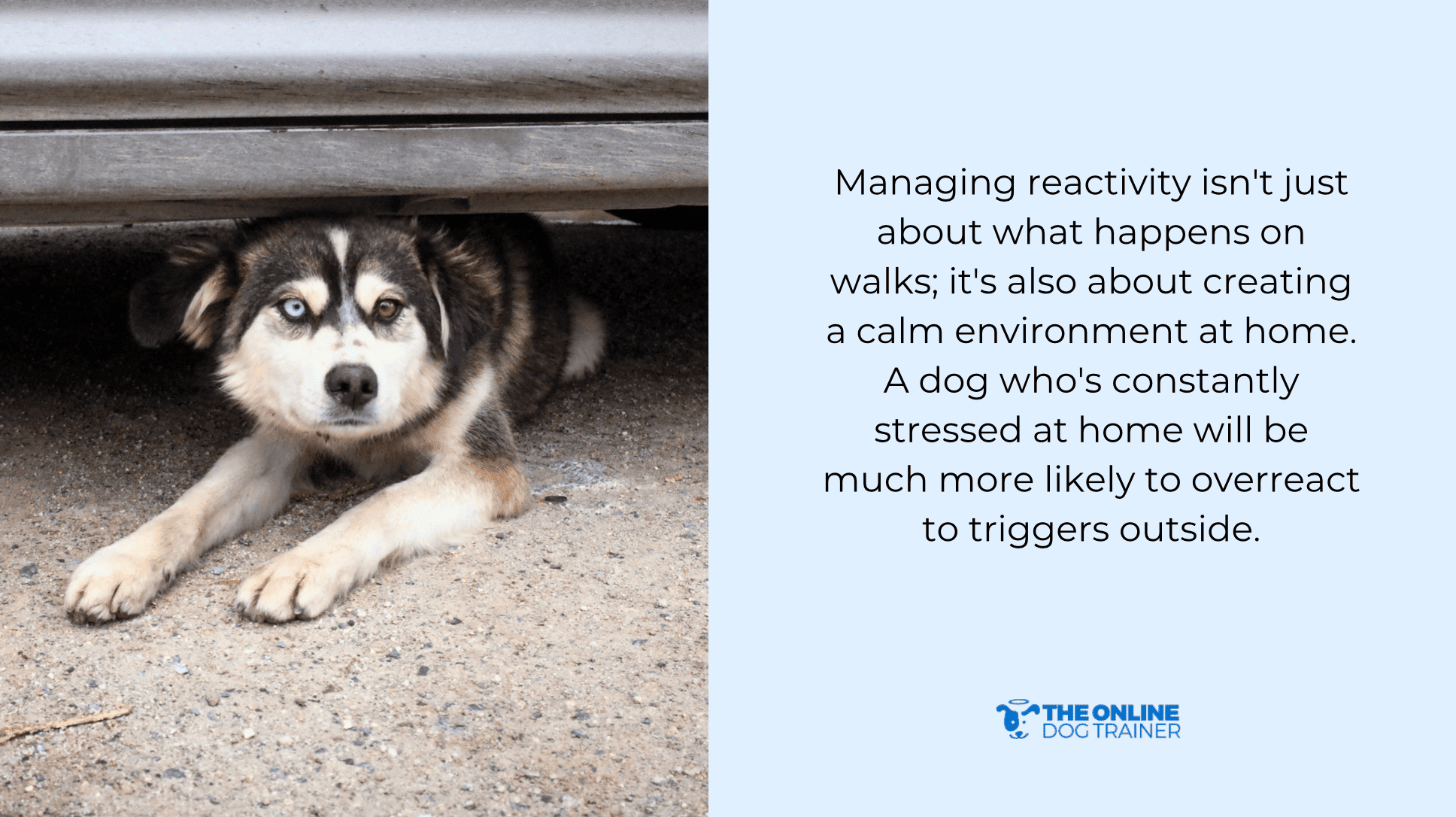
Managing reactivity isn't just about what happens on walks; it's also about creating a calm environment at home. A dog who's constantly stressed at home will be much more likely to overreact to triggers outside.
In my “Dog Calming Code” program, I teach you how to address the root causes of your dog's anxiety and help them truly relax at home. This is crucial because if your dog is already on edge, even minor triggers can push them over the edge.
Why Home Matters
Dogs are pack animals, and they need a clear leader to feel secure. If your dog believes they're in charge, they'll constantly feel the pressure to protect themselves and you, leading to chronic stress. By establishing loving leadership, you give your dog the reassurance they need to relax and let go of that burden.
Addressing Underlying Anxiety
Before you try calming music, pheromone diffusers, or new toys, consider whether your dog might be struggling with anxiety due to a lack of clear leadership. Once you establish that you're in charge, you'll often find that many of those anxieties simply fade away.
Common Mistakes to Avoid
1. Harsh Training Methods:
Avoid using forceful approaches like shock collars or sprays. These methods might seem like quick fixes, but they cause pain and confusion, potentially leading to more fear and aggression in the long run. They also don't address the underlying emotional issues driving your dog's reactivity.
2. Suppressing Communication:
Punishing a dog for growling or barking is like silencing a fire alarm. These behaviors are your dog's way of communicating their discomfort. By suppressing these signals, you risk them escalating to biting without warning.
FREE REACTIVITY CLASSFinding the Right Support
If you're struggling with reactivity, seek guidance from a professional who understands dog psychology and emphasizes loving leadership rather than relying solely on treats or punishment. You can find a list of recommended trainers who use this approach here.
Conclusion
Addressing reactivity requires understanding the underlying causes and creating a calm environment both inside and outside the home. Remember these key points:
- Loving leadership. Your dog has to see that you haveestablished clear leadership to help your dog feel safe and secure.
- Home environment. Create a peaceful space where your dog can relax and de-stress.
- Humane methods. Avoid forceful techniques and focus on building trust and connection.
- Early intervention. Address reactivity before it escalates by keeping your dog below their threshold.
- Patience and consistency. Remember that change takes time. Stay committed to the process and celebrate your progress along the way.
By implementing these strategies, you can help your dog overcome their reactivity and enjoy a happier, more fulfilling life.

~Doggy Dan 🙂