
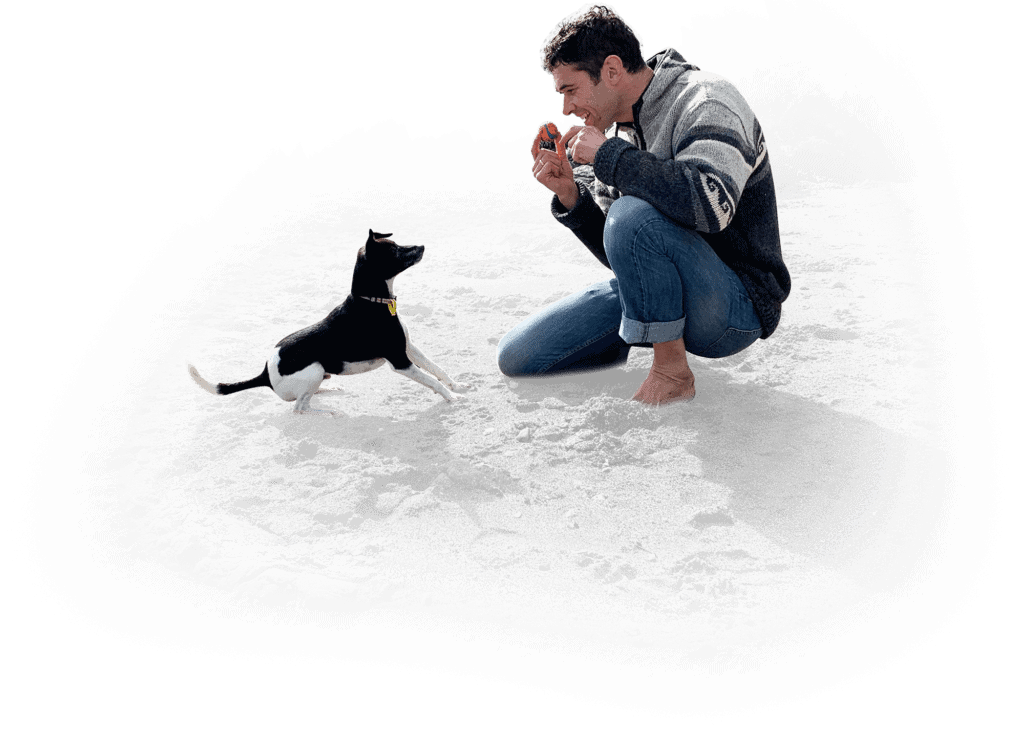
In this blog for puppy and dog owners, I'm talking about how to address puppy barking from the root cause so you can resolve barking issues quick.
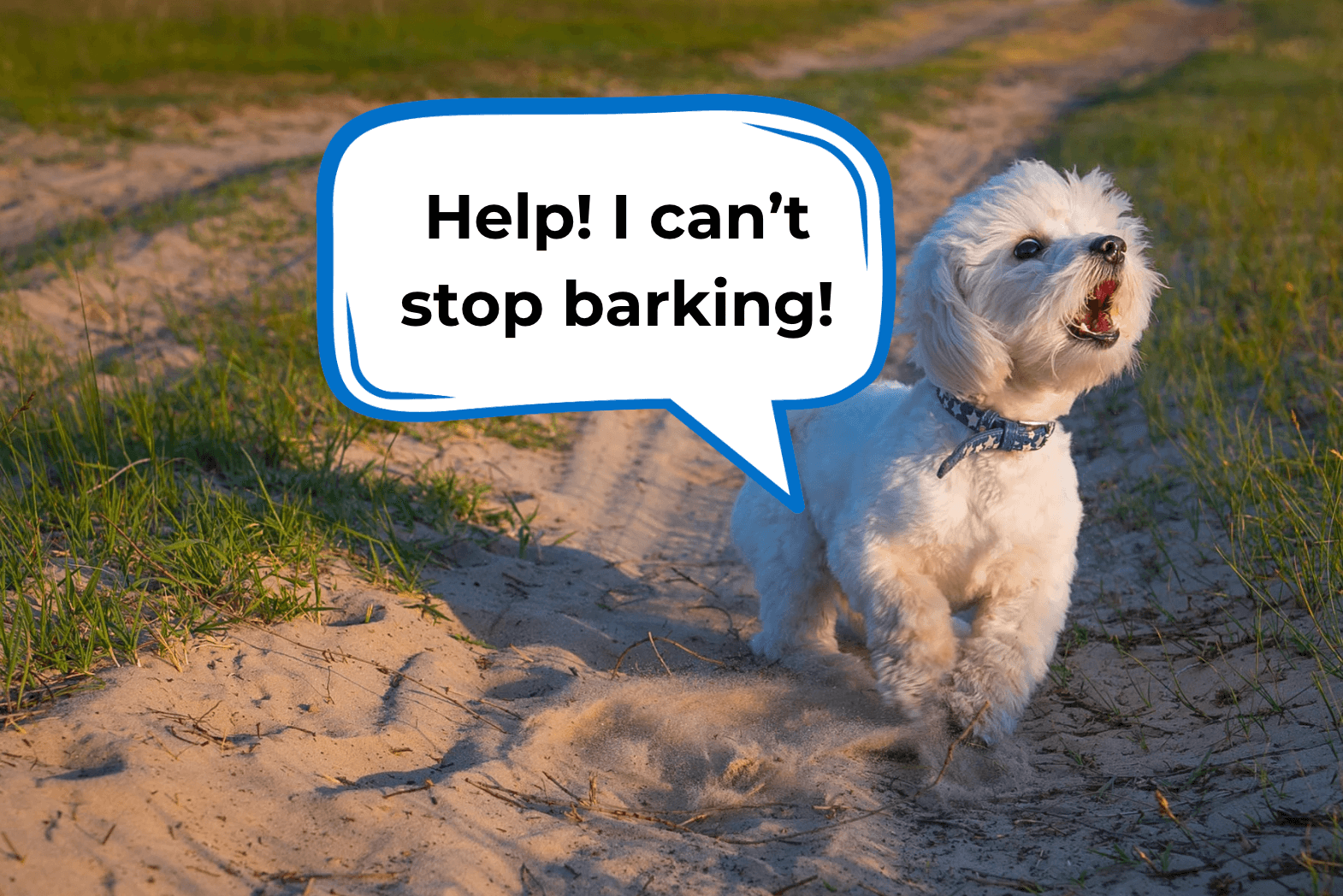
For this topic, I want to introduce the concept and the common concern of puppy barking. Specifically, I'm going to talk about puppies that bark at their owners and the owners becoming very confused as to what's going on.
“Why is my puppy barking? Is my puppy being aggressive? Are they playing? How do you distinguish between the two, and what is acceptable and what is not acceptable? How do you make puppies stop barking?”
Let me first clarify that when it comes to puppy barking, it's not a case of black and white, it is absolutely all shades of gray. It's very, very rare that it's 100%. It's never just 100% playful or 100% aggressive. It's much more likely that it's a bit of a mix between the two.
However, this doesn't mean that you shouldn't be taking action to either stopping the barking or maybe redirecting it somehow.
This blog aims to help puppy owners nip puppy barking issues in the bud so they won't become big dog behavior problems in the future.
Key Takeaways:
- Puppy barking is rarely purely playful or aggressive; it's usually a mix. Understanding this nuance is crucial for appropriate responses.
- Recognizing the why behind the bark is key to effective training. Is it excitement, fear, a need, or a demand? Each requires a different approach.
- Early intervention is vital. Addressing potential barking issues proactively helps prevent them from escalating into bigger problems later.
How to Stop a Puppy From Excessive Barking: The Different Types of Puppy Barking
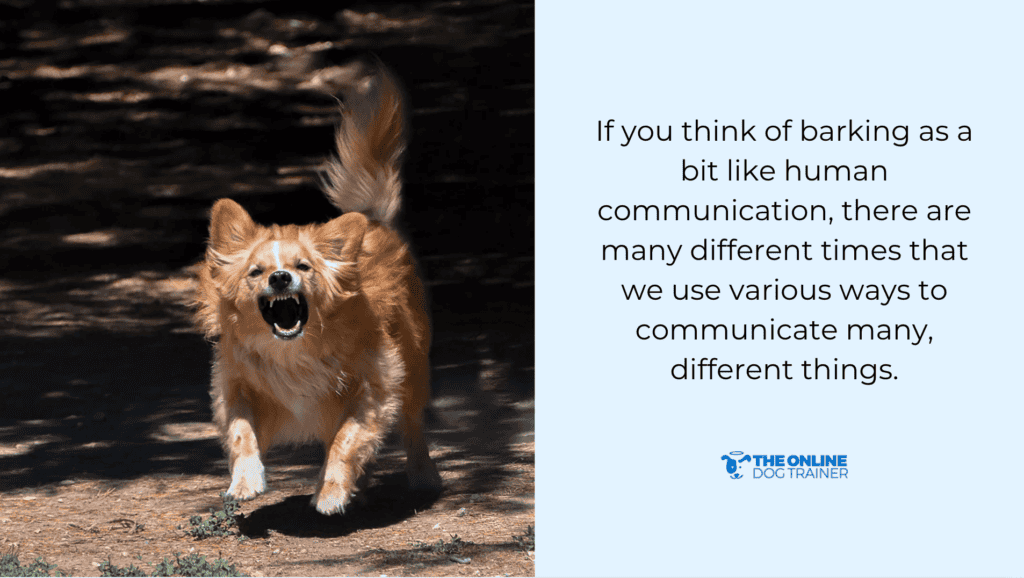
Now, there are many different types of barking, just like there are various ways humans communicate.
If you think of barking as a bit like human communication, there are many different times that we use various ways to communicate many, different things.
The purpose of this article is really to help you differentiate between those different types of barking and understand that a dog who's barking to protect the property is completely different to a dog who's asking you to play or throw the ball again.
Excessive barking can be many things: a dog who's demanding that they be fed now; a dog who's alerting you to some possible danger; puppy who's barking at somebody who's come in the house because they either want attention or they're wanting that person to leave the property; tired dogs who are restless; and dogs who bark when they're scared or they've been left alone.
By the end of this blog, you will be able to distinguish between those dogs who are barking because they're being aggressive towards you or playful, and what you can do to stop a barking puppy from turning into a dog with unwanted behaviors.
Puppy Training: Understanding Puppy Barking
Decoding Dog Barks: Playful Pups vs. Aggressive Growls
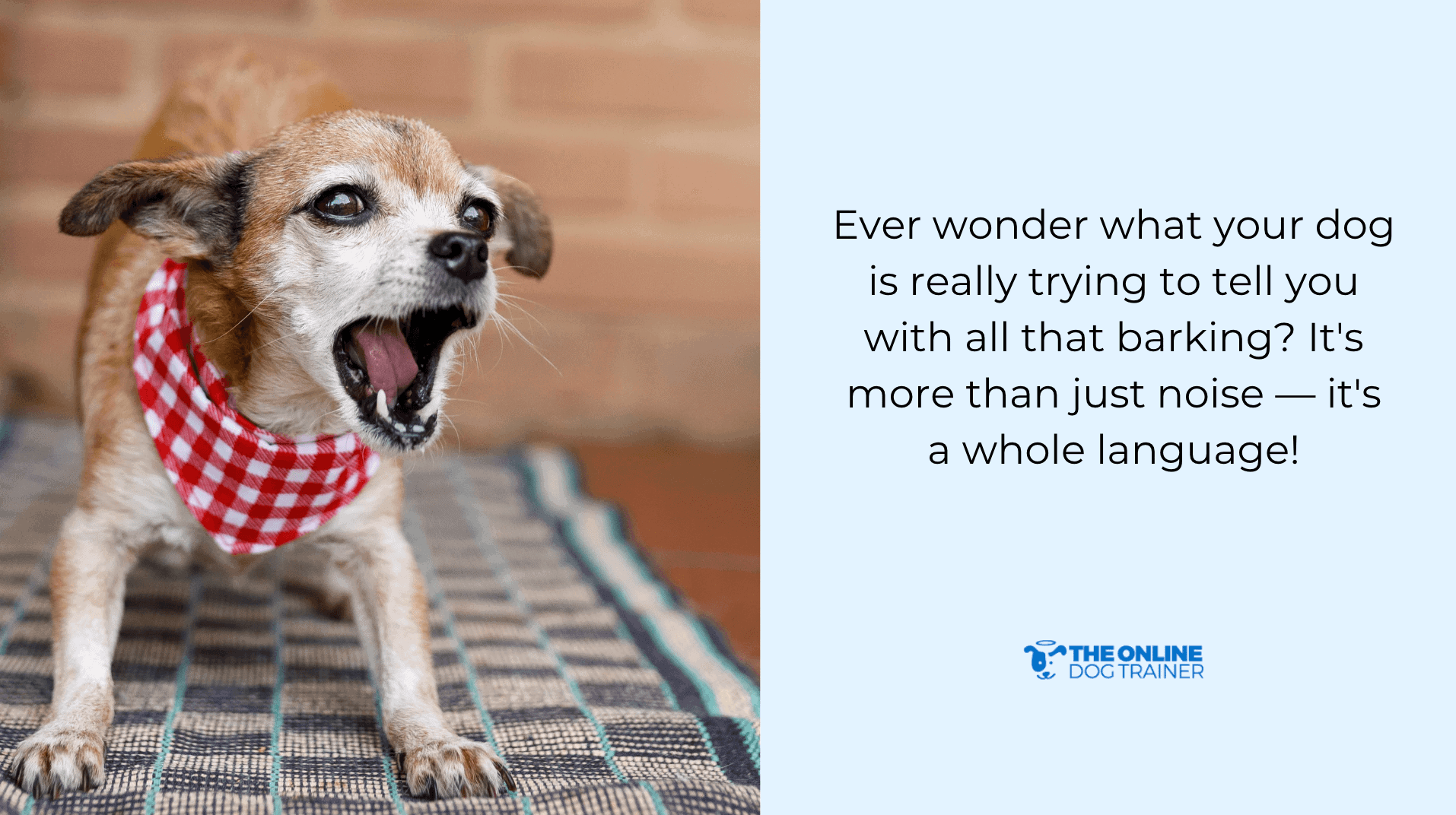
Ever wonder what your dog is really trying to tell you with all that barking? It's more than just noise — it's a whole language! Today, we're diving deep into the world of canine communication, breaking down the differences between playful barks and those that signal something a little more serious.
JOIN FREE PUPPY REACTIVITY CLASS TO STOP EXCESSIVE BARKINGThe Barking Basics: Why Do Dogs Do It?
First things first, barking is a dog's way of expressing themselves. It's how they communicate their emotions, needs, and desires. Think of it as their version of talking! You'll see them use it to:
- Express Emotions:
- It's completely normal for a barking dog to experience a range of emotions from excitement to fear. Barking lets you know how they're feeling.
- Dogs will bark when they are scared, nervous, or excited.
- For example, a dog may bark and back away when a car comes too close.
- Get Their Needs Met:
- A barking behavior can also stem from a dog's need to communicate a need to you. Hungry? Want to play? A bark can get your attention.
- Dogs may bark when they want to be fed.
- They may also bark when they want to be let off the leash.
- Make Things Happen:
- Sometimes, it's about getting you to do something, like throw a ball or open the door.
- Dogs will use excited barks to encourage you to do things.
- Dogs will use demanding barks when they want a specific item.
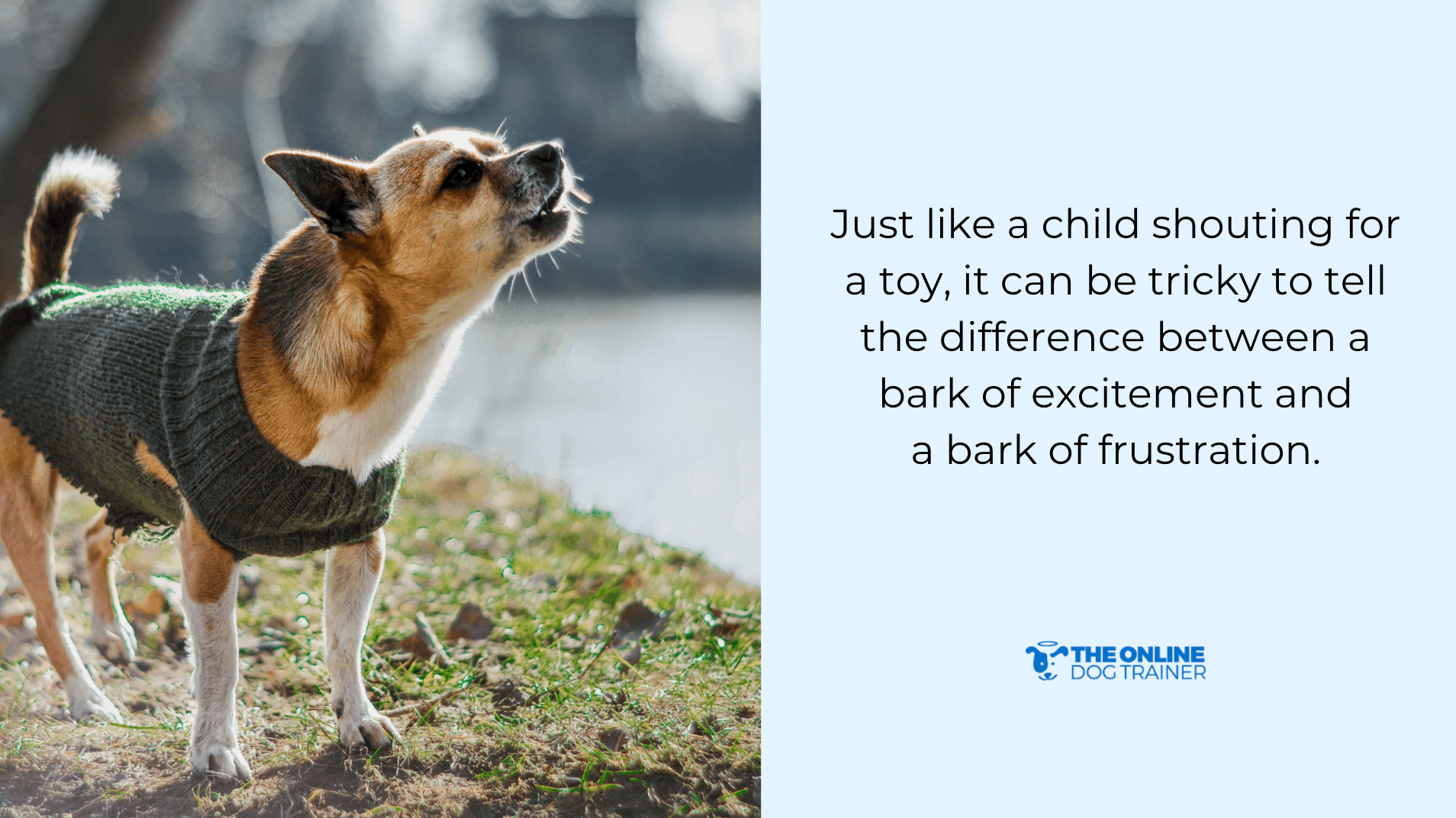
You've probably seen the classic “scared bark” — the kind where your dog backs away, maybe when a car gets too close or a stranger arrives. Then there's the “demand bark” — that repetitive “bark, bark, bark” when they want food or attention. And just like a child shouting for a toy, it can be tricky to tell the difference between excitement and frustration.
Playful Barking: Happy Vibes Only!
So, how do you know when those barks are all in good fun? Look for these signs:
- Happy Body Language:
- A wagging tail (not too high or low, but simply in the middle, wagging left and right).
- A relaxed posture, a general relaxed demeanor.
- Alert, but not wide, eyes (not too wide open and not squinting closed).
- The classic “play bow” (front down, rear up).
- Bouncy, excited movements, jumping around in a happy, excited way.
- Situational Clues:
- Are they barking while you're holding a toy or food? (e.g., a ball or stick).
- Do they want to play with other dogs? (especially if they are on a leash and other dogs are playing).
- Are they begging you to throw a ball?
- Trust Your Gut:
- Seriously, your instincts are often right. If it feels playful, it probably is.
- When asked what is going on, many owners actually know; they just need to trust their own feelings.
- The Sound of Play:
- Higher-pitched barks.
- Short, quick bursts (sporadic barks, like “bark, bark, bark”).
- Accompanied by zoomies and playful jumps (running around very fast, jumping up trying to grab the stick or ball).
- Instant Play:
- If you let them off the leash and they start playing instantly, the barking was likely just because they wanted to play.
- The dog was likely demanding to be let off the leash.
- High Stimulation barking
- If a dog sees other dogs playing, or a ball and can't get to it, they may bark.
- This is not bad, but it needs to be managed before it escalates.
Aggressive Barking: When Things Get Serious
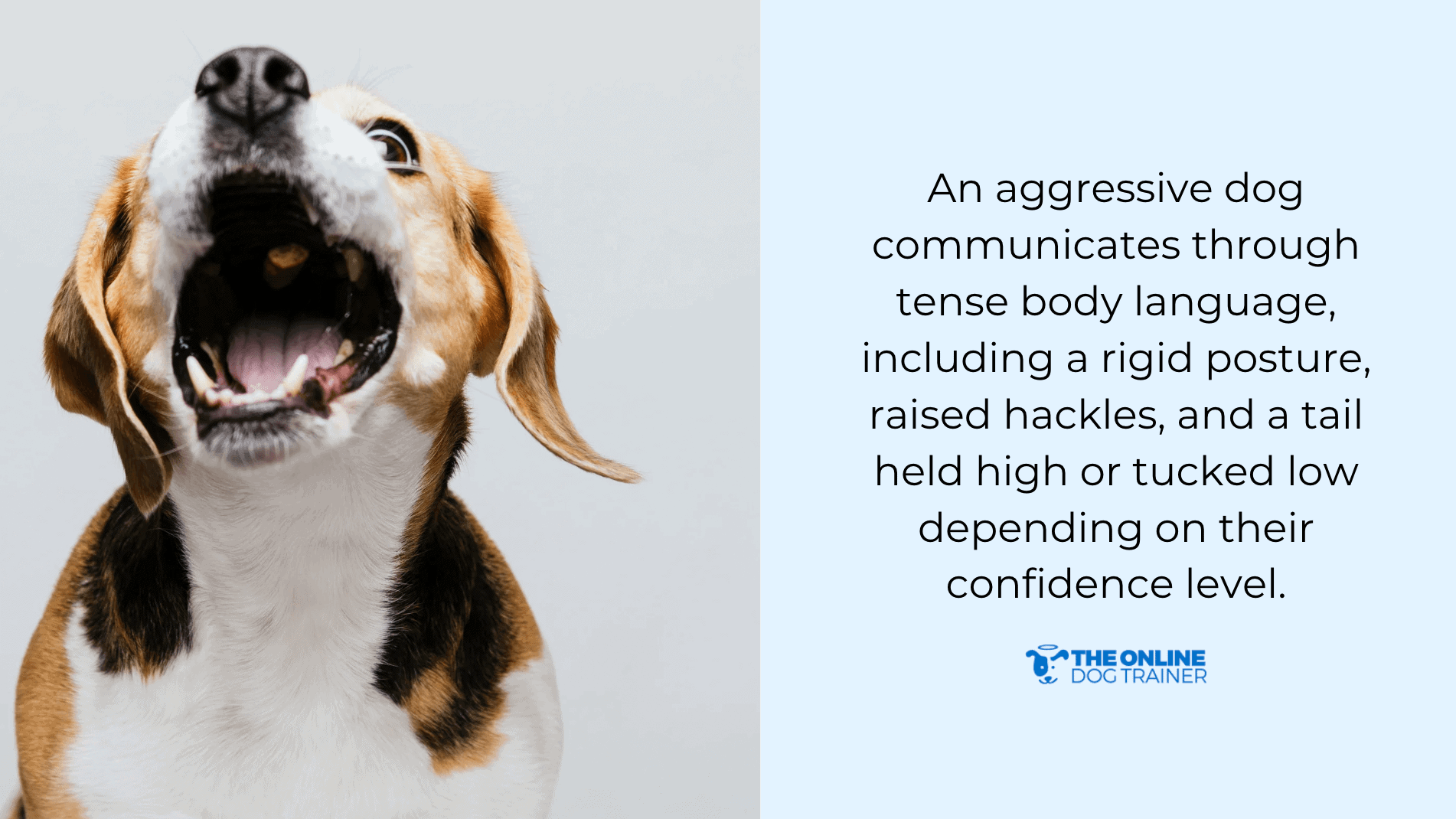
Now, let's talk about the barks that mean “back off.” These are the signs of aggressive barking:
- Stiff Body Language:
- A rigid posture, fixed position.
- A tail tucked or held high, depending on their confidence (tucked for fearful, straight up for confident).
- Raised hackles.
- Direct, intense eye contact (won't turn their back).
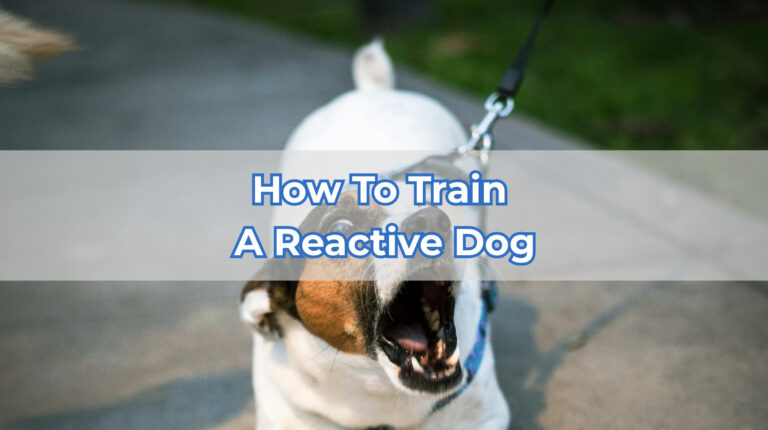
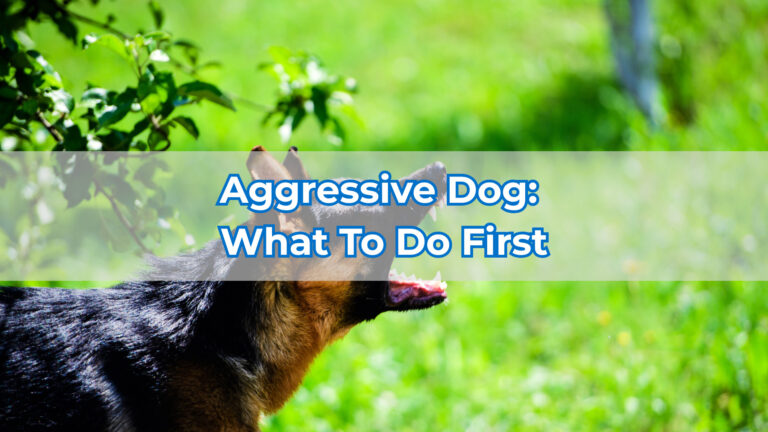
- Teeth showing, snarling, or growling.
- Ears pinned back or forward in an aggressive stance.
- Dogs may dart back and forth, especially if nervous.
- Situational Clues:
- Are they barking at a stranger entering the property?
- Is their behavior unusual, contrasting with their usual friendly greetings?
- Listen to Your Instincts:
- If you feel uneasy, trust that feeling.
- Learn to feel the dog's energy.
- The Sound of Aggression:
- Lower, deeper, and more continuous barks.
- Increasing intensity and frequency (escalates if the threat persists).
- Lunging and snapping (mouth moving in a snapping fashion).
Remember: Context is Everything
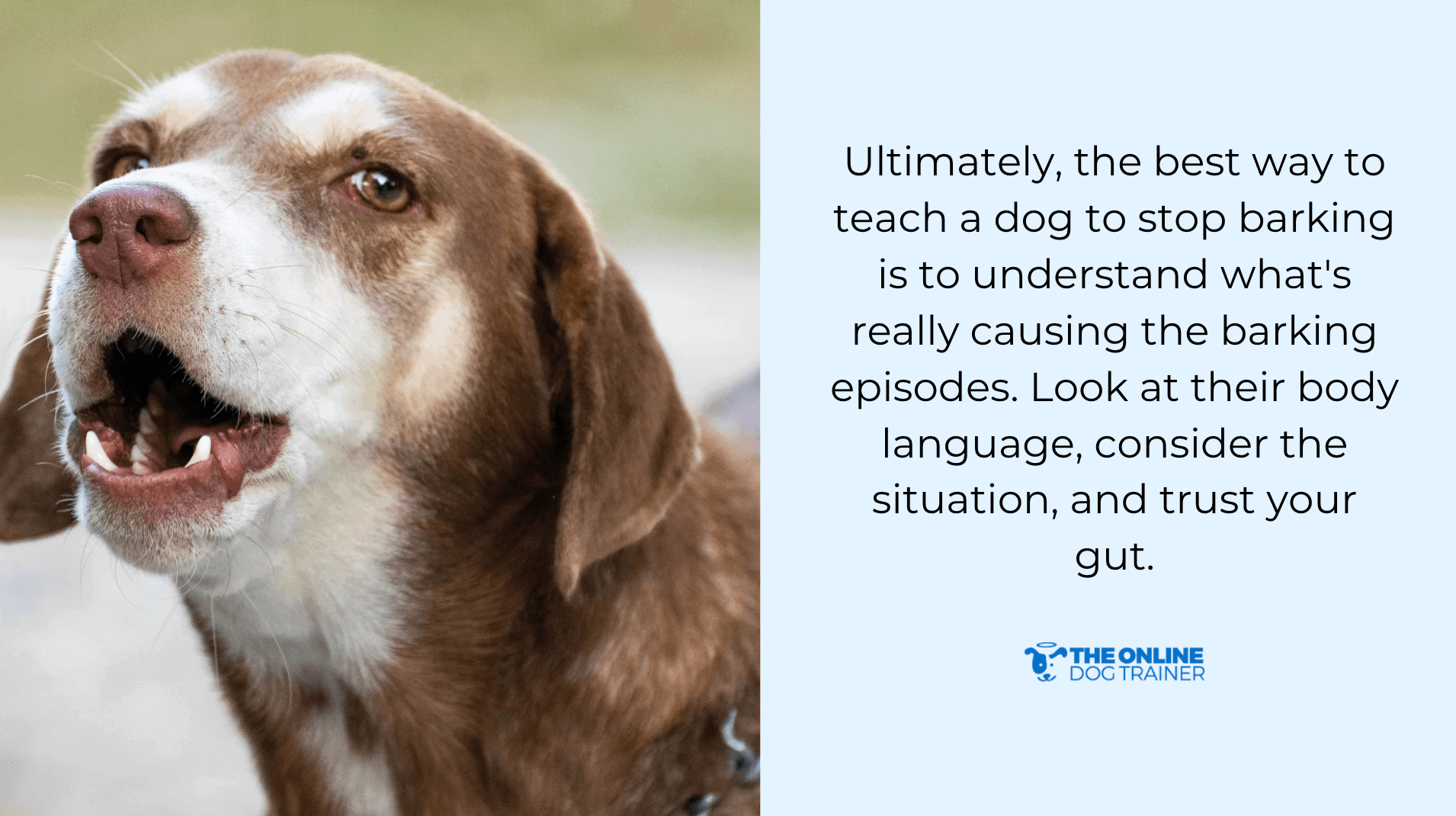
Ultimately, the best way to teach a dog to stop barking is to understand what's really causing the barking episodes. Look at their body language, consider the situation, and trust your gut. By learning to “speak dog,” you'll build a stronger bond with your furry friend, and you'll know which training tips will work for your puppies and dogs.
Possible Reasons for Aggressive Barking
Let's dig into why some dogs resort to aggressive barking. It often boils down to fear and a misguided sense of leadership:
- Fearful Guardians:
- Dogs who bark aggressively often feel they're in charge and need to make decisions to protect their “pack.”
- They might misinterpret situations due to fear, like a pizza delivery person arriving at night.
- Puppies and dogs take on your energy, too, so if you fret a lot, they will feel fear as well.
- Separation anxiety also plays a part in influencing your dog's barking problems.
- Lack of Clear Leadership:
- If your dog thinks they're the boss, they'll act on their own instincts, which can lead to fear-based aggression (in nervous dogs) or confident aggression (in bolder dogs).
- Establishing yourself as the leader is crucial, so your dog looks to you for guidance instead of reacting on their own.
- “Disciplining” the Pack:
- A dog who believes they're in charge might bark or even snap at you if you do something they don't like. This is their way of “disciplining” you within their perceived pack hierarchy.
- This highlights the importance of establishing clear leadership to avoid such conflicts.
- Overexcitement and Frustration:
- Sometimes, a new puppy or a dog can get overly excited during play (especially high-energy breeds) and become frustrated if the excitement is abruptly stopped.
- This can lead to accidental aggressive barking or nipping as they try to maintain the excitement.
- Lack of Socialization and Training:
- Dogs who haven't been properly socialized or trained may react aggressively due to confusion or fear in new situations.
- They might not understand the difference between play and a threat.
Important Note: If your dog is showing aggression towards you, it's crucial to address this immediately. Growling or barking aggressively at you signals a dangerous situation where your dog is challenging your authority. Seek professional help to re-establish a safe and healthy dynamic.
THIS FREE CLASS WILL HELP YOUR DOGS DITCH REACTIVITY FOR GOOD!More Reasons for Those Aggressive Barks
Not Understanding Your Dog
Think of it like a child who gets overly hyped up and then has a meltdown when things stop. If your dog gets super excited during play and you suddenly take away the toy or stop the game, they might bark or nip out of frustration.
Dogs Who Are Not Exposed to Different People and Situations
Pups bark when they don't have enough experience with different situations; people and other dogs may react aggressively out of fear or confusion. They might not understand what's happening and resort to aggression as a defense mechanism.
FREE CLASS TURNING BAD DOG BEHAVIOR INTO CALM COMPANIONSHIPHow to Respond to Playful vs. Aggressive Barking
Knowing how to respond to different types of barking is key to managing your dog's behavior and reducing barking overall.
Playful Barking:
- Nip it in the bud: While playful barking can be cute, it's important to set limits early on, especially if your dog tends to get carried away.
- Calm them down: If things get too rowdy, use calming techniques like timeouts (indoors), quick breaks on their dog bed, or leash-controlled walks in circles (outdoors) to help your dog regain focus.
- Distraction and training: You can also try distracting your dog with a toy or engaging them in command training to redirect their energy. You can also use mental stimulation and exercise through games.
- Manage excitement levels: Just like with kids, it's easier to calm things down before they escalate. Step in when your dog's excitement reaches a 6 or 7 out of 10 rather than waiting for a full-blown frenzy.
Aggressive Barking:
- Establish leadership: The foundation for addressing aggressive barking is establishing yourself as the pack leader. This gives your dog a sense of security and guidance.
- Remain calm: If your dog barks aggressively, stay calm and avoid shouting, which can escalate the situation.
- Manage the environment: Control the situation by removing triggers, using screens or curtains, or putting your dog in a separate room until they calm down.
- Distraction and training: You can try distracting your dog with a toy or engaging them in command training, but this might be less effective without a solid foundation of leadership.
When to Be Concerned and Seek Professional Help
- Growling and Barking at You: If your dog growls or barks aggressively at you, it's a serious sign that they're challenging your authority. This needs immediate attention to prevent further escalation.
- Nipping or Biting: Any nipping or biting, even if accidental, indicates a need for professional help to assess the situation and address the underlying causes.
Don't Hesitate to Seek Help
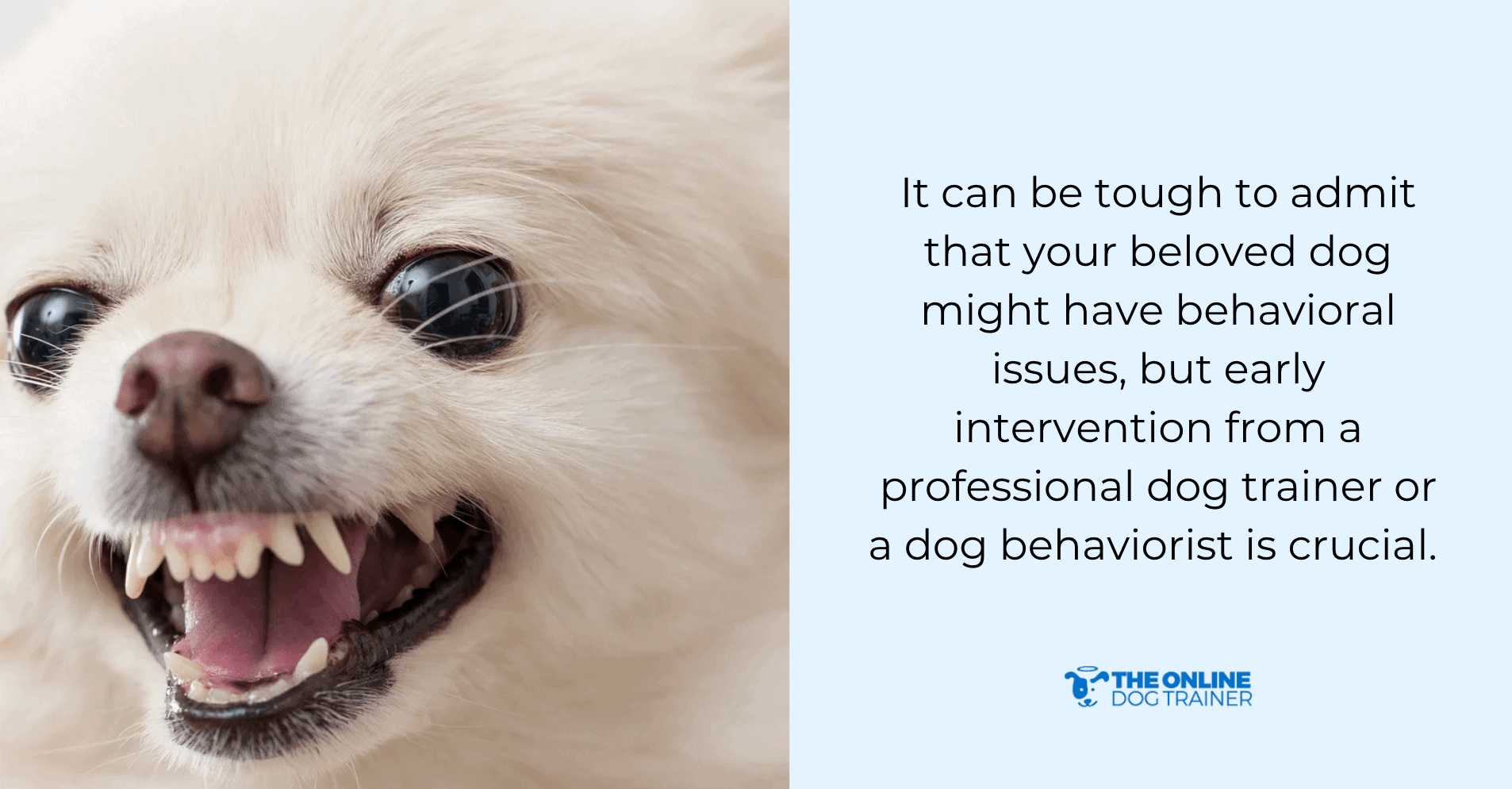
It can be tough to admit that your beloved dog might have behavioral issues, but early intervention from a professional dog trainer or a dog behaviorist is crucial. A qualified trainer or behaviorist can help you understand your dog's behavior and develop a plan to modify it.
Remember, a well-behaved dog is a happy dog, and a happy dog means a happy home!
Conclusion
Distinguishing between playful and aggressive barking takes practice. It's not always immediately clear, which is why a video clip can be invaluable for accurate diagnosis. Playful barking is usually accompanied by a wagging tail, bouncy movements, and a high-pitched tone. Aggressive barking, on the other hand, is marked by tension, a fixed posture, and a deep, guttural sound, often with growling or bared teeth.
If your dog has snapped, barked demandingly, or shown signs of aggression, immediate intervention is crucial. Employ The Dog Calming Code or seek expert help. This isn't just a behavioral quirk; it's a potential escalation. Within days or weeks, a dog who believes they're in charge might redirect aggression towards someone else, seeing it as their duty to protect you and their territory. This is a hazardous situation.
Fortunately, most barking issues can be resolved with patience, consistency, and a clear understanding of the underlying causes. However, simply addressing the symptoms with positive reinforcement is often insufficient. It's essential to tackle the root problem: the dog's belief that they hold the dominant position.
When in doubt, trust your instincts. What do you feel your dog is trying to communicate? Often, owners sense their dog's unease, their demanding behavior, or their frustration. While excitement might be mistaken for aggression, it's vital to recognize the difference. If you sense things aren't improving, don't hesitate to seek professional guidance sooner rather than later.
With the right steps and strategies, you can stop your puppy's excessive barking behavior.

~Doggy Dan 🙂





2 Responses
I just joined and have one specific problem. I have a 5/6 year old Great Pyrenees who was a stray. I have had him for 4 years or so. A while back he saw a golf cart (which was never a problem) with the owners running their dog beside the cart. That seemed to be a real trigger. When he sees a golf cart he thinks there is a dog running beside it. He barks and pulls when he sees a cart which is tough on me since he is a 100 lb. dog and I am 78, but pretty strong! I try to get away from the road to give distance but sometimes it comes too fast and I don’t have the time. I am not sure what to do when he gets ramped up. Any help would be appreciated.
We need to help him switch off and desensitise him to the carts. Unfortunately, I can not respond to every training question. However, if you sign up for one of my programs, there’s a forum within the program, which is the best place to post questions. One of our very experienced trainers, will then give you a detailed response. There’s also a lot more training content within. You can get in touch with the help desk or check the programs out yourself at https://www.theonlinedogtrainer.com to find out more. Cheers Dan