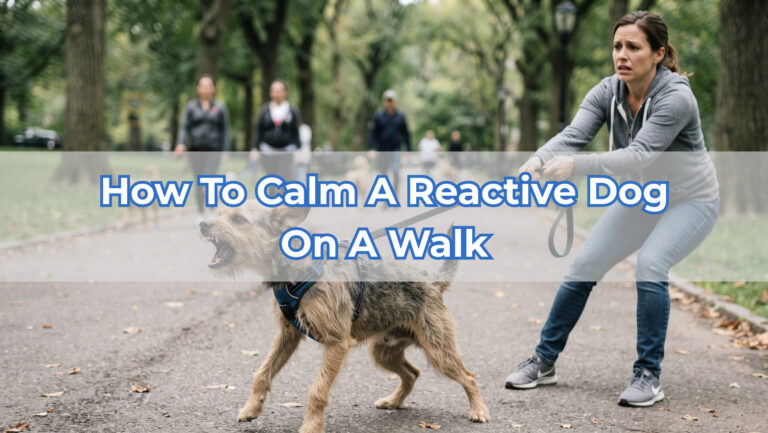
When a dog’s aggression escalates out of control, two urgent questions usually follow: Do I need to rehome my dog, and how do I actually stop this behavior? The short answer is that rehoming is rarely required. Stopping severe aggression isn’t about harsher control but about pinpointing the root trigger and retraining the emotional response behind the behavior. I’ve guided thousands of exhausted, terrified owners through this exact crisis, and the answer to stopping aggression always starts the same way: once you understand what makes an aggressive dog, you get clarity on what to do.
If rehoming is on your mind right now, you are not considered a failure. It’s a harsh reality that aggression is terrifying and confusing. The hopelessness can be overwhelming, especially when you’ve tried everything you can think of, and nothing has worked. The exhaustion, fear, and insecurity are real. The heartbreak of wondering if your once-loving dog has somehow turned into a danger is very, very real.
I’ve sat with owners who’ve made the decision to rehome, and I’ve respected that choice. Sometimes, safety genuinely demands it.
But here’s what I’ve also witnessed with my own eyes: I’ve seen dogs that were one week away from euthanasia transform into calm, tolerant animals. I’ve watched owners go from devastated to hopeful to amazed, all within a matter of weeks. The difference wasn’t a new dog. It was a new understanding of why the aggression was happening in the first place.
That’s what this article is about. There will be no judgment or guilt, but lessons and strategies grounded in what actually works and what brings hope.
FREE WEB CLASS THAT’LL TEACH YOU THE BEST DOG TRAINING FOR REACTIVE DOGSKey Takeaways
- Aggression is a symptom of a leadership gap. Dogs become aggressive when they believe they’re responsible for making decisions and protecting the pack. The root cause is almost never the dog being “bad.” It’s stress from carrying a job that was never meant to be theirs.
- The Dog Calming Code™ addresses the cause, not just the behavior. Establishing yourself as a calm, consistent leader through the Five Golden Rules shifts your dog’s entire nervous system from hypervigilance to trust. When your dog stops believing they’re in charge, the aggression often settles without direct intervention.
- Early intervention and consistency are everything. Aggression that goes unaddressed tends to escalate, not improve. The sooner you establish leadership and the more consistently you maintain it, the faster and more completely your dog can recover, even in adult dogs.
The Story of Max: A Dog Almost Rehomed
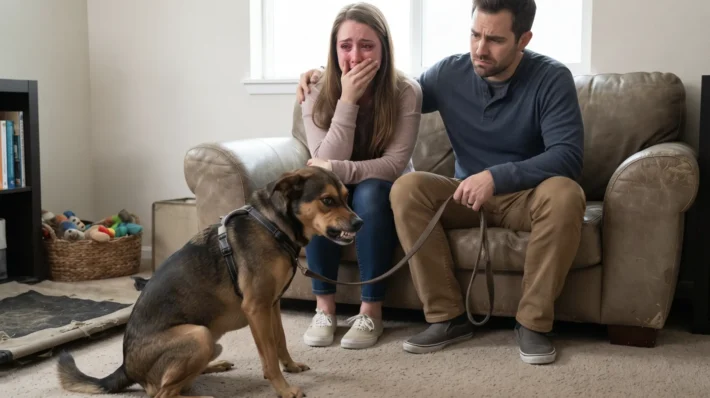
Max was a three-year-old Golden Retriever, the breed that’s supposed to be friendly and easygoing. But Max had become a different dog when he started lunging at other dogs on walks. He also started snapping at strangers who came to the door. Worst of all, he’d shown aggression toward the family’s young daughter during a moment of excitement, and that was the moment everything changed for his owners.
When I first heard Max’s story, his owners had already scheduled a consultation with a rescue organization. They were looking at rehoming options. They loved Max, but they couldn’t live with the fear of living with an aggressive dog. They had a child to protect.
Here’s what I asked them: “Has anyone explained to Max that he doesn’t need to be in charge?”
They looked at me, confused.
That confusion is where most owners are stuck. They see aggression as a personality flaw, a behavioral problem that needs to be trained away. What they don’t see is the root cause: Max believed that every decision—who came through the door, who walked past on the street, even how the household ran—was his responsibility.
The weight of that job was crushing him. And it was manifesting as aggression.
I worked with Max’s family on something very specific: establishing themselves as the calm, capable leader Max desperately needed them to be. We didn’t do it through force or punishment, but through five simple daily practices that communicated one clear message: “We’ve got this. You don’t have to be in charge anymore.”
Within two weeks, Max was different. Within a month, he was almost unrecognizable, not because his personality had changed, but because the constant stress and responsibility had been lifted off his shoulders.
Max stayed with his family. His owners got their dog back. His little sister got her best friend back.
And it all happened because someone showed them what was really going on.
Common Reasons Dogs End Up Being Rehomed
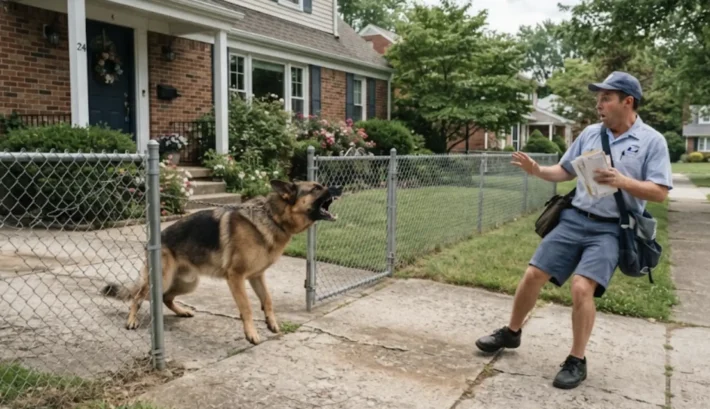
Aggression is almost always the reason owners start thinking about rehoming. But aggression itself isn’t the root cause; it’s actually just the symptom. Understanding what’s actually driving sudden aggressive behavior is the most crucial step towards your dog’s transformation.
Aggression With A Real Safety Risk
This is the big one. Your dog can be lunging at children. You may have a large dog and a small dog or puppy living together with escalating tension. There have been bites that broke the skin. These situations demand immediate attention and careful management. Safety always comes first.
An Overwhelmed Owner
Life gets heavy from so many changes. A new baby, a job loss, a house move, financial stress, health problems — these are stressors that can overwhelm dog owners. Some owners reach a breaking point where they genuinely don’t have the bandwidth to work through a dog’s behavioral issues. This is real, and it’s valid.
Stress That Builds Up Unnoticed
Changes in the home environment, tension between family members, a move to a new house… all of these can add stress on top of a dog until their threshold for managing situations drops significantly. What used to be manageable suddenly isn’t.
Problems That Feel Unfixable But Share A Single Root Cause
Separation anxiety.
Fighting between dogs in the same household.
Aggression toward people or other animals.
These all look like different problems. But they almost always trace back to one thing: a dog who believes they’re the pack leader at home, responsible for keeping everyone safe.
These all look like different problems. But they almost always trace back to one thing: a dog who believes they’re the pack leader at home, responsible for keeping everyone safe.
When you don’t understand the root cause, you chase symptoms. You try to train away the barking without addressing why the dog feels they have to bark. You try to manage the lunging without understanding that the dog thinks it’s their job to protect you. And nothing works because you’re addressing the surface, not the foundation.
JOIN OUR FREE CLASS AND LEARN THE BEST SELLING DOG CALMING DOG™ FOR FREESigns Your Dog Still Has Hope
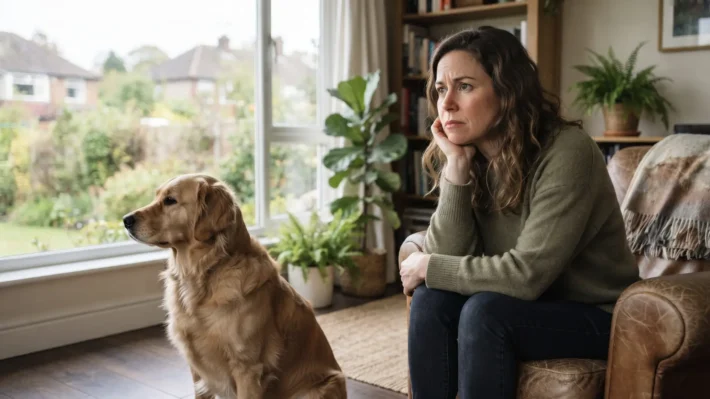
Here’s what I need you to hear: unless your dog has a specific medical issue or an extreme behavioral profile (which is roughly one in a couple of hundred), your dog can change.
Dogs Change Quickly When The Message Changes
I worked with a Rottweiler that was close to being euthanized.
Within days of the owner shifting their approach to calm, gentle leadership, the dog began improving. A month later, he was “so much better.” The dog didn’t become a different animal. He became the dog he could have been all along, the moment the pressure was lifted.
Dogs Relax Once You’re Calm And Clear
I’ve watched lunging, fearful dogs settle within minutes once the owner stopped being tense and started being clear. It’s not magic. It’s just what happens when a dog finally feels like someone else is in charge, not them!
Tolerance Grows
After a bite incident, I followed up with one family over a year later and found a “different dog, very, very tolerant.” Because of a change in training strategies and a big shift in the leadership dynamic at home, it’s not just aggression that stopped. The dog’s entire emotional baseline had shifted because they no longer felt responsible for protecting everyone.
The Opportunity To Change Is Always There.
If your dog is eating, sleeping, and showing moments of softness or affection, there is hope. The dog who is genuinely unreachable is exceptionally rare.
Why Most Dog Training For Aggressive Dogs Fails
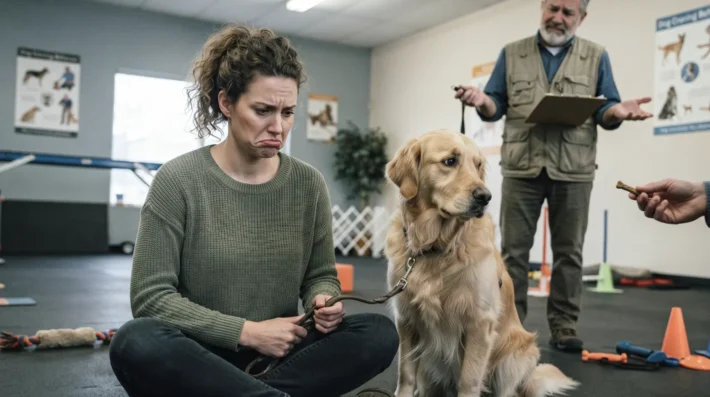
If you’ve already tried training and it didn’t work, I want you to understand why. Because the reason is almost never that your dog is “unfixable.” It’s usually one of these:
If you’ve already tried training and it didn’t work, I want you to understand why. Because the reason is almost never that your dog is “unfixable.” It’s usually one of these:
The Foundation Isn’t In Place
Most trainers jump straight into specific techniques like teaching a dog not to lunge, managing the reactivity on walks, or working with triggers.
But if the dog doesn’t see you as the calm leader first, all of that training is built on sand. It’s like trying to bail out a boat without plugging the hole. The water just keeps coming back.
Steps That Are Too Big Or Rushing
Impatience sets everyone up to fail. A dog needs to build confidence through small wins, not be pushed into situations they’re not ready for. Remember, helping a dog out of their aggressive tendencies is like running a marathon, not a sprint.
Inconsistency
One person in the home is doing the training while another person lets the dog have whatever they want. Different rules on different days. Mixed messages. Dogs need clarity. Inconsistency muddies the water.
Training While The Dog Is Stressed
Trying to teach a dog not to react to triggers when they’re already at a ten out of ten on the stress scale is a recipe for failure. They are in no headspace to listen. Pushing them to do something while they’re extremely overwhelmed and agitated will make them lose their trust in you.
Being Too Soft Or Too Harsh
Using force will make dogs fear you, not respect you. Being too soft will also not fix a dog’s belief that you’re not their leader. Neither extreme creates real change. You need calm, consistent clarity, not permissiveness and not force.
Half-doing The Rules
Most owners who feel stuck aren’t skipping everything. They’re doing three rules well and half-doing the other two. And the dog notices. The inconsistency becomes its own problem.
OUR FREE WEBCLASS WILL CHANGE YOUR DOG'S BEHAVIOR FOR GOODThe Training Strategy That Actually Stops Rehoming
Here’s the order of priority, and it matters:
Step 1: Keep everyone safe first.
If there’s a real aggression risk, especially with children involved, safety management comes before everything else. A muzzle isn’t a fix… it’s a safety net that allows you to train without the constant fear.
Step 2: Put the foundation in place.
This is the foundation established by the Dog Calming Code™ and the Five Golden Rules. The program doesn’t focus entirely on tricks and commands. It helps you become the leader your dog needs every single day, in every interaction. This is where the actual change begins.
Step 3: Add the specific work.
Once the foundation is holding, you can layer in the specific lessons for reactivity and aggression. The dog is now in a headspace where they can actually learn and respond.
Step 4: Go at your dog’s pace.
Small steps. Celebrate small wins. No rushing.
Give all five rules at least two weeks of consistent implementation by everyone in your home. After that, you’ll know whether you’re moving in the right direction.
Why the Dog Calming Code™ Can Stop You From Rehoming
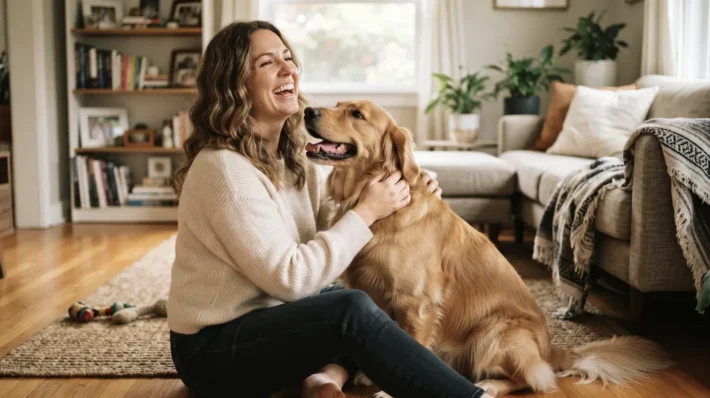
Here’s the truth that changes everything: aggression is almost always rooted in a dog believing they’re the pack leader. They think they have to make the big decisions. They think they’re responsible for protecting everyone. They think they have to assess every threat and respond to every danger.
That’s an enormous job. It’s exhausting. It’s stressful. And it manifests as aggression.
The Dog Calming Code™ communicates one clear message through five daily practices: “I’ve got this covered. You don’t have to be in charge anymore. You can relax.”
When a dog genuinely receives that message—and when they stop believing the job is theirs—the aggression often settles on its own. Not because you’ve trained it away, but because the stress underneath has been lifted.
The same root cause drives separation anxiety, fighting between dogs in the home, and reactivity on walks. Fix the cause, and the symptoms often follow.
BRING BACK THE CALM TO YOUR HOUSE: JOIN THIS FREE REACTIVITY CLASSHow to Train Using the Dog Calming Code™
The Five Golden Rules work together. There are no shortcuts, and there are no favorites. Here’s what each one does:
All five rules work together. Everyone in the home does all five. No exceptions, no shortcuts.
The Psychology Behind the Five Golden Rules: Understanding the Deeper Why
Rule 1: Control of Resources = Perceived Leadership
Food is ESSENTIAL. In the canine world, whoever controls the most vital resource is the one in charge. When your dog watches you eat first, when they see you decide when food arrives and when it disappears, their brain registers one clear message: you are the decision-maker about survival itself.
This isn’t about dominance in an aggressive sense. It’s about your dog’s nervous system receiving biological confirmation that someone else has assessed what’s safe to consume, when it’s safe, and how much. That assessment and that responsibility shift from their shoulders to yours.
When food is left out all day, your dog maintains constant low-level vigilance over it. They’re managing a resource. They’re responsible for it. When mealtimes are structured and you control the timing, your dog’s brain can finally relax. The resource is handled. Someone else is watching it. Your dog can stop.
Rule 2: Handling Danger = You Assess Threats, Not Your Dog
Your dog’s instinct is to alert you to danger. When they bark at the doorbell, the mailman, or a noise outside, they’re doing what they believe is their job: “I see a threat. I’m warning the pack leader.”
But here’s what happens in most homes: the owner either panics, yells at the dog to be quiet (confirming there IS something to worry about), or rushes to the window. To your dog, all of this says: “My owner didn’t see it. My owner doesn’t know what to do. I have to keep protecting.”
When you stay calm, acknowledge the alert with a simple “Thank you,” assess the situation yourself, and then communicate through your body language that you’ve handled it, your dog’s brain receives a different message entirely: “My owner saw it. My owner checked it. My owner decided it’s not a threat. I don’t need to worry.”
This is the moment your dog’s nervous system can downshift. They’re not suppressing their instinct to alert. They’re being told, clearly and calmly, that their alert has been received and the situation is under control. The burden of threat assessment, which is exhausting for a dog, is lifted.
Rule 3: After Separation — Predictability Replaces Anxiety
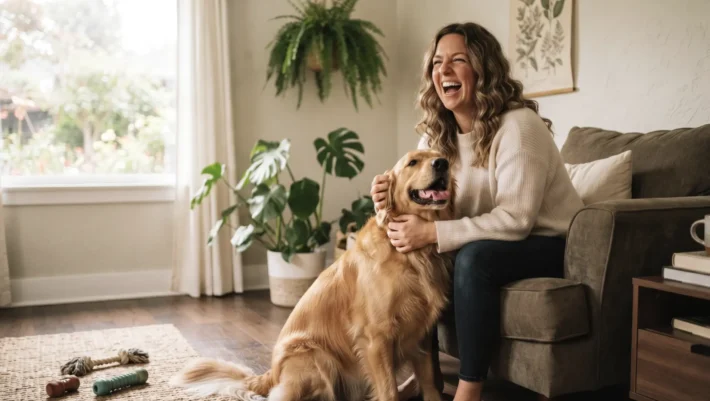
Separation is one of the most primal fears for a pack animal. When you leave, from your dog’s perspective, the pack is broken. The leader is gone. The safety is gone. The entire hierarchy has collapsed.
When you return and immediately greet your dog with excitement, cuddles, and attention, you’re communicating: “Leaving and returning is a BIG DEAL. Something momentous just happened.”
Your dog’s arousal spikes. Their anxiety about the next separation builds. They begin to believe that “my owner leaving is an emergency that requires intense emotion when they return.”
When you ignore your dog until they achieve total calm, then wait five minutes and call them to you, something profound shifts. Your dog learns that leaving and returning are predictable and calm. There’s no emergency. There’s no intensity. There’s just a normal part of the day that happens, and then it’s over, and everyone is fine.
Rule 4: Everything on Your Terms = Permission, Not Demand
Most dog owners don’t realize how much their dog has learned to demand things. The dog scratches at the door, and the owner opens it. The dog brings a toy, and the owner plays. The dog jumps on the couch, and the owner pets them. Each time, the dog has initiated, and the owner has responded.
From your dog’s perspective, this teaches them: “I control my world. When I want something, I make it happen.”
That sense of control, multiplied across hundreds of daily interactions, builds a dog who believes they are the one making decisions. And a dog who makes decisions is a dog who has to be constantly vigilant about what those decisions should be.
When you reverse this, when you initiate all affection, all play, all interaction, your dog’s brain receives a different message: “I don’t need to ask for what I want. I wait. My owner decides.” This isn’t about cruelty or withholding affection. It’s about shifting the locus of control.
The psychological release for your dog is profound. They no longer have to manage their own access to resources (affection, play, attention). They no longer have to monitor whether it’s the “right time” to ask. They simply exist, and good things come to them when their owner decides. That’s security. That’s permission to relax.
Rule 5: The Walk = Leadership in Motion
The walk is where most dogs’ reactivity and anxiety show up most visibly. But the walk is actually revealing something that’s already happening at home. If your dog pulls, lunges, or reacts on walks, it’s not because walks are inherently stressful. It’s because your dog has learned that they are the one responsible for navigating the environment.
When a dog sees another dog and lunges, they’re not being aggressive at the moment. They’re being a leader who sees a potential threat and is trying to handle it. When they pull toward something interesting, they’re not being disobedient; they’re making a decision about where the pack should go.
Training your dog to walk off-leash first teaches them to follow your direction without physical constraint. The leash isn’t what tells them to stay with you; your presence and your leadership do. Then, on a leash, when you refuse to move forward until it’s loose and your dog is calm, you’re communicating: “I will not move until you’ve decided that I’m in charge.”
Every step you take without pulling, every moment your dog chooses to stay beside you rather than forge ahead, is a small act of trust. They’re saying, with their body, “I believe you know where we’re going. I don’t need to scout. I can follow.” That’s trust.
The loose leash and loose arm aren’t about being permissive. They’re about creating an environment where your dog chooses to stay with you because staying with you feels safe. A tight leash communicates tension and danger. A loose leash communicates calm, confident leadership.
LEARN HOW TO CALM YOUR DOG FOR GOOD IN THIS FREE WEBINARTraining Using Dog Psychology
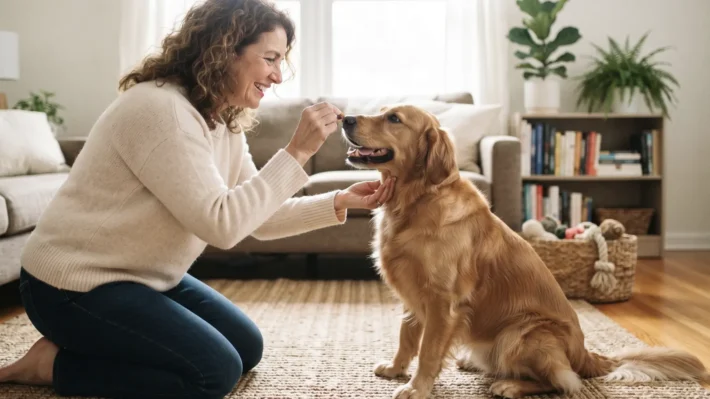
All five rules work together to shift your dog’s nervous system from a state of responsible hypervigilance to a state of trusted followership.
When your dog believes they’re in charge, their brain is constantly:
- Scanning for threats
- Managing resources
- Making decisions about safety
- Assessing every social interaction
- Maintaining the hierarchy
That’s an exhausting, stressful existence. It manifests as reactivity, anxiety, aggression, and behavioral problems.
When your dog experiences consistent, calm leadership across all five areas of daily life, their brain can finally:
- Relax
- Trust that threats are being managed
- Stop scanning the environment
- Release the responsibility of decision-making
- Follow instead of lead
That’s when dogs calm down. Not because they’ve been trained to sit or stay. But because the psychological burden has been lifted. The Five Golden Rules aren’t commands. They’re a language. And the message they communicate is: “You are safe. I am in charge. You can trust me. You don’t have to do this alone anymore.”
OUR FREE WEBCLASS WILL CHANGE YOUR DOG'S BEHAVIOR FOR GOODBenefits of Gentle Leadership Training for Aggressive Dogs
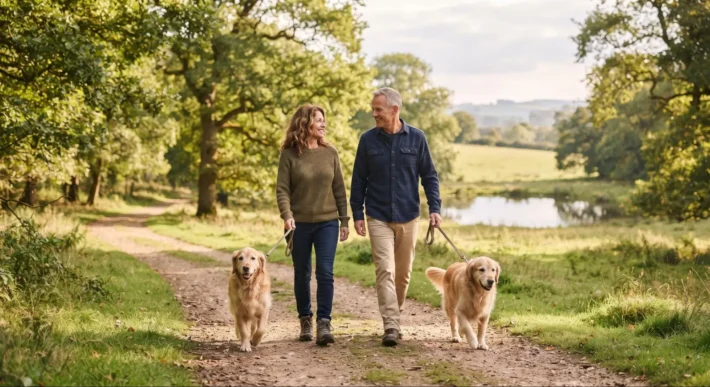
This approach works without fear. There’s no screaming, no shouting, no shock collars, no force. The method is grounded in dog psychology and natural instincts… the way dogs naturally organize themselves when they feel safe.
Trust gets built, not broken. Fear destroys the bond you have with your dog. Calm, consistent leadership builds it. Your dog learns to trust that you have their back and that you’ll keep them safe.
The dog relaxes. Once the constant burden of decision-making is lifted, your dog’s entire baseline shifts. They’re not on high alert anymore. They’re not scanning for threats. They can actually be dogs.
It’s safer for everyone. A dog who looks to you for direction is far less likely to take matters into their own paws. The aggression settles because the need for it is gone.
You get options. You’re not relying on force, fear or punishment. You’re working with your dog’s natural instincts and psychology. That opens up possibilities that punishment-based training never can.
If Rehoming Is Still on Your Mind
I want to be honest: sometimes, for safety reasons, rehoming is the right choice. If you have young children and a dog with a bite history, if you’re in a situation where you genuinely can’t manage the risk, then that decision deserves respect.
But if you haven’t tried the Dog Calming Code™ yet, I’m asking you to try it before you make that permanent decision.
Many people with serious aggression have turned things around with this approach. Some find extra support helps, especially when children are in the home or progress has stalled.
One Last Thing
Your dog didn’t become aggressive because they’re built to be bad, or they have genes that make them aggressive. They became aggressive because they believed they had to be. They took on a responsibility that was never meant to be theirs, and it crushed them.
That belief can change. I’ve seen it happen hundreds and hundreds of times.
Before you rehome your dog, give them, and yourself, the chance to find out what’s possible on the other side of that decision.
Before you make a permanent decision, watch this…it’s free. Join my free webinar on reactivity and aggression.
BRING BACK YOUR CALM DOG – THIS WEBINAR WILL HELP STOP REACTIVITY TODAY.See you there.

— Doggy Dan
FREQUENTLY ASKED QUESTIONS
FAQ 1: What is the real root cause of dog aggression?
Aggression is almost always rooted in a dog believing they are the pack leader and responsible for making all the big decisions about safety and threats. When a dog thinks they have to assess every danger, protect the family, and decide what’s safe or unsafe, they live in a constant state of stress and hypervigilance. That burden manifests as barking, lunging, and aggressive behavior. The dog isn’t being “bad” or “difficult.” They’re exhausted from carrying a job that was never meant to be theirs.
FAQ 2: Why does my well-socialized dog suddenly become aggressive?
A well-socialized dog can become aggressive if leadership becomes inconsistent. Dogs are constantly reading their environment and asking themselves: “Is someone in charge here, or do I need to step in?” When the Five Golden Rules slip, even gradually, your dog starts to feel uncertain. They begin to believe that the responsibility for safety and decision-making is falling back on their shoulders. Aggression often returns not because your training failed, but because the foundation of leadership eroded over time.
FAQ 3: Can a trained dog go back to being aggressive?
Yes, a trained dog can absolutely regress into aggression if the foundation isn’t maintained. Think of it like fitness: you spend months exercising consistently and feel strong, but if you stop working out, your fitness fades. The same happens with dogs. A dog that has been trained once can be brought back much faster than a dog that was never trained, because the foundation is still there. They remember what calm felt like and what it means to have a leader they can trust. Maintenance and consistency are essential to keep the progress you’ve built.
FAQ 4: What are the early warning signs that my dog is becoming aggressive?
Before a dog explodes into barking or lunging, they give subtle stress signals. Watch for lip licking, yawning, looking away, stiff body posture, and intense staring. These are your dog’s way of communicating discomfort before things escalate. The key is catching these early signals at a two or three on the energy meter, not waiting until they reach a nine. If you see your dog locking onto a trigger with a hard stare or their body going rigid, that’s your moment to step in calmly and redirect before the aggression happens.
FAQ 5: Why do treats alone not fix aggression?
Treats don’t address the root cause of aggression. A dog who is aggressive because they believe they’re in charge won’t become calm just because you’re offering food. In fact, using treats to stop aggressive behavior can actually teach the dog to act aggressively in order to get the treat that follows. Treats address the surface behavior but leave the underlying issue untouched: your dog’s belief that they’re responsible for making decisions. Without establishing clear, calm leadership first, treats are just a temporary band-aid on a much deeper problem.
FAQ 6: How long does it take to fix an aggressive dog?
There’s no single answer because it depends on how deeply ingrained the aggressive patterns are and how long the dog has believed they were in charge. Some dogs show noticeable improvement within days of their owner establishing consistent, calm leadership. Others may take weeks or months. What matters most is consistency and celebrating small wins. A calm glance at another dog without reacting, a relaxed sniff of a stranger’s hand, or a moment of standing near another dog without trembling, these are all progress. Real change happens through dozens of quiet, successful moments, not one dramatic breakthrough.
FAQ 7: What should I do if my dog is aggressive during a playdate?
Don’t force your dog into a greeting when they’re already over threshold. Removing them from the situation calmly is the right move. Let them decompress because it takes time to come down from a high stress state. If you want to introduce your dog to another dog, set the conditions for success by starting with both dogs calm, at a distance, and moving closer only if both remain relaxed. Most importantly, address the root cause: establish yourself as a calm, capable leader who doesn’t need your dog to take charge of the situation. A dog who sees you as their leader doesn’t feel the need to assess whether another dog is a threat.
FAQ 8: Is it too late to help an adult dog with aggression?
It is never too late. Dogs don’t need to be puppies to change. What they need is a leader who is consistent, calm, and committed to helping them feel safe. Older dogs may take a bit more time and patience because the fear patterns are more deeply ingrained, but the transformation is just as real and possible. The process is the same whether your dog is six months old or six years old. Start where you are. Start today. Every day you commit to consistent leadership is a day your dog is learning that they don’t have to carry the burden of protection and decision-making anymore.