“Doggy Dan, my dog bit me and now I'm scared of him. What do I do?” Biting isn't the end of your story— it’s the moment you finally start listening to what your dog is desperately trying to tell you.
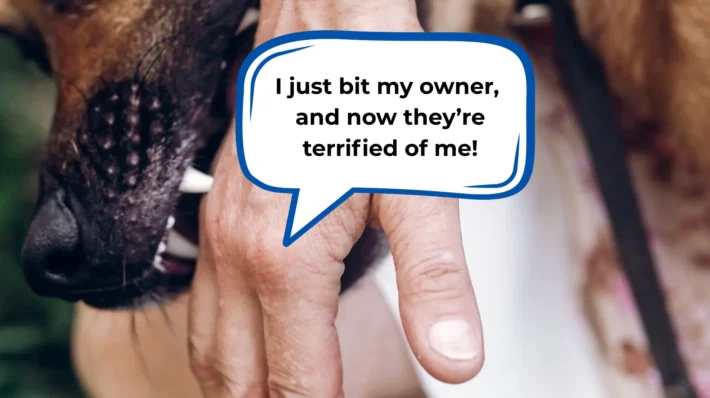
There is absolutely no judgment here for owners who find themselves questioning everything they know about dog ownership after being bitten by their own dog.
It’s only natural to ask “Why?” the moment those teeth break the skin. After all, you’re the one who cares for them, provides for them, and works so hard to keep them safe. To have them react this way despite all your love can feel like a total breakdown of trust.
It’s an experience that can easily leave you feeling disoriented, and it’s perfectly understandable if you now feel a sense of fear around your own dog.
But the most important question remains: WHAT DO YOU DO NEXT?
In this blog, I'm going to teach you how to navigate through this scary experience, understand why your dog acted that whey they did, and bring back the trust you have for your dog.
Key Takeaways
- Many dogs bite or act aggressively not out of “mean-spiritedness,” but because they are trapped in a state of exhausting anxiety, feeling they must protect you from perceived threats.
- By becoming a calm, consistent leader, you give your dog permission to “clock off” from their self-appointed job as a protector. When they trust you are in control, their need to react disappears.
- Stepping into a leadership role is the ultimate act of kindness. It transitions your dog from a life of high-alert tension to a state of peace, where they finally feel safe enough to relax.
Why Dogs Bite Their Owners
“Doggy Dan, I just can’t believe my dog would do that to me!”
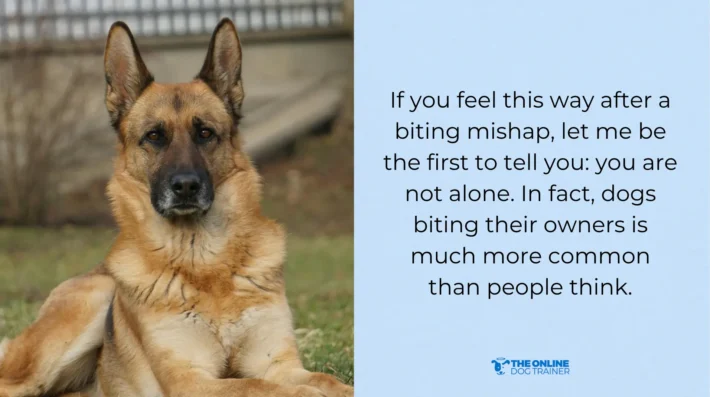
If you feel this way after a biting mishap, let me be the first to tell you: you are not alone. In fact, dogs biting their owners is much more common than people think.
It can happen even if you and your dog have always had a wonderful relationship, and even if you didn't see a single warning sign. It's a possibility even with a wonderful dog!
But why? Why do these accidents happen between a dog and the person they live with?
There are many factors at play, and I know how terrifying it feels. Most owners worry that their dog has “gone bad” or suddenly become aggressive, and they fear there’s no turning back. But here is the good news: it’s not always aggression, and there is always a way back.
Let's explore the reasons so you can understand your dog better.
Reason #1: Fear or Being Startled
Fear is one of the most powerful drivers in the canine world. When dogs bite, it's mostly because of fear.
When a dog is startled—perhaps by being woken by sudden movements or being approached from behind—their primal survival instinct kicks in before their conscious brain can catch up.
This is especially common with dogs who have assumed the role of your protector. Once they think they're in charge of you, every small noise and movement is a cause of worry.
Quick movements or loud, sudden noises can feel like a direct threat. In that split second, a dog who feels cornered or believes a “stranger” (even if it's you!) might hurt them won't always think to run away. Instead, they’ll protect themselves the only way they know how: by using their teeth to create space.
Reason #2: Pain or Medical Issues
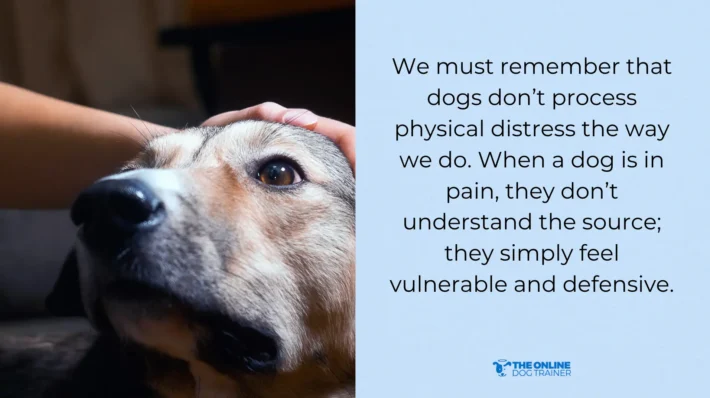
We must remember that dogs don’t process physical distress the way we do. When a dog is in pain, they don’t understand the source; they simply feel vulnerable and defensive.
If you reach out to pet them or move them, they may perceive your touch as the cause of that sharp pain or an interference with their recovery. In their mind, biting is a desperate plea to make the discomfort stop.
This is why a normally “perfect” dog might suddenly snap and turn into a biting dog —it’s not a change in personality, but a cry for help.
Reason #3: Resource Guarding
Resource guarding is a deeply rooted survival mechanism. Whether it’s a bowl of kibble, a favorite squeaky toy, or even their spot on the sofa, a dog may perceive your approach as a threat to something they highly value.
Dog owners can see this in rescue dogs that have lived with scarcity all their lives. They have fought to survive, and they will sure fight you if you think you're going to take something really special from them.
This triggers an adrenaline-fueled “fight-or-flight” response. When a dog feels the anxiety of potentially losing that “treasure,” they can quickly escalate from subtle warnings—like a stiff body or a low growl—to a bite. What you see as an aggressive bite is actually a desperate attempt of your dog to protect what they deem is theirs.
Reason #4: Overstimulation
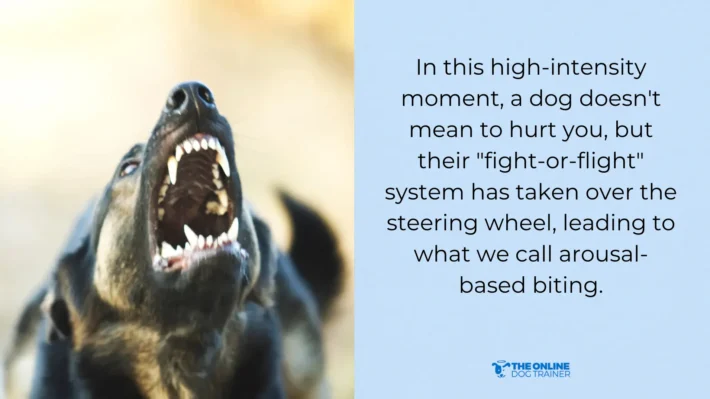
Sometimes, the world simply becomes too much. Overstimulation happens when a dog is bombarded by environmental or emotional triggers—think of a hectic park, a herd of other dogs, or a loud household. When a dog hits their “threshold,” their brain stops functioning clearly.
They lose that calm, logical control and enter a state of frantic arousal. In this high-intensity moment, a dog doesn't mean to hurt you, but their “fight-or-flight” system has taken over the steering wheel, leading to what we call arousal-based biting. It’s a total loss of emotional regulation.
Reason #5: Rough Play
Play is a wonderful way to bond, but it can easily cross the line. You can get a bite directly or through redirected aggression.
When play becomes too physical or intense, it triggers a dog’s natural predatory instincts. You can be bitten when you're in a rough play with your dog, or if you're trying to break a play that turned into a dog fight.
Without solid bite inhibition training, a dog might move from gentle mouthing to uncontrolled biting as their excitement levels redline.
They lose the boundary between a fun game and a serious encounter. As a gentle leader, it’s our job to monitor those energy levels and step in to calm things down before the dog’s excitement turns into an accidental injury.
Reason #6: Lack of Training and Socialization
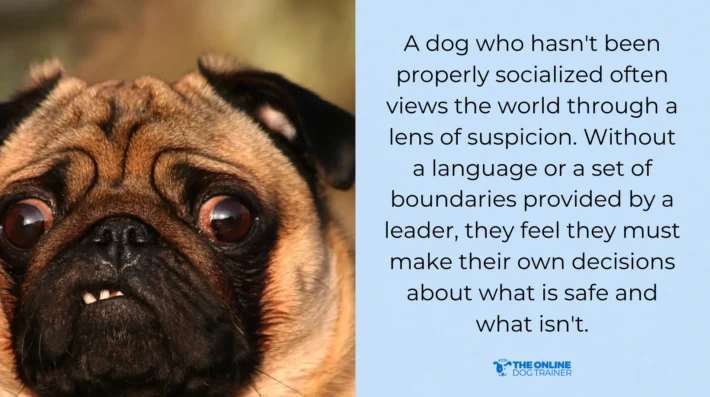
A dog who hasn't been properly socialized often views the world through a lens of suspicion. Without a language or a set of boundaries provided by a leader, they feel they must make their own decisions about what is safe and what isn't.
When a dog doesn't know how to navigate a situation—like meeting a new person or handling a new sound—they feel immense pressure. Without the confidence that training provides, a dog may default to biting as a way to control their environment and keep themselves safe from the unknown.
Reason #7: Unaddressed Reactivity
Reactivity is essentially a state of chronic stress. When a dog's lunging or barking is left unaddressed, they remain in a high-risk emotional state where they never feel truly resolved or safe. While reactivity isn't the same as true aggression, it is often the precursor.
If a dog learns that “threatening” displays are the only way to make a perceived threat go away, they will eventually escalate to biting if the barking doesn't work. It’s a learned survival strategy that stems from a lack of guidance and calm leadership.
(If you think your dog bit you out of unresolved reactivity, don't lose hope. I am offering a FREE webinar that will help you understand this dog behavior, and will change your dog in under a week!)
Immediate Steps After Your Dog Attacks You With a Bite
You DO NOT need to repair that broken bond with your dog after a bite. Instead, take these essential steps instead.
Step #1: Create Separation
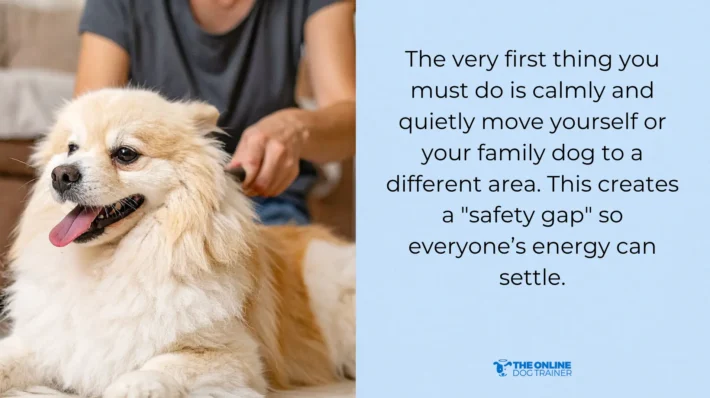
The very first thing you must do is calmly and quietly move yourself or your family dog to a different area. This creates a “safety gap” so everyone’s energy can settle. By removing the pressure of each other’s presence, you allow the dog’s nervous system to come down from its “fight-or-flight” state and prevent the situation from escalating.
Step #2: Clean the Wound
Once you are in a safe space, attend to yourself immediately.
Even if the bite seems minor, dog mouths carry bacteria, so wash the area thoroughly with warm water and soap for several minutes. This also provides a necessary moment to pause, breathe, and regain your composure before deciding on your next move.
Step #3: Prevent Escalation
In the heat of the moment, resist the urge to shout, scold, or physically confront the dog. If the bite was driven by fear or overstimulation, adding more noise or aggression will only confirm to the dog that they were right to be defensive.
By staying silent and calm, you act as the pack leader and demonstrate that the environment is under control.
Step #4: Seek Medical Assistance If Needed
Don't be a hero. If the bite is deep, won't stop bleeding, or shows signs of infection, please see a doctor or visit an urgent care clinic. Professional medical advice is crucial for your safety, especially regarding tetanus shots or antibiotics.
Taking care of your physical health ensures you have the strength to address the behavioral side of the situation later.
Step #5: Documenting What Happened
Once the dust has settled, write down exactly what happened leading up to the bite. Take note of the environment, any loud noises, or if the dog was eating or sleeping. Using dog psychology means looking for the “triggers” behind the event.
This documentation helps you identify patterns so you can put a plan in place to ensure it never happens again.
Coping With Fear After Your Dog Bites You
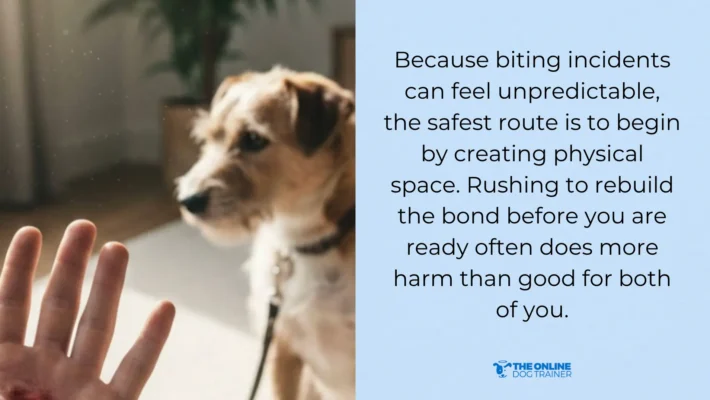
In a situation like this, taking it slow is the only way forward. Because biting incidents can feel unpredictable, the safest route is to begin by creating physical space. Rushing to rebuild the bond before you are ready often does more harm than good for both of you.
Don't Rush The Connection, Give It Time
If you are shaken by the behavior your dog displayed, give yourself permission to take that time and space.
Avoid high-risk situations—such as forcing close physical contact or trying to “get cozy” again too soon—and understand that your dog also needs time for their adrenaline to subside. While tension is high, maintaining a calm distance is the most responsible choice you can make.
Be Careful With The Energy You Show Your Dog
As a trainer, I have worked on many cases like this, and I always emphasize one thing: the energy you project in your dog’s presence will make or break the recovery process. Research shows that dogs are incredibly sensitive to their owners' emotions.
If you are radiating stress or fear, your dog will mirror that anxiety, which only keeps them in a defensive state. By focusing on your own calm, you create the environment necessary for the real work of rebuilding to begin.
Warning Signs To Remember Before Approaching Your Biting Dog
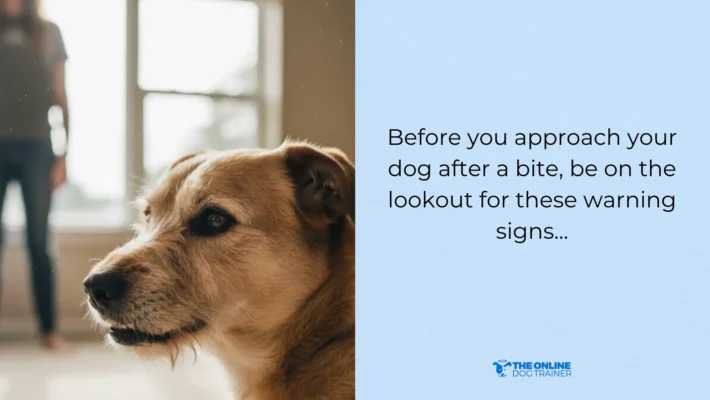
After a bite, I recommend that dog owners approach their reactive or aggressive dogs (that bit them!) with caution. Here are some warning signs to look out for before reconnecting with your dog.
1. The “Freeze” or Stiff Posture
This is perhaps the most important sign. If your dog suddenly goes stiff and still like a statue while you approach, they are “locking and loading.” This rigidness is a major red flag that they are uncomfortable and prepared to react.
2. The “Whale Eye”
If you can see the whites of your dog’s eyes—usually in a crescent shape while they keep their head still—it means they are very tense. They are scanning for a threat while trying to keep an eye on you at the same time.
3. Lip Licking and Yawning
When done out of context (meaning they aren’t actually hungry or tired), these are “appeasement signals.” The dog is showing signs of internal stress and is trying to tell you they need some space to calm down.
4. The Hard Stare
A dog who looks you directly in the eye with a fixed, unblinking, and cold gaze is sending a clear warning. In the canine world, a prolonged hard stare is a challenge and a sign that the dog is on high alert. Try not to make direct eye contact with your dog if they still show this.
5. Low or Tucked Tail
A tail tucked tightly between the hind legs indicates intense fear or submission. A fearful dog feels cornered, and as we know, a dog that feels it has no escape is much more likely to bite to protect itself.
6. Ears Pinned or Flattened
When ears are flattened back against the head, the dog is feeling very defensive and worried. This is a sign that they are trying to make themselves look smaller and less threatening, but are ready to snap if pushed.
7. The “Look Away” or Avoidance
If you approach and your dog deliberately turns their head or entire body away from you, they are politely asking for space. If you ignore this “polite” request and continue to move into their personal bubble, they may feel forced to use their teeth to get the message across.
8. The Low Growl (A Gift of Warning)
Never punish a growl! A growl is your dog’s way of saying, “I’m uncomfortable, please stop.” If you punish the growl, you are taking away their alarm system. The dog will stop growling, but they will go straight to the bite next time because they’ve learned that warning you doesn't work.
How to Rebuild Trust Safely
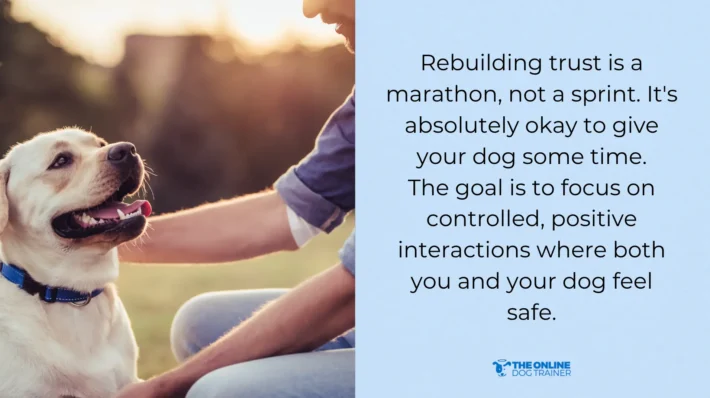
Rebuilding trust is a marathon, not a sprint. It's absolutely okay to give your dog some time.
The goal is to focus on controlled, positive interactions where both you and your dog feel safe. This often means using physical barriers like baby gates or keeping your dog on a leash even while indoors.
If the situation calls for it, a muzzle is a wonderful tool that provides peace of mind, allowing you to stay calm while working together.
Focus on reward-based training and calm reinforcement for the smallest of wins. Above all, avoid punishment.
Shouting or physical correction only heightens a dog's fear and validates their need to be defensive, which can make aggression much worse.
This is a truth every dog owner needs to understand: rebuilding safety involves showing your dog that they no longer have to feel responsible for you.
Many dogs are reactive because they are constantly worried about your safety. They may act aggressively because they perceive a threat you haven't seen, or they bite because they feel they are in immediate danger with no one to protect them. They are essentially working a “job” they were never meant to have, and it leaves them in a state of constant, exhausting anxiety.
In my years of experience, I’ve found the ultimate remedy to this: becoming a calm, consistent leader in your dog’s eyes.
When you step into that role, your dog finally receives the signal that they can “clock off.” Once they see you are in control of the environment, they no longer feel the agitation of having to protect you or the need to keep their senses on high alert.
By becoming their leader, you aren't just fixing a behavior; you are giving your dog the gift of weq
Gain an Objective Perspective
Following a medical check, reaching out to a certified trainer or behaviorist who understands dog psychology is the next vital step. When you are emotionally involved, it is nearly impossible to see the subtle triggers or the “why” behind the bite.
A professional provides an objective set of eyes, identifying exactly where the communication has broken down. They can help you see the situation through your dog’s eyes, which is often the key to unlocking the solution.
Restore Safety and Confidence
It is a common misconception that professional training is only about “fixing” the dog. In reality, it is about providing you with the tools and the confidence to restore safety to your home.
A professional will guide you through the process of rebuilding boundaries and implementing structure, ensuring that every interaction you have with your dog is safe and productive. This support allows you to move from a place of fear back into a position of calm, gentle leadership.
Preventing Future Incidents With Your Fear Biter
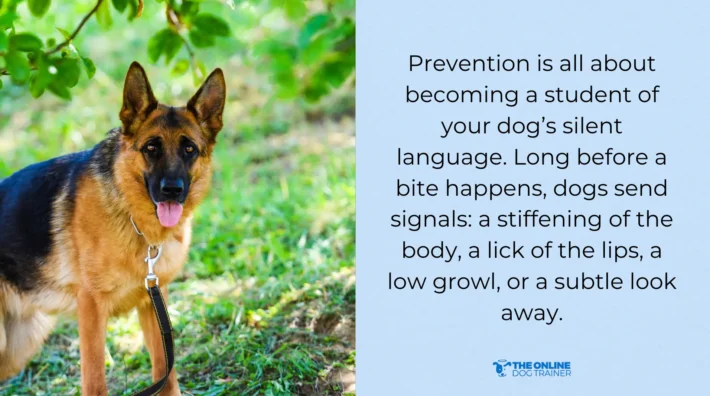
Prevention is all about becoming a student of your dog’s silent language. Long before a bite happens, dogs send signals: a stiffening of the body, a lick of the lips, a low growl, or a subtle look away. By recognizing these signs of discomfort early, you can step in as a leader and remove them from the stressor before they feel the need to use their teeth.
Ensure your dog has a “safe space”—like a crate or a quiet corner—where they are never disturbed. Consistency in your daily rules and structured activities will help build their confidence and teach them they can rely on you.
Deciding on Next Steps
Finally, we must look at the situation with total honesty and compassion. There are many factors to consider when deciding the path forward, including the severity of the bite and the safety of everyone in the household—especially if children or elderly family members are involved.
I want to be very clear: safety must always come first. You should never let guilt outweigh the well-being of your family. In some rare cases (and as a last resort), rehoming a dog to an environment better suited to their needs is not a failure; it is the most responsible and loving choice you can make for both the dog and yourself.
However, if the incident was a clear case of a dog being startled, a one-off reaction to pain, or a result of obvious overstimulation, please don't give up on them yet. If your dog is still seeking your company, responding to basic cues in calm moments, or showing a willingness to learn, there is a foundation to build upon. These are signs that the bond isn't broken—it’s just strained.
This is exactly what I teach: there is still immense hope for your dog when you apply the right training and a deep understanding of dog psychology. You don't have to navigate this scary path alone. To help you get started, I offer a foundation through The Dog Calming Code, and I also host a free webinar on dog reactivity that dives deep into why these behaviors happen and how to stop them.
If you're ready to move past the fear and rebuild a relationship based on trust and gentle leadership, I invite you to join us. The way back starts with understanding.

~Doggy Dan 🙂