Don’t settle for “good enough” when it comes to safety. Find out which best dog muzzle for biting will bring you the peace of mind you need.
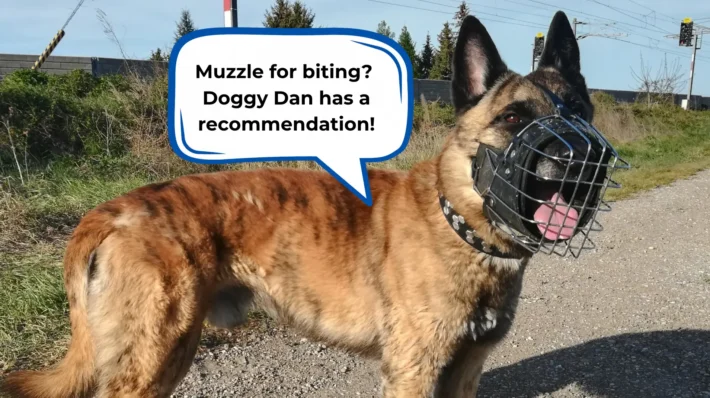
If you’re a dog owner searching for a muzzle for dog biting, you likely have a dog whose reactivity has become a serious safety concern. Whether it happens during walks, when guests arrive, or during stressful vet visits, I want to start by telling you: I hear you.
Dealing with a dog with the potential for aggression is incredibly stressful, and it’s natural to look for a way to ensure everyone’s safety. However, before you hit “buy” on the first muzzle you see, there are some vital things you need to know about how muzzles work, what they can (and can’t) do for biting, and—most importantly—how to keep your dog happy and safe while using one.
Key Takeaways
- Muzzles are for Safety, Not Training: A muzzle is a vital safety net that prevents bites, but it doesn’t change why a dog feels the need to bite. It must be paired with behavioral training to solve the root cause.
- The “Basket” is the Gold Standard: Unlike restrictive “sausage” muzzles that can cause overheating, basket muzzles allow your dog to pant, drink, and take treats, keeping them physically safe and emotionally comfortable.
- Leadership Stops the Biting: True transformation happens when you move from managing the mouth to training the heart. By establishing yourself as a calm leader, you allow your dog to “switch off” their alarm system and relax.
The Truth About Muzzles and Biting
Let’s clear up a big misconception right away: A muzzle is not a training tool for biting.
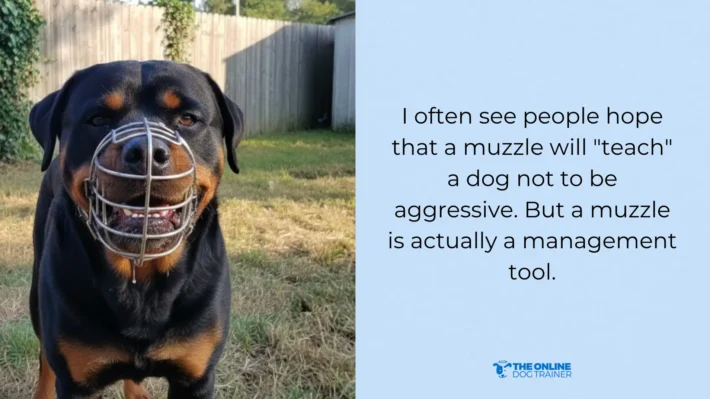
I often see people hope that a muzzle will “teach” a dog not to be aggressive. But a muzzle is actually a management tool. It’s a safety net that prevents a dog from making a mistake that could have permanent consequences, but it doesn’t address the reason your dog feels the need to bite.
Whether your dog is biting out of fear, resource guarding, or territorial reactivity, the muzzle won’t change their behavior overnight. In fact, if used incorrectly, it can make a dog feel more vulnerable and stressed. Today, I want to show you how to pick a muzzle that allows your dog to breathe and stay cool while you work on the real training.
My Best Muzzle Recommendation
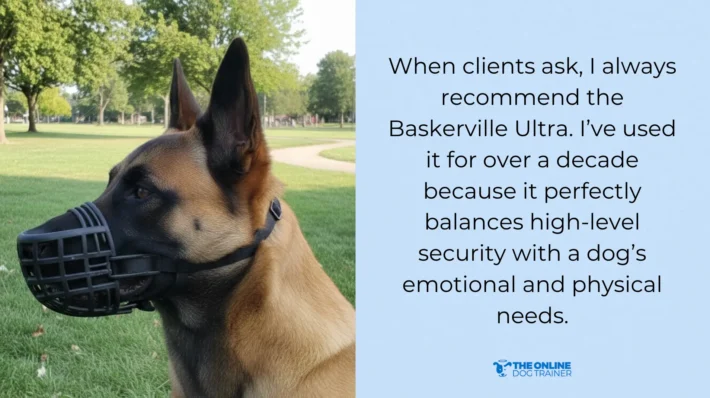
When clients ask for the best muzzle for biting and reactivity, I always recommend the Baskerville Ultra. I’ve used it for over a decade because it perfectly balances high-level security with a dog’s emotional and physical needs.
Why the Baskerville Ultra?
Made from durable yet flexible thermoplastic rubber, this muzzle can be “heat-molded” for a custom fit. Its standout safety feature is the collar loop at the bottom; by threading your dog’s regular collar through it, you ensure even the most determined dog can’t paw it off in a moment of panic.
Unlike restrictive wraps, this wide-spaced basket design allows for three essentials:
Full Pant Feature
Dogs regulate their body temperature through panting, not sweating. During a reactive episode, adrenaline causes your dog’s temperature to skyrocket. The Baskerville Ultra’s depth allows your dog to open their jaw to breathe fully. This prevents physical overheating, which often escalates mental agitation into a dangerous “fight” response.
Allows Hydration on the Go
This design allows your dog to drink water from bowls or fountains without removing the muzzle. Keeping your dog hydrated is essential for physical comfort, which helps maintain a lower stress threshold during difficult training sessions.
Rewards Calm with the “Treat Port”
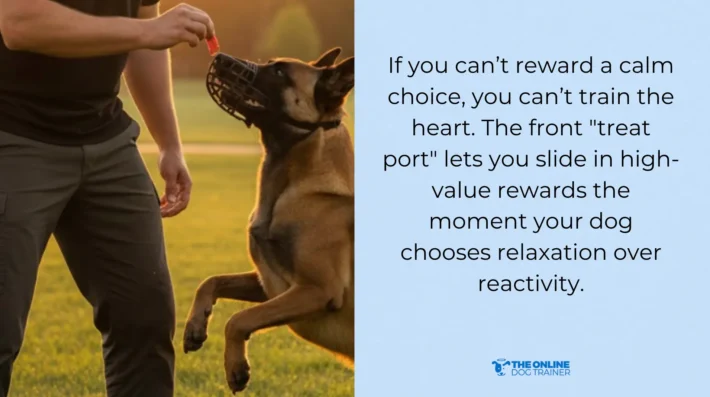
If you can’t reward a calm choice, you can’t train the heart. The front “treat port” lets you slide in high-value rewards the moment your dog chooses relaxation over reactivity. This transforms the muzzle from a restrictive cage into a functional classroom, teaching your dog that silence leads to great things.
Has a Fit Feature
Safety is paramount when dealing with biting. The Baskerville Ultra features a dedicated collar loop at the bottom, allowing you to thread your dog’s regular collar through the muzzle. This creates a secondary anchor point, making it nearly impossible for a dog to paw the gear off. Additionally, the optional overhead safety strap ensures the muzzle stays securely in place even during intense lunging or high-adrenaline moments, giving you total peace of mind.
How a Muzzle Can Help Dogs that Bite
A Muzzle Helps Lower YOUR Stress Levels
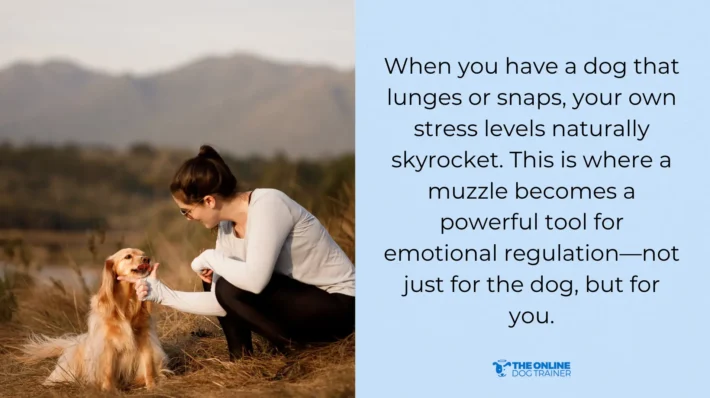
When you have a dog that lunges or snaps, your own stress levels naturally skyrocket. This is where a muzzle becomes a powerful tool for emotional regulation—not just for the dog, but for you. One of the hardest parts of working with an aggressive dog is the “what if.” When you know your dog is safely muzzled, that fear disappears. You can breathe again, and because dogs are mirrors of our emotions, your calmness helps them stay below their “boiling point.”
It Creates A Physical Boundary
Often, people see a muzzled dog and instinctively give them more space. For most dogs that bite out of fear, this extra “bubble” is a huge relief. It prevents strangers from entering your dog’s personal space, reducing the dog’s perceived need to defend itself.
It Facilitates “Safe” Socialization
If your dog struggles with other dogs at the dog park or is reactive on walks, a muzzle lets you practice “parallel walking” at a distance where everyone is safe. It acts as a training bridge, allowing you to get close enough to work on focus and calm behavior without the high-stakes risk of an injury.
Signs Your Dog Needs a Muzzle for Biting
Recognizing these signs early is the kindest thing you can do for your dog and your community.
Lunging and Air-Snapping
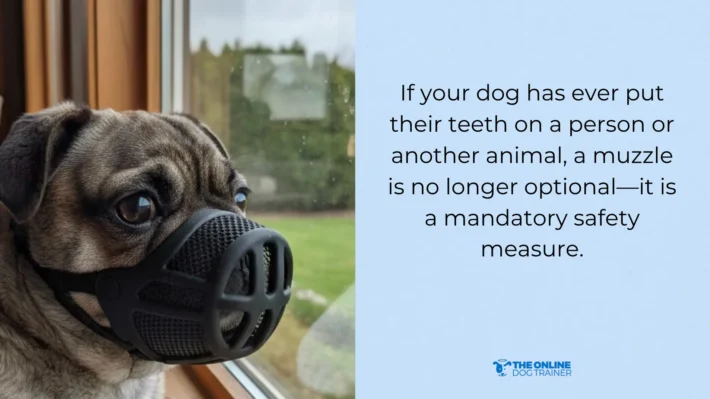
If your dog is already lunging and “snapping at the air,” they are telling you they are one step away from a bite. If your dog has ever put their teeth on a person or another animal, a muzzle is no longer optional—it is a mandatory safety measure.
Intense Fear or “Panic” Reactions
In a state of panic, even the sweetest dog can have a “fight or flight” reaction. If your dog becomes uncontrollable at the vet clinic, with the groomer, or in loud crowds, a muzzle protects the people trying to help them while your dog is in that irrational, high-stress state. Also, check your dog’s bite history to assess whether or not they need the muzzle immediately.
Stiff Body Language and “Whale Eye”
Watch your dog’s tail and ears. If they are stiff, with a tucked tail or “whale eye” (showing the whites of their eyes), they feel extremely threatened. This posture often precedes a physical confrontation. Using a muzzle ensures that if they do reach their breaking point, no one gets hurt.
Buyer’s Guide: What Makes a Muzzle Safe?
Between the three primary types of dog muzzles (basket, soft sleeve, and short snout), which one is best for your dog?
When looking for a muzzle to prevent biting, you might be tempted by soft, fabric “sleeves.” I call these “Sausage Muzzles,” and I want to warn you to be very careful with them.
The Danger of the “Sausage Sleeve”
These muzzles fit tightly around the dog’s snout, holding the mouth shut. While they prevent biting, they also stop your dog from panting. This type of muzzle “prevents” biting by forcing your dog’s mouth closed.
- The Risk: Dogs cool down by panting. If a dog is stressed and can’t pant, they can quickly overheat. This can lead to heatstroke or even death.
- When To Use Them: Only for very short durations (minutes) in a climate-controlled vet’s office.
The Benefit of the Basket Muzzle
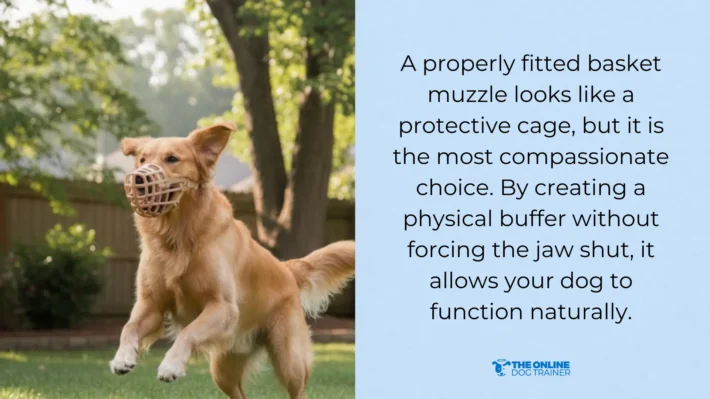
A properly fitted basket muzzle looks like a protective cage, but it is the most compassionate choice. Creating a physical buffer without forcing the jaw shut allows your dog to function naturally.
- Vital Airflow: The “panting room” allows your dog to regulate their temperature.
- Allowing Communication: Your dog can still huff, whine, or muffle-bark. This helps you monitor their stress levels without the risk of bites.
Choosing the Right Muzzle Material
Not all baskets are created equal. Depending on your dog’s size and activity level, choose the right material.
| Material | Best For | Pros | Cons |
| Rubber/Silicone | Everyday Walks | Flexible, soft muzzles. Very comfortable for the dog. | Determined biters can sometimes distort the shape. |
| Plastic | Occasional Use | Lightweight and budget-friendly. | Can become brittle in cold weather or crack under pressure. |
| Wire/Metal | Maximum Safety | The most durable; impossible to chew or bite through. | Can look intimidating and feels heavy on smaller breeds. |
| Biothane | Custom Comfort | Lightweight, waterproof, and easy to clean. | Usually requires a custom order for a perfect fit. |
How to Measure for a Safe Fit
If you’re looking for an ideal muzzle for your dog, it’s also important to consider the fit so they can safely wear it for both short periods and longer periods (especially if you need more training).
Measuring Snout Length
Measure from the tip of the nose along the bridge to about one inch below the eyes. It shouldn’t poke the eyes, as a restrictive muzzle creates further irritation for a reactive dog.
Finding the Open-Mouth Circumference
This is the most important part! Measure around the widest part of the snout while your dog’s mouth is open. Have them hold a tennis ball while you measure. This ensures they have room to pant and take treats.
Checking the “Two-Finger” Rule
You should be able to fit two fingers comfortably between the straps and your dog’s head. Too tight causes sores; too loose allows the dog to escape the muzzle.
Consider Your Dog’s Age
An often overlooked factor is a dog’s age. If you are muzzle training a puppy, remember that they are growing rapidly, and a muzzle that fits perfectly today may become dangerously restrictive in just a few weeks. Conversely, for senior dogs, comfort is paramount; many dogs in their later years develop sensitive skin or dental issues, so a lightweight, flexible basket is usually the best choice to avoid unnecessary pressure.
Beyond the Muzzle: Solving Biting at the Root
A muzzle is a temporary bandage. If you want your dog to stop biting, you have to understand what’s going on in your dog’s mind.
Here are truths I teach dog owners who want to stop their dog’s biting problems for good.
#1: You Need To Become The Leader That Your Dog Needs
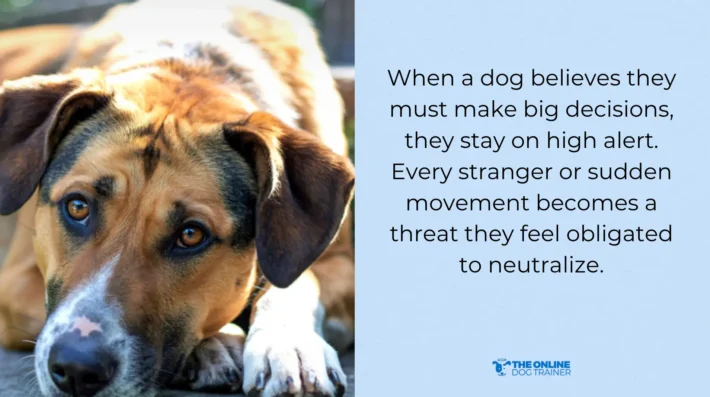
A “mean” dog doesn’t cause most biting; it’s caused by a dog that feels they are “in charge” of the pack’s safety. When a dog believes they must make big decisions, they stay on high alert. Every stranger or sudden movement becomes a threat they feel obligated to neutralize.
Here is the truth: your dog is likely missing a clear leader. When they assume the role of “Pack Leader,” they become anxious, jittery, and always on edge. Even if you provide the food and the bed, if they don’t see you as the decision-maker, they will remain reactive and resistant to training. You must become the calm, confident leader your dog is searching for.
#2: You Need To Lead Through Dog Psychology
My approach focuses on shifting your dog’s perspective so they realize you are the one in control. When you take the lead using natural dog psychology, your dog realizes they don’t have to be the “security guard” anymore. They finally get permission to “switch off” that internal alarm system and relax.
In my program, The Dog Calming Code, I teach the Five Golden Rules aligned with how dogs actually think. These rules don’t use force; they use psychology to make your dog look at you and say, “Ahh, you’ve got this. I can finally rest.” This shift is what truly stops the biting.
#3: Train the Mind, Not Just the Mouth
Muzzle training must go hand in hand with behavioral training. While the muzzle keeps the world safe on the outside, our work together calms the dog on the inside. A muzzle manages the mouth, but leadership trains the heart.
When your dog trusts your decisions and feels secure in your leadership, they no longer feel the need to defend themselves with their teeth. By addressing the root cause, you move from merely managing a “dangerous dog” to enjoying a peaceful, happy companion.
Remember: A muzzled dog is a safe dog, but a calm dog is a happy dog.
Get The Dog Calming Code To Stop Your Dog From Biting
While a muzzle provides the safety you need today, it doesn’t change the underlying emotions that lead to a bite. To truly stop the biting, you have to address the “why” behind the behavior. Most aggressive tendencies stem from a dog feeling overwhelmed, protective, or fearful because they believe they are in charge of every situation.
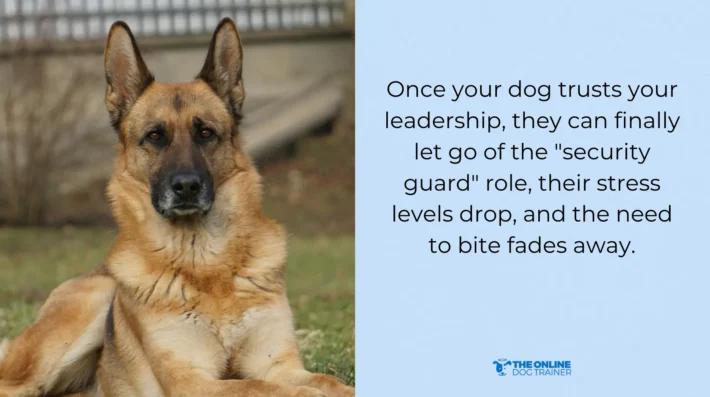
That is why I created The Dog Calming Code. This program isn’t about “tricks” or forceful “dominance”; it’s about a fundamental shift in your relationship. By following the Dog Calming Code, you show your dog that you are the calm, capable leader who makes the decisions. Once your dog trusts your leadership, they can finally let go of the “security guard” role, their stress levels drop, and the need to bite fades away.
Transform Your Dog’s Heart
If you’re ready to move past just managing the risk and want a dog that is truly relaxed and happy, get the Dog Calming Code today. The good news is that I’m giving it away for FREE if you register for my webinar.

~Doggy Dan 🙂