In this blog, I share the best winter skin and paw care your dog desperately needs in these colder, harsher weather.
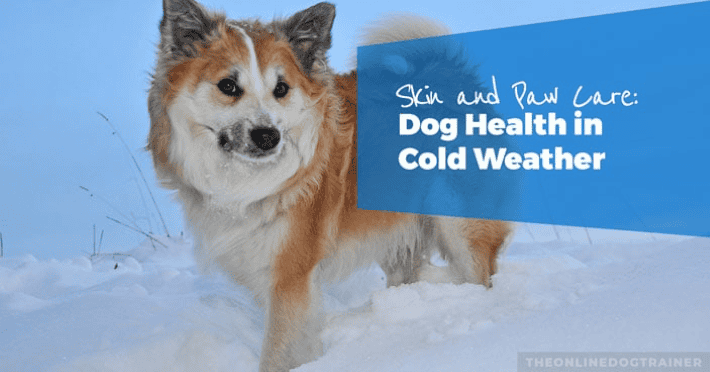
If you’re experiencing winter in your place, don’t forget to check on your dog’s skin and paw care.
It’s a scorcher here in New Zealand! But a lot of folks in the Northern Hemisphere are having other problems…
During the winter months, it’s common for humans to suffer from dry skin or chapped lips.
The reason: cold weather literally sucks the moisture out of us.
What you might not know is that dogs can suffer from many of the same winter ailments that humans do due to a lack of moisture in the air.
Why don’t we notice these types of issues?
Well…for the most part, the symptoms can be mild — yet still irritating to your dog.
Furthermore, dogs can’t talk. So, it’s unlikely that your pup is going to start up a conversation about his chapped paws.
As pet owners, it’s our job to look out for our dogs to ensure they don’t experience dry, itchy skin, cracked paws, and other cold-weather-related skin issues.
Keep reading to discover my natural solutions for helping to keep your dog hydrated and healthy this winter.
Key Takeaways:
- Protect paws from harsh winter elements: Dog boots are the best option, shielding paws from salt, chemicals, ice, and debris.
- Ease into boots and consider alternatives: Introduce boots gradually with positive reinforcement. For quick trips outside, a shoveled path covered in straw or simply wiping paws clean are good alternatives.
- Maintain consistent paw care: Whether using boots or not, always clean paws after walks to remove harmful chemicals and debris. Indoor activities are important for exercise when it’s too cold for long walks.
Winter Skin and Paw Care for Dogs #1: Keep Your Dog Hydrated
Increase your dog’s water intake by offering him chicken-or beef-based broths and, if your dog eats dry food, try soaking it overnight.

When your dog is dehydrated, his skin becomes one of the first organs to stop receiving water. Then, when the skin’s collagen is adequately hydrated, its starts to dry out, chap, and crack.
Why is this important?
Dogs naturally drink less water in the wintertime. After all, with cooler temperatures, your pup won’t feel the need to constantly lap up water to keep himself cool.
Of course, dehydration is an extreme reason for your dog to suffer from skin issues.
But, even a simple decrease in water intake can wreak havoc on your dog’s skin.
Symptoms of dehydration in dogs during winter include:
- Dry or sticky gums
- Sunken eyes
- Loss of skin elasticity
- Lethargy or weakness
- Decreased appetite
- Reduced urination
- Excessive panting
- Dry nose
The solution: encourage your dog to drink more water by offering him chicken-or beef-flavored broths.
Broth can be created in several ways.
If you have beef bones or a chicken carcass on hand, simply boil them in a pot of water. Then, strain the broth to ensure you’ve gotten rid of dangerous objects like bones or cartilage in the broth before serving it to your pup.
A second option would be to use chicken-or beef-flavored bouillon cubes. You can find these at the grocery store, and they are very inexpensive.
All you do is drop the flavor cube into a pot of water and boil it until the cube is dissolved.
If you use this method, be sure to pick up sodium-free bouillon cubes as added salt can actually cause your dog to dehydrate even further.
With a little extra flavor, your dog will be much more willing to drink during the day.
Also, if your dog won’t drink the broth on his own, you can pour it over his food for a special treat.
THIS FREE CLASS WILL CHANGE YOUR REACTIVE DOG IN 7 DAYS!Winter Skin and Paw Care for Dogs #2: Rub Your Dog’s Paws With Organic Coconut Oil

Everyone’s skin—including your dog’s skin—produces natural oils called sebum.
It’s this oil that prevents the skin from drying and cracking.
In the winter months, it’s common for a dog’s paws to split and crack because the paws are exposed to dry, cold air or irritants like salted roads.
The solution: rehydrate your pup’s paws with coconut oil.
Coconut oil is full of natural vitamins that hydrate and soothe the skin. In fact, it’s so good at hydrating skin that many human lip balms and moisturizers are coconut-oil-based.
Aside from hydration, coconut oil is packed with powerful antibacterial, antiviral, and anti-fungal agents.
So, if your pup does have a few sores from dry, irritated skin, a daily application of coconut oil can help soothe his wounds and heal them.
There are two methods you can use to administer coconut oil to your dog.
First, it’s totally safe to apply coconut oil to your dog’s skin topically.
The only warning I have regarding this method is that your dog might lick at the coconut oil.
While coconut oil is completely safe for your dog to ingest, licking might further irritate the area on your dog’s skin that you are trying to soothe.
If your dog is a licker, you might want to try my second method—giving your dog coconut oil orally.
When your dog consumes coconut oil, it acts as a superfood and not only helps keep your pup’s skin hydrated, but can also…
- Balance insulin levels.
- Promote normal thyroid function.
- Prevent or control diabetes.
- Aid arthritis and ligament problems.
- Help prevent infection and disease.
- Naturally increase your dog’s energy.
Winter Skin and Paw Care for Dogs #3: Give Your Dog An Oatmeal Bath
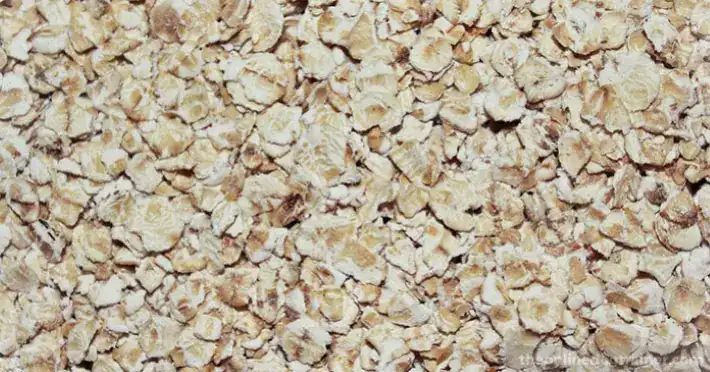
If your dog has dry, flaky skin, an easy and inexpensive remedy is to give him an oatmeal bath.
Believe it or not, there’s actually some science behind why oatmeal relieves itch.
Oatmeal contains naturally occurring chemicals called avenanthramides and phenols. These natural chemicals have anti-inflammatory properties which reduce swelling and itch.
There are two ways you can create an oatmeal bath for your pup.
The first method is to purchase unflavored rolled oats from your grocery store.
This is a very cheap way to buy the supplies to make several oatmeal baths. You can usually purchase a large can of oatmeal for just a few dollars.
Once you have the oats, place a cup or so in a warm bath, mix the water up, and then bathe your pup.
If you don’t want to deal with the mess of cleaning up after an oatmeal bath, the second method is to purchase oatmeal-based dog shampoo.
This type of shampoo is often more expensive, but delivers the same benefits with a lot less cleanup.
Interested in learning how to make your own oatmeal shampoo for your dog?
Outdoor Winter Skin and Paw Care for Dogs
Just like our winter boots protect our feet, dog boots do the same for our furry friends. They shield paws from harsh winter elements like salt, chemicals, snow, ice, sand, and anything that can get lodged between their toes.
Getting Your Dog Used to Boots (and Alternatives)
While boots are the best protection, dogs may need time to get used to them. Start by letting your dog wear them indoors, rewarding them with treats as they walk around. This positive association will help them connect boots with good things. Make sure the boots fit properly – snug enough to stay on during walks and runs, but not so tight that they restrict movement.
Whether your dog wears boots or not, always wipe their paws thoroughly with a towel after outdoor walks, especially if they’ve been on sidewalks or paths treated with salt or de-icing chemicals. These chemicals can be harmful if licked and can damage paw pads. For extra cleaning, you can even dip their paws in warm water before towel-drying. For quick potty breaks, consider shoveling a path in your yard and covering it with straw. This provides a cleaner surface for your dog’s paws and makes cleanup easier. Shoveling a path is a great way to minimize paw contact with harsh elements.
Essential Winter Paw Care
Regardless of your chosen method, always keep your dog’s paws clean, removing ice, salt, chemicals, and mud promptly. When the weather gets too cold for long walks, indoor brain games can keep your dog entertained and burn off energy.
THIS PROGRAM WILL TRANSFORM YOUR PUPPY IN LESS THAN A WEEKDisclaimer: Ensuring Your Dog’s Safety This Winter Season
Before I wrap things up, I think it’s important to mention that winter-related skin issues can become serious health problems.
If your dog has hot spots, cracking skin, or other cold-weather-related health issues, it’s important that you take him to see the vet.
Your dog’s vet will be able to prescribe the right course of treatment to ensure your pup’s skin issues don’t get infected or cause worse health problems.
I hope you and your pup have a safe and wonderful winter season.
Cheers,

~Doggy Dan 🙂